Meet Dr. Marion Powell

The Canadian government strives to ensure that everyone has access to sexual and reproductive health services. In Canada, we have the right to make informed decisions about our own bodies. Yet, this has not always been the case.

Not too long ago, many of the health services and reproductive rights that we have today did not exist. It is thanks to a small group of courageous individuals that sexual and reproductive health and rights (SRHR) have advanced in Canada.
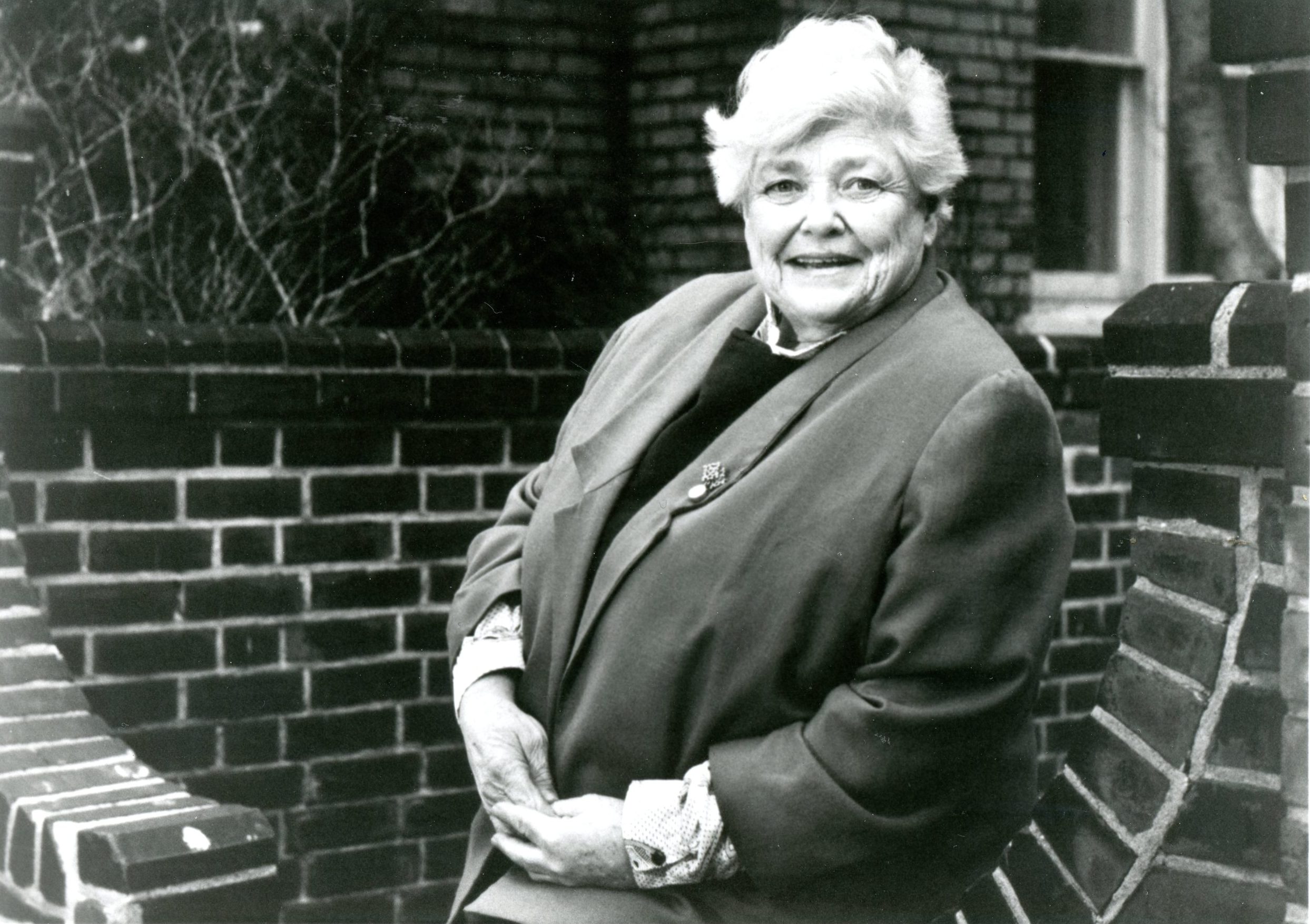

Image details — An older woman with short, light-colored hair, smiling at the camera. She is wearing a dark jacket over a collared shirt. She is positioned in front of a brick wall that forms a curved bench-like structure.
Portrait of Dr. Marion Powell, 1988.
Image details — A collection of vintage birth control products arranged neatly on a flat surface. The items include pill packets, contraceptive sponges, condoms, product packaging with diverse designs, and a nametag that reads Dr. Marion Powell. Colors range from bright red, pink, and yellow to understated off-white. Each product features labeling or branding text.
A selection of birth control from the Dr. Marion Powell fonds.

One of the most vocal and respected SRHR advocates in the 20th century was Dr. Marion Powell.

Dr. Powell was seen as an unlikely leader of in Canadian family planning movement in the 1960s. She was a mother, the wife of a minister, and trained in public health later in life. Over the next three decades, Dr. Powell worked to ensure access to safe, accurate, and judgment-free sexual and reproductive health services. Her compassion and determination earned her the trust and respect of a generation of young Canadians.

Dr. Powell was a physician, medical researcher, and leader in women’s health. Whether she was helping to establish birth control clinics or advocating for sex education in the classroom, Dr. Powell always pushed the envelope. She challenged traditional views and societal norms of sex and sexuality. Her work became instrumental in changing public attitudes and government policy in Canada.

We invite you to explore Dr. Marion Powell’s contributions to the history of SRHR in Canada.
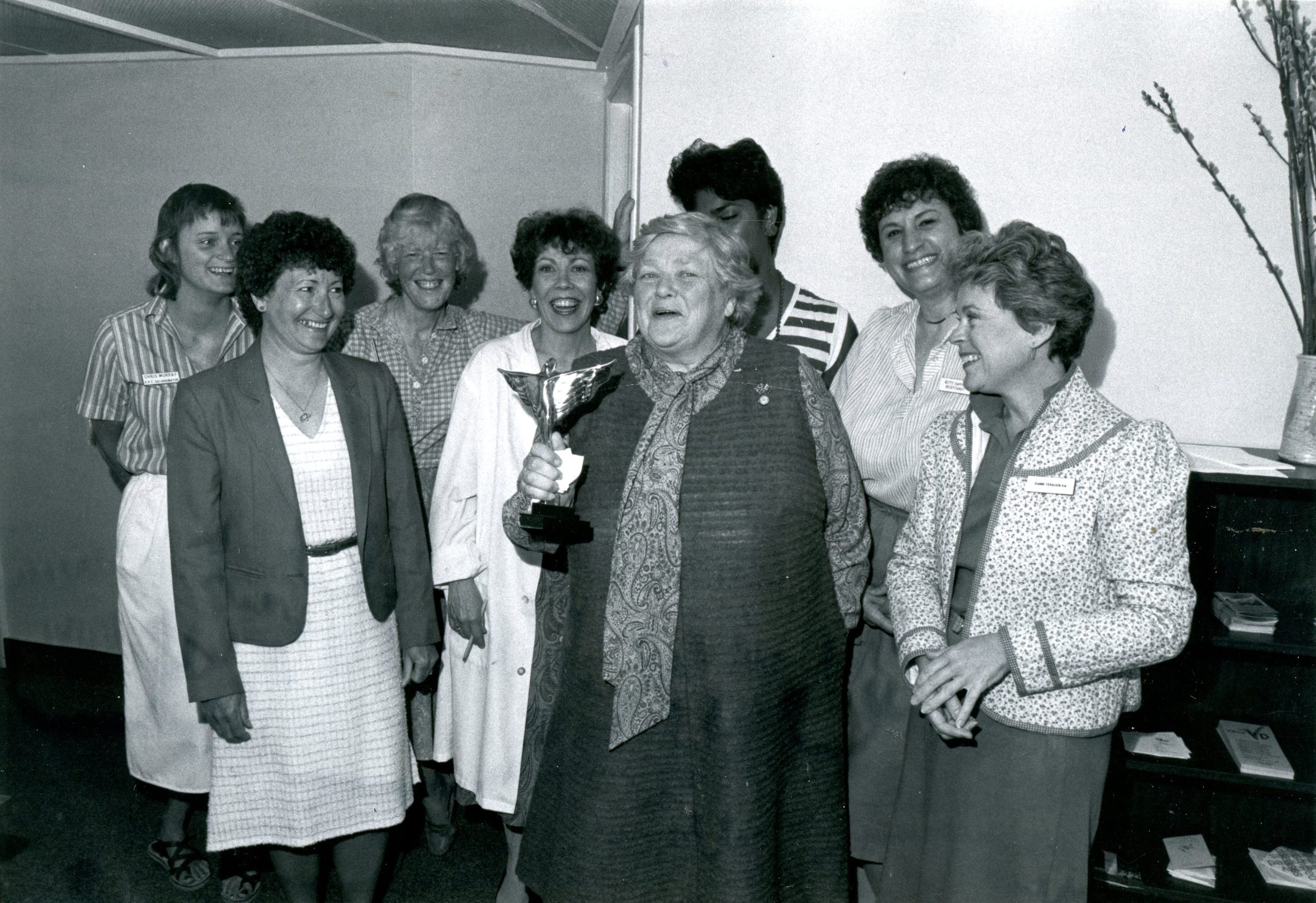
Image details — A group of eight women gathered in a room. The central figure, an elderly woman, is holding a large trophy and wearing a patterned scarf and dress.
The Bay Centre staff celebrate with Dr. Marion Powell, May 1984.

What is Birth Control?

Birth control is the use of methods or devices to prevent pregnancy. It is also known as contraception.

What is Contraception?

Contraception is the use of methods or devices to prevent pregnancy. It is commonly known as birth control.

What is Family Planning?

Family planning is the voluntary actions of a person to make informed decisions about the number of children they want to have, when they want to have children, and if they want children at all.

What is SRHR?

Sexual and reproductive health and rights (SRHR) refers to a wide range of services and human rights related to sexual health, reproductive health, sexuality and gender. SRHR can relate to access to birth control, abortion, maternal and prenatal health, sexually transmitted disease prevention and treatment, sex education, and transition-related care.

Historical Context Statement

Some of the terms and expressions used in this exhibit reflect the language of their time. They appear here in their original form to honour historical accuracy and lived experiences.