There has still been no announcement, so I stand here as a crusader in a cause where the battle is certainly won….

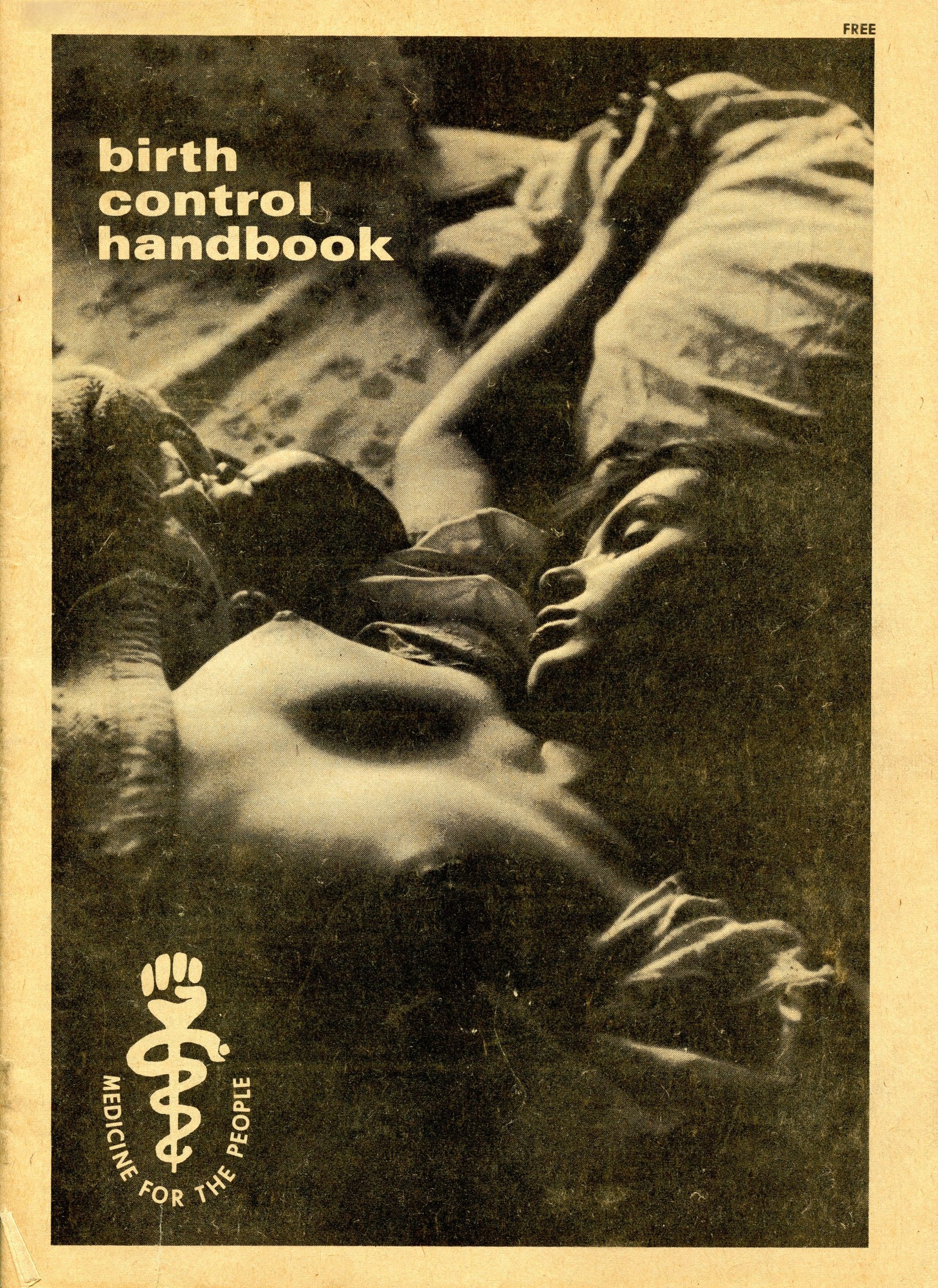
Canada was experiencing great social and political change during the 1960s. Young people were rejecting traditional ideals and norms. It was the time of the women’s movement and the sexual revolution. The availability of new and more effective contraceptive methods, such as the Pill, helped to usher in this new era.
Dr. Marion Powell continued her work to improve access to sexual and reproductive health services. Referring to herself as “an illegal crusader,” her views on the legalization of birth control, family planning clinics, and sex education gained national attention.
As explained in the Globe and Mail,
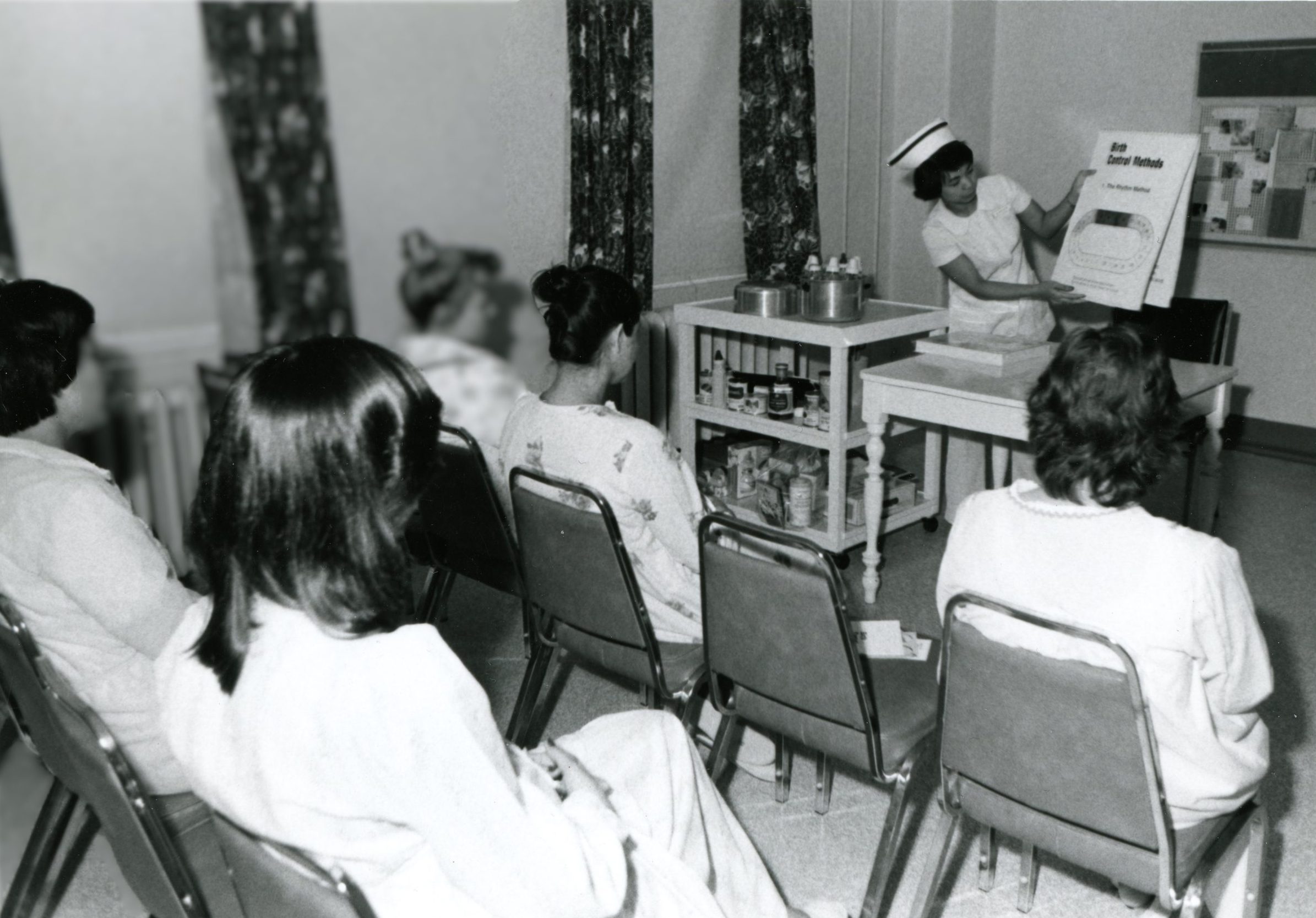
The 1960s saw the genesis of liberal ways of thinking about sex and love. With that era came the usual suspects seen to advocate this new credo. While no one would have raised an eyebrow at hippies passing around condoms, few would have expected a mother of three and wife of a preacher to assume the mantle of ‘sex doctor’.
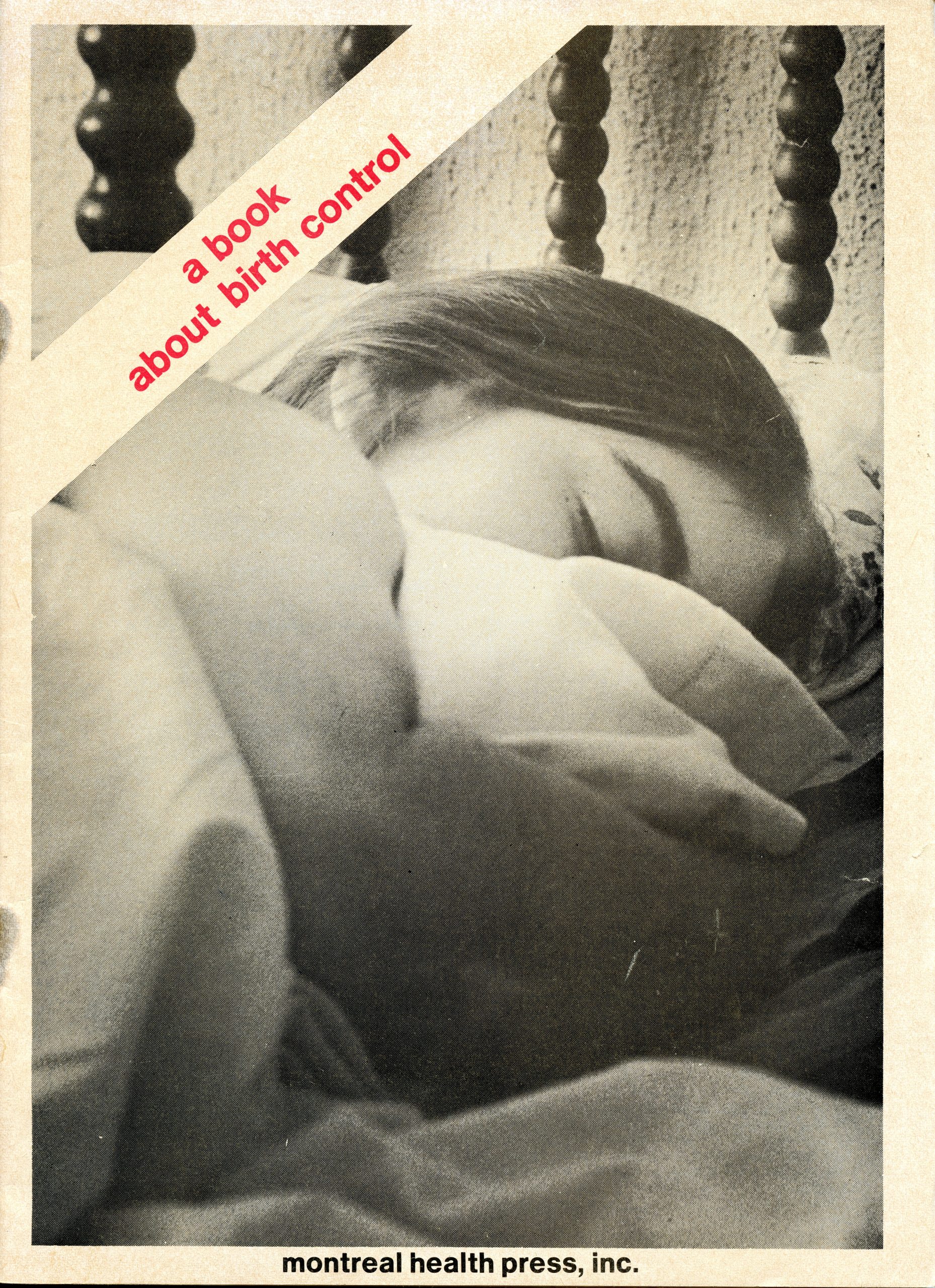
A Gallup poll taken in 1952 found that 48% of Canadians approved of birth control use. Later, the same poll showed 55% were in favour in 1961 and 67% in 1965.
The Canadian Medical Association asked the government to repeal the birth control law in June 1964. The attitudes of Canadians towards birth control were changing.
In December 1967, Canadian Minister of Justice Pierre Trudeau introduced Bill C-195. He wanted to bring “the laws of the land up to contemporary society”. A revised bill would eventually pass to decriminalize contraception and homosexuality, as well as change abortion laws. With the enacting of the Criminal Law Amendment Act, 1968–1969, birth control finally became legal in Canada on July 1, 1969.