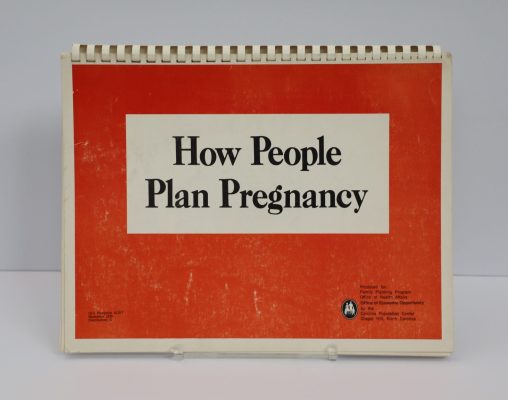
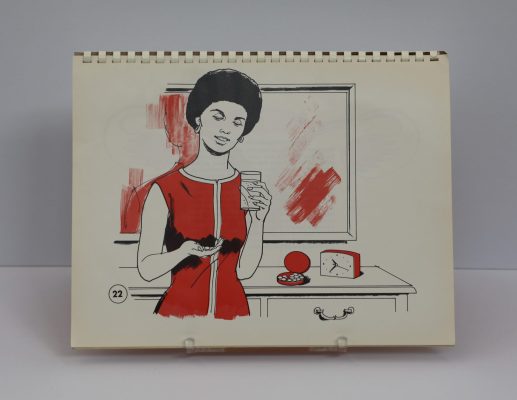
If they’re old enough to get pregnant, they’re old enough to know how not to.
The teaching of sexual health education to students in the classroom has been discussed and debated in Canada for over a century. Sex education policy has often been shaped by the social and political climate of the time.
The earliest sex education programs in public schools date back to the early 1900s. These programs were often organized by social reformers. Many were associated with the Church and its teachings. Most just offered cautionary tales to young people.
Some school boards added lessons on the prevention of sexually transmitted diseases after World War II. A few offered limited sex education by the 1960s.
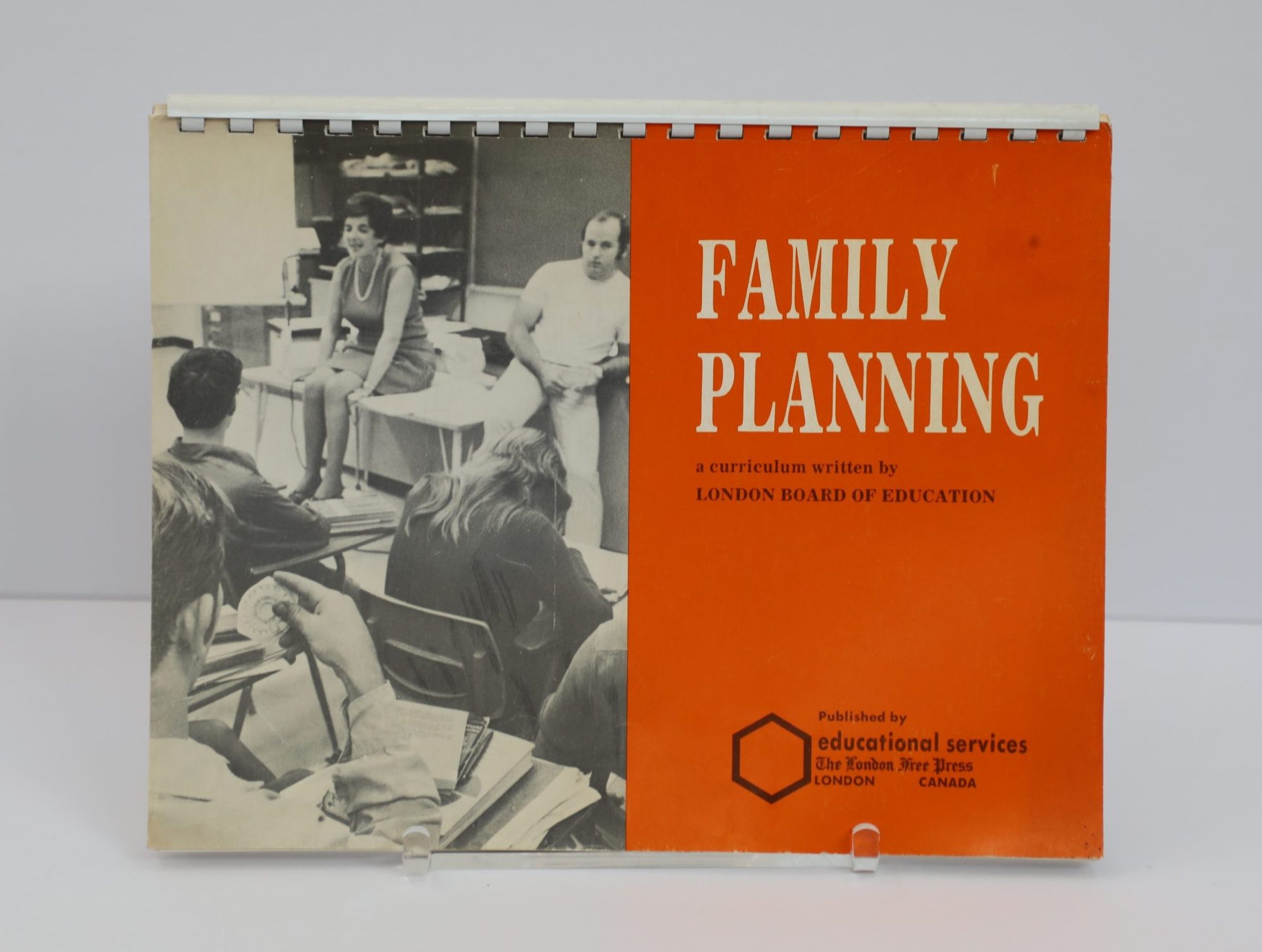

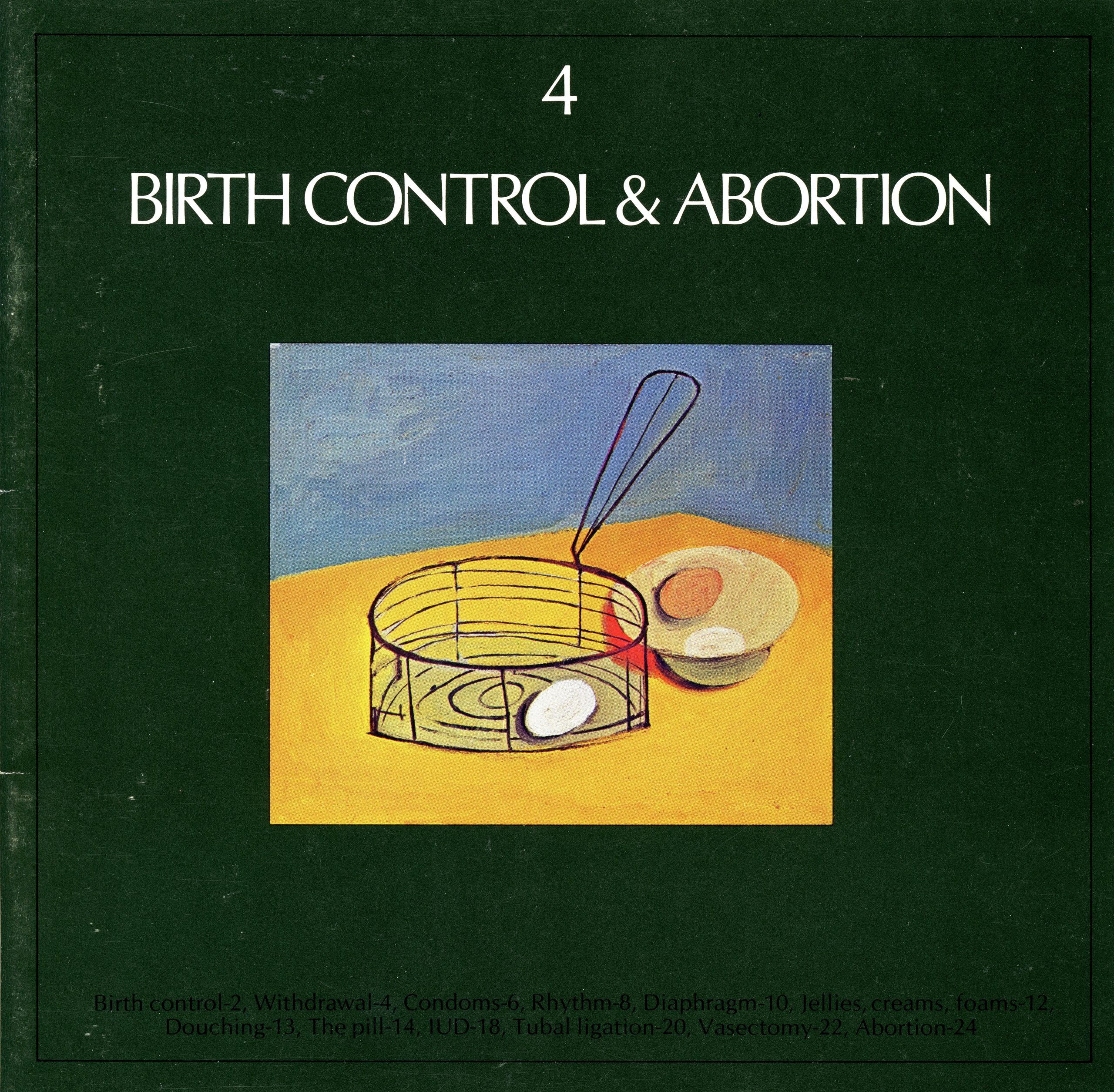
Dr. Marion Powell believed that few young people were taught about sex at home. Therefore, teenagers did not have enough knowledge to make informed choices about their reproductive health. She argued that the “teaching of family planning belongs in the school”. Sex education should begin in early adolescence and must include information about birth control.
She believed that effective sex education programs could combat many of society’s problems. For example, she was very concerned about teenage pregnancy. It had become one of the main reasons for young women to drop out of school. As she explained, “we’ve sold our youth on sexual behavior. I don’t know why we can’t sell them on contraception”.
Dr. Powell became a vocal advocate for sex education in the classroom. While in Scarborough, she worked in high schools as a sex education consultant. She also helped its Board of Education develop a sex education curriculum. Her program became a model for other school boards across Canada.
In 1971, she helped the Ministry of Education develop Ontario’s health education curriculum. She also joined the Ontario Medical Association’s Advisory Council on Health Education. She offered advice to teachers on the instruction of sex education in the classroom.