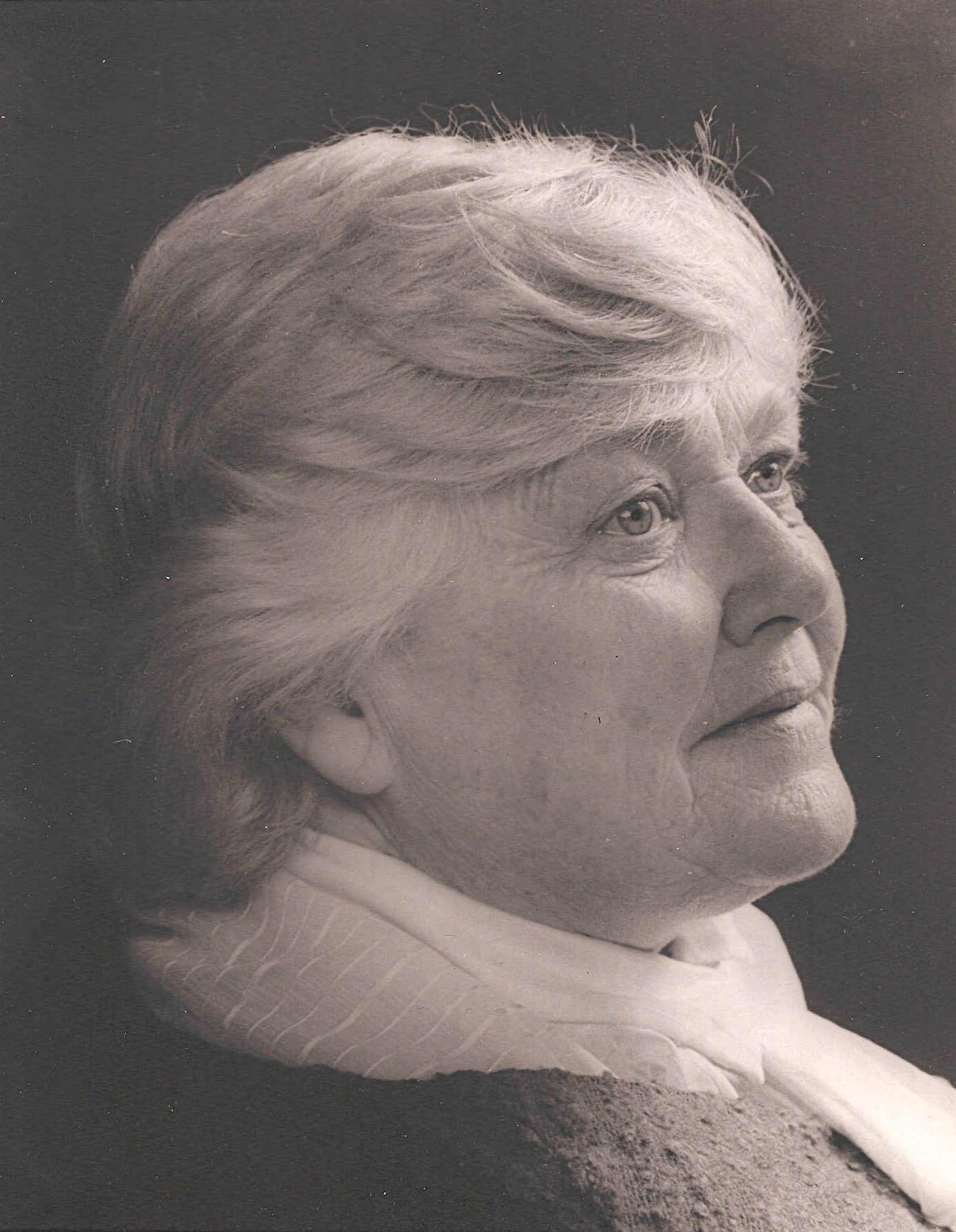
Ladies and gentlemen, today I’m going to give you an illegal lecture – and if I go to jail, you are all coming with me.
Before the late 1950s, Canadian medical schools did not offer formal training in family planning. A decade later, things were slowly changing. A study conducted in 1966 found that almost all medical schools in Canada taught some form of family planning. For most medical students, however, this training consisted of a one-hour lecture on birth control methods.
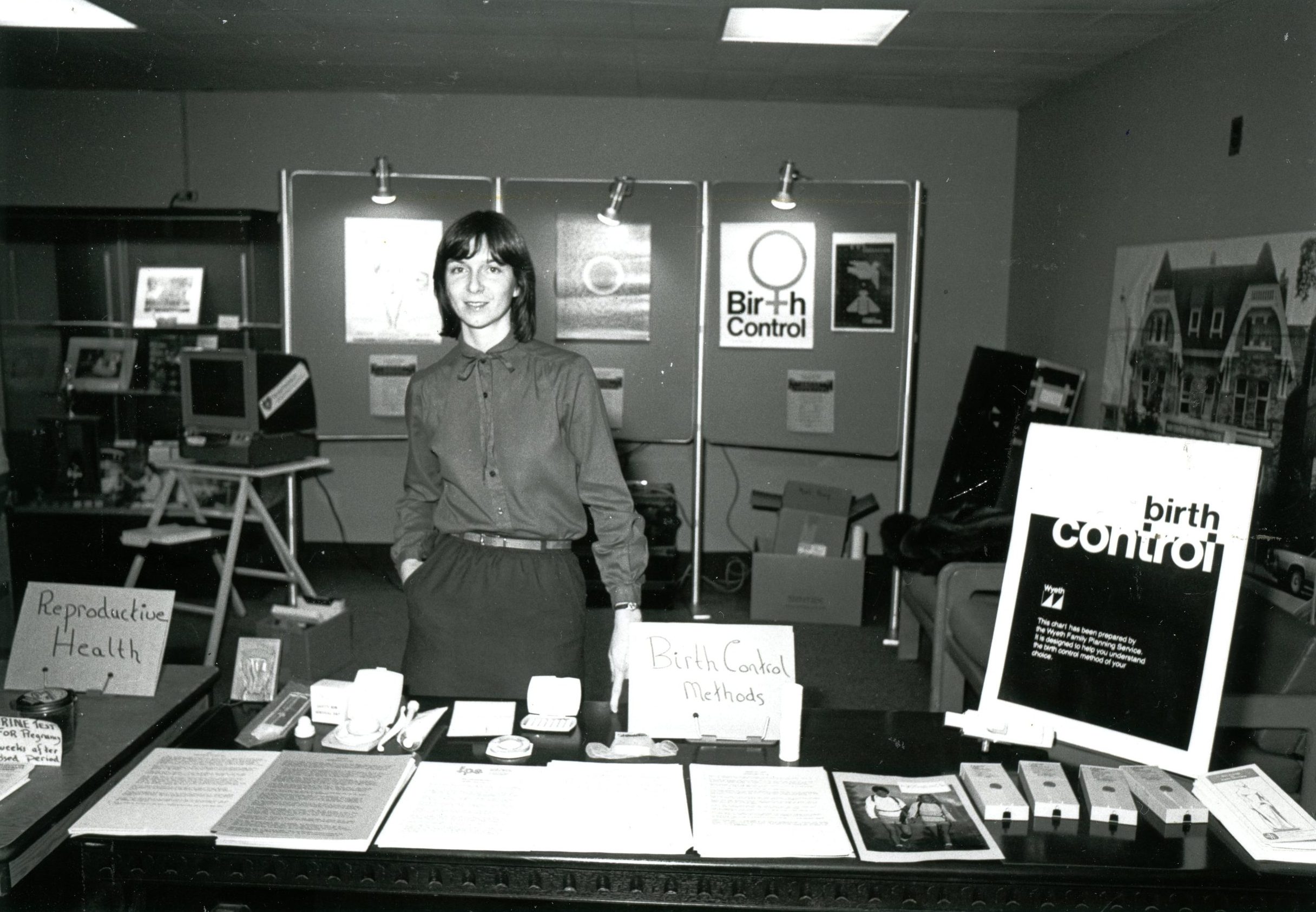
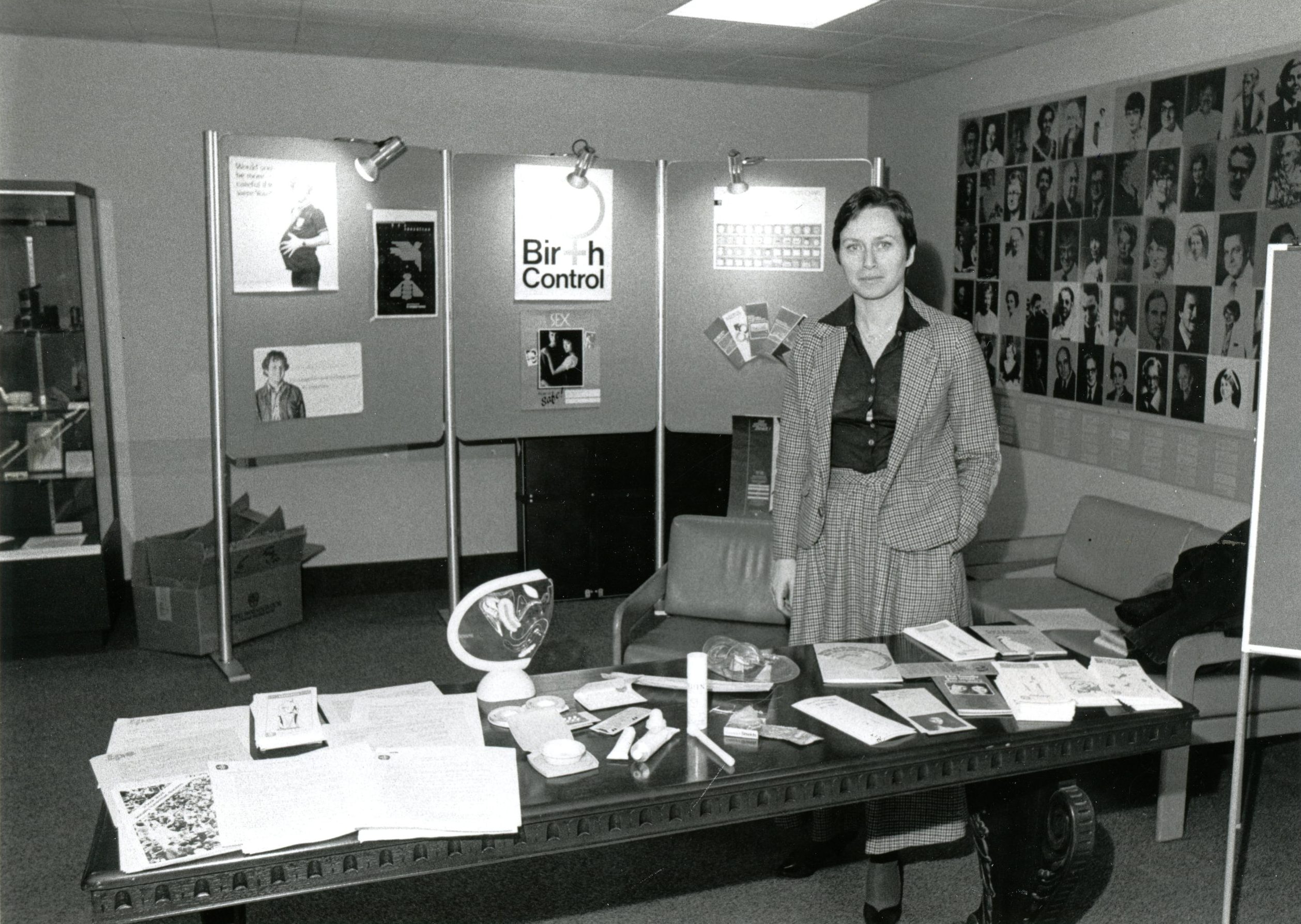
Family planning was generally not taught in Canadian nursing schools before 1969. Public health nurses who wanted to train in this field had to go to family planning clinics in the United States.
Why was there so little training in family planning in Canada?
Dr. Marion Powell blamed Canada’s Criminal Code for decades of confusion and hesitation. As soon as birth control was legalized, Dr. Powell pushed for more training for medical and public health professionals.
In 1972, the University of Toronto launched a Population Studies Unit within its School of Public Health. It was the first program of its kind in Canada to focus on the teaching and research of family planning. Dr. Powell was naturally appointed as its first head.
As she explained, it was now her job to “teach family planning to student doctors, nurses, pharmacists, social workers, teachers, and others who can, in turn, teach the people in their community”. Dr. Powell was credited with helping to train the next generation of medical professionals in the field of sexual and reproductive health in Canada.