

How come we can put a man on the moon and fill the universe with Star Wars bric a brac. Yet we’re still fooling around with unreliable, unsafe birth control devices that actually often give women infections or even kill them?
Dr. Marion Powell was quick to respond to Anderson. She explained that once the Pill was available in the 1960s, people just assumed that the birth control issue was solved.
But it wasn’t.
She believed that women did not just deserve birth control – they deserved better, safer, and more effective birth control. For her, this would only be achieved through research.
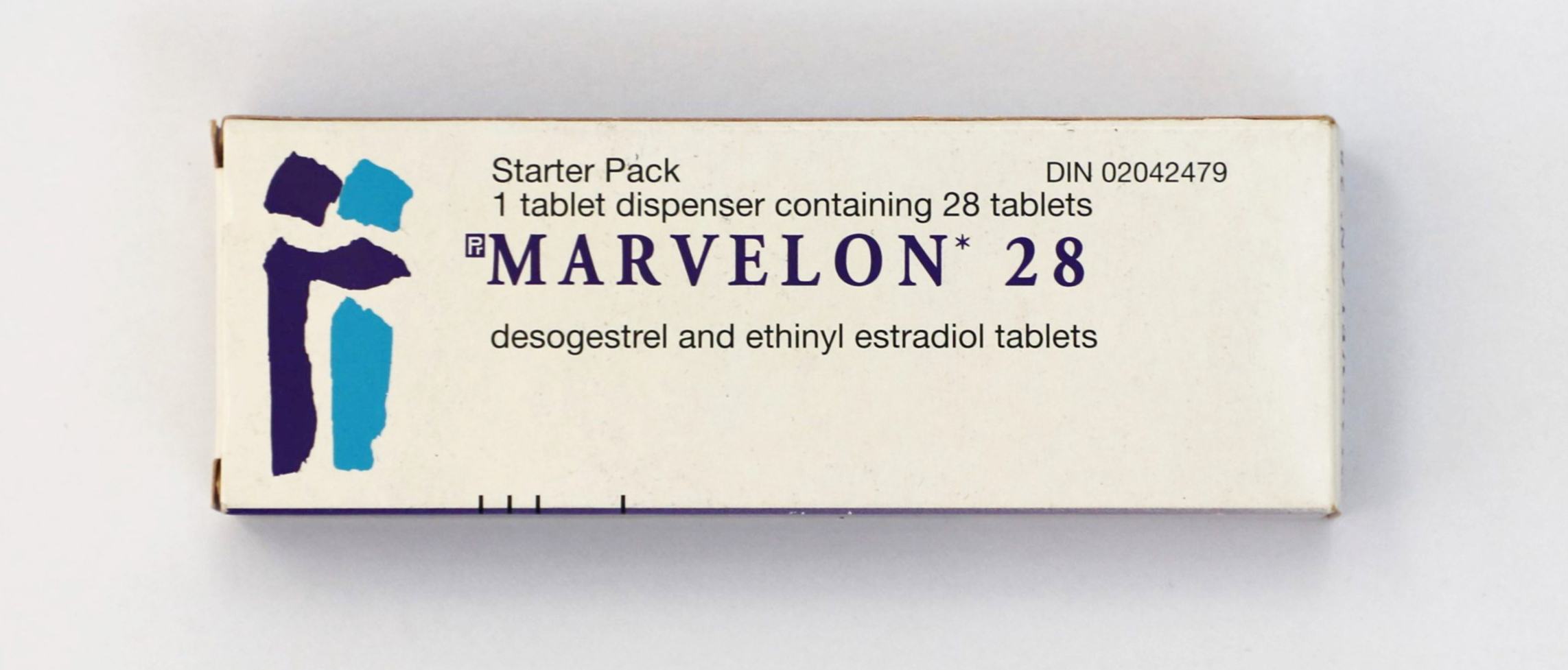
Research in reproductive health and technologies was always important to Dr. Powell. Beginning in the 1960s, she conducted clinical studies at the Scarborough Family Planning Clinic. These studies helped to determine if new oral contraceptives were safe and effective.
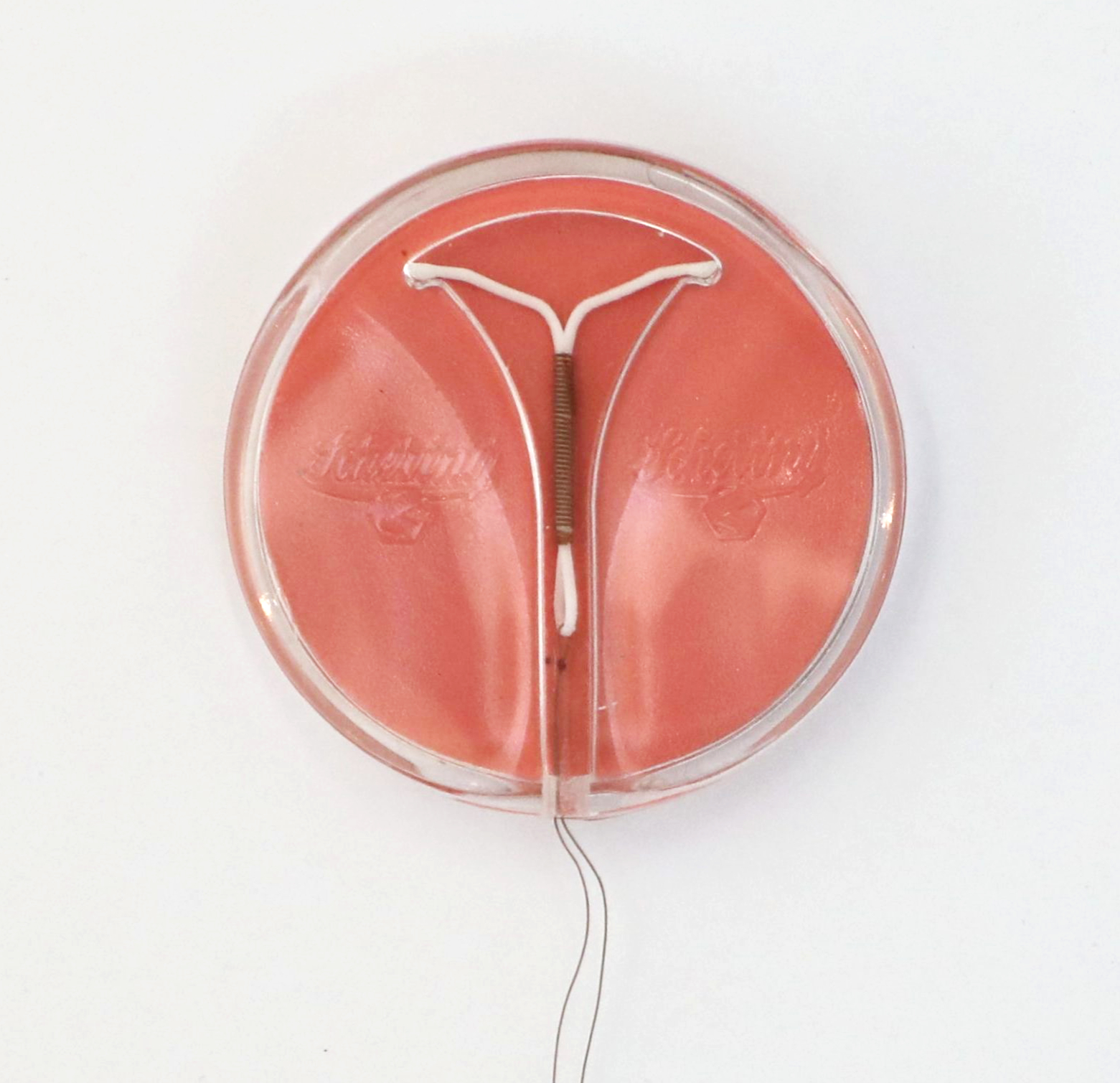
At the Bay Centre for Birth Control, Dr. Powell’s research expanded. She examined topics like family planning, nutrition, and the attitudes and sexual behavior of teenagers. There, she also conducted numerous clinical studies. She focused on traditional methods of birth control, as well as new methods on the market.

Dr. Powell dedicated over three decades of her career to research. Her passion and commitment to research helped to advance reproductive health in Canada. As she explained “I sort of consider myself the grandmother of the Pill, or the mother of the Canadian version of it”.