We had joined up as Canadian, in the Canadian Army. We were not in a position to bargain. We thought, after the war, time enough to ask.
Roger’s Early Life
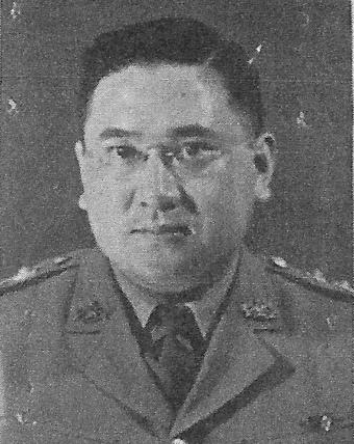
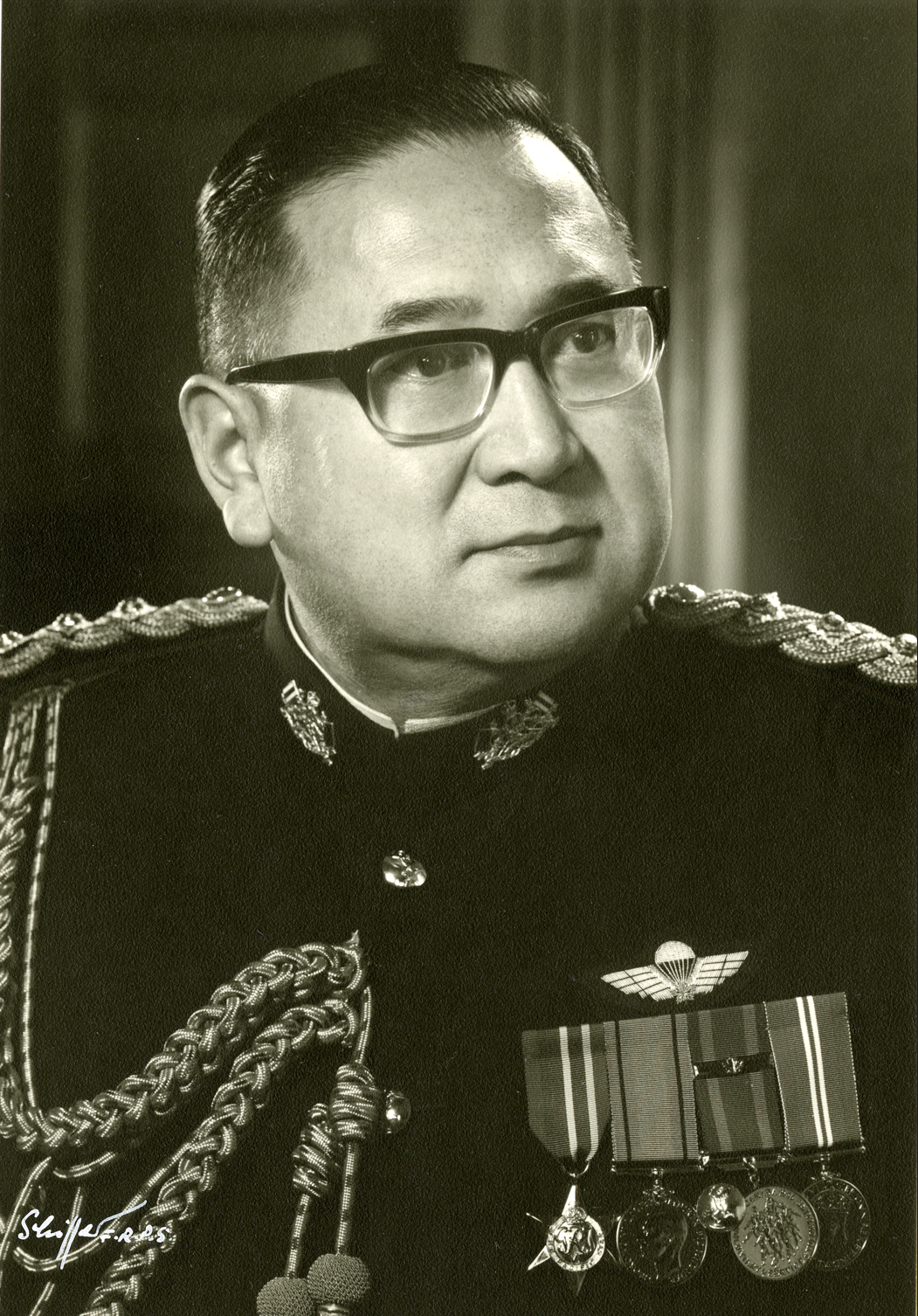
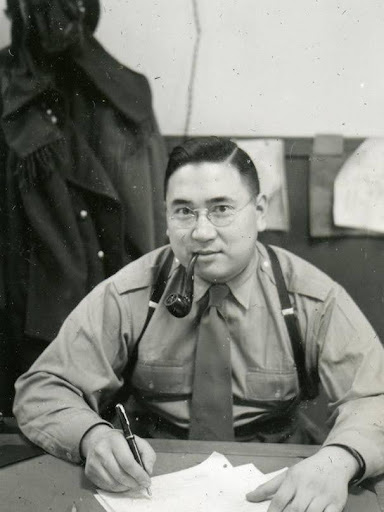
Capt. Roger Kee Cheng was a third generation Chinese Canadian. Born in the B.C. Cariboo in the midst of the Great War, he was the eldest of five. His grandparents, Won and Sing-Choy Cheng, were merchants in Lillooet. Roger grew up in Lillooet and Vancouver. He was 5’10” and 200 lbs, a natural leader with excellent hand-eye coordination and a gift for studying. He was good with handling small watercraft thanks to his love of fishing. These characteristics would serve him well during the war. He attended public school in Lillooet and completed first year Arts at the University of British Columbia at sixteen. He went on to study electrical engineering at McGill University in Montreal, graduating at 23. After graduation, Roger found work as an accountant but was determined to enlist, taking the year long Officers Training course at UBC.
Before SOE
Roger Cheng was the first Chinese Canadian to enlist as a commissioned officer. Second lieutenant Cheng joined the Royal Canadian Signal Corp in Oct 1941, and proceeded to advanced signals training in Brockville, ON, graduating in Jan 1942. In early 1944, 2nd Lt. Cheng was instructed to meet a man who would change his life – Major Kendall – in a Toronto hotel room.
Kendall and Cheng
Maj. Francis “Mike” Kendall was in Canada to recruit candidates for a military operation as unlikely as it was secretive: Operation Oblivion, to be deployed in Hong Kong. SOE needed Chinese speaking wireless transmitter operators who were also loyal to the British crown and –ignorant of the decades of discrimination – thought all native-born Canadian Chinese would instantly volunteer. Kendall found recruiting harder than he’d anticipated, but 2nd Lt. Cheng agreed immediately. Cheng was looking for a way to put what he’d learned to good use.
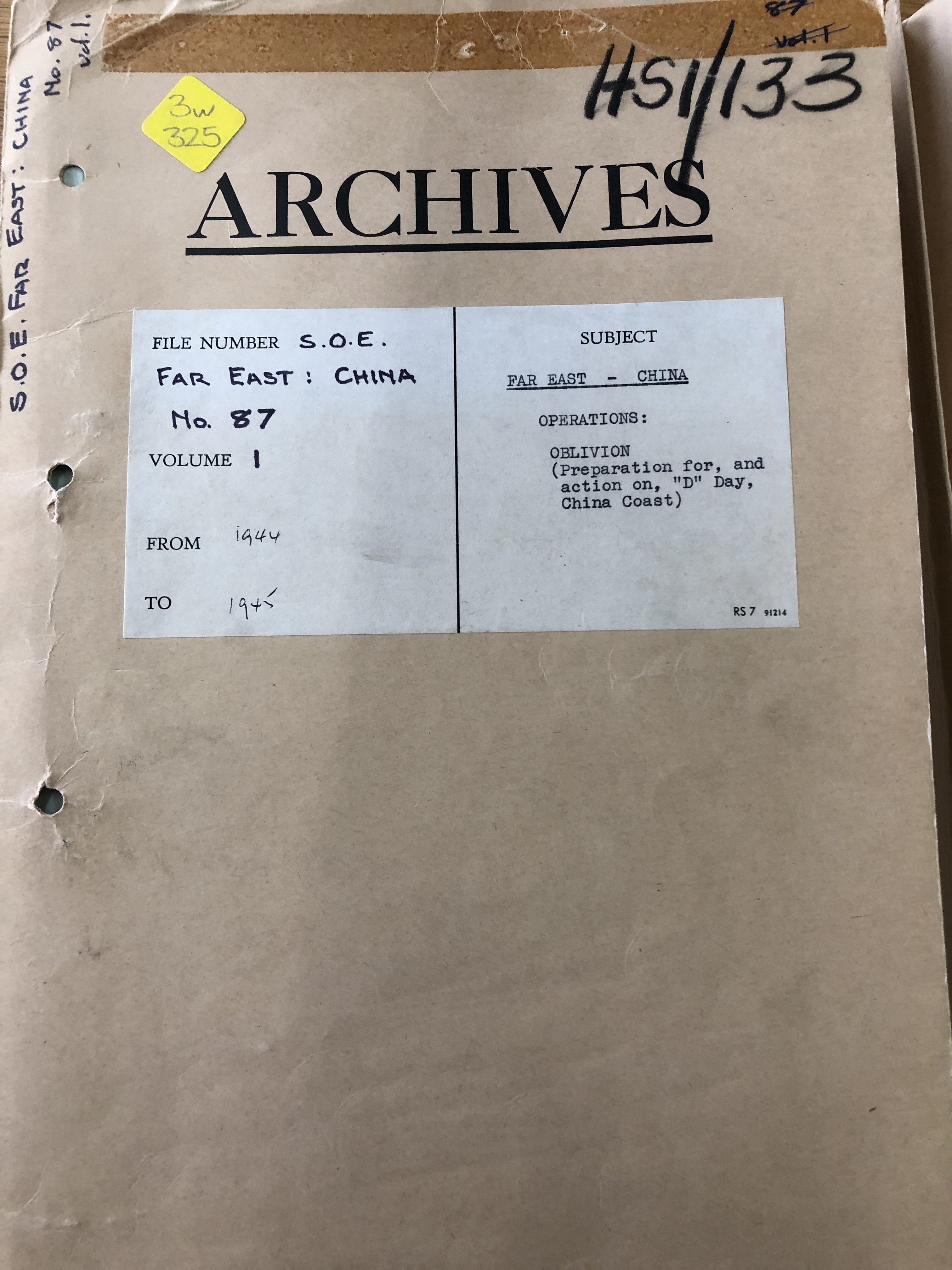
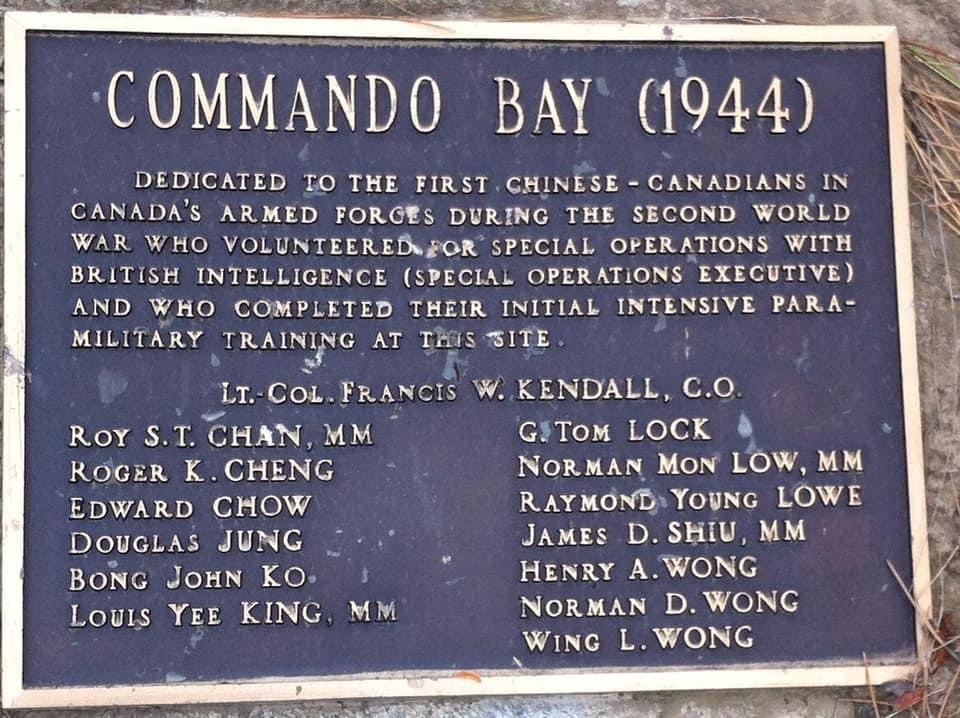
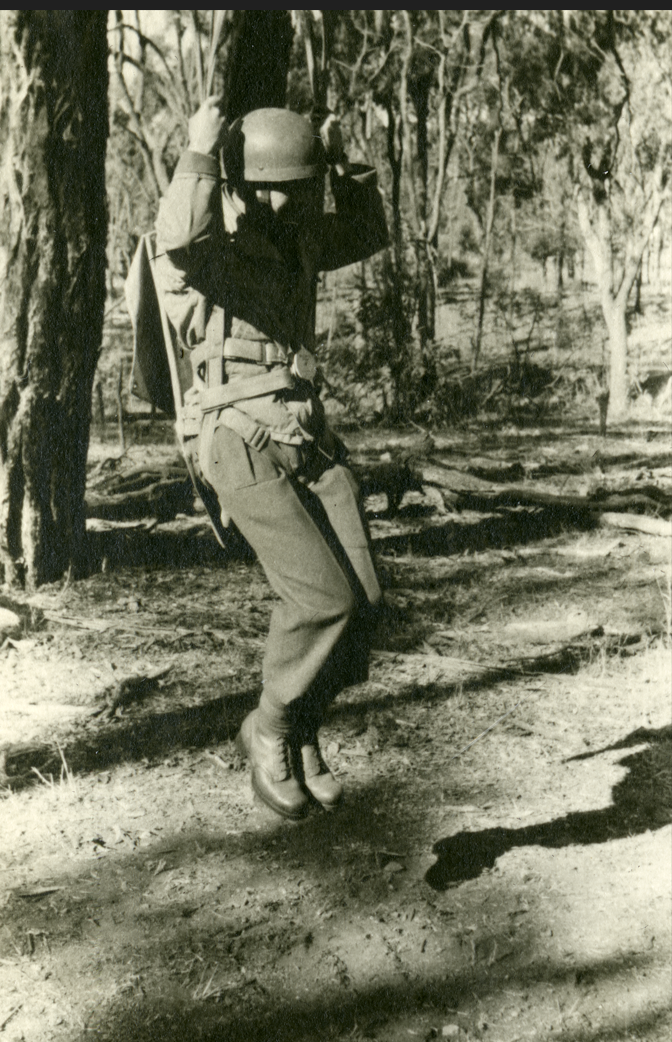
Within weeks of meeting Kendall, Cheng was travelling to Penticton, in the BC Okanagan-Similkameen regional district. He said it was so secretive, he didn’t even have written orders – just a post office box number for his mail. Soon, the other twelve arrived to what later became known as Commando Bay: John Bong, Roy Chan, Eddie Chow, Doug Jung, Louey King, Tommy Lock, Norman Low, Raymond Lowe, Jimmy Shiu, Hank Wong, Norman Wong, and Wing Wong. The group learned demolitions, paramilitary, sabotage, and wireless transmitter training.
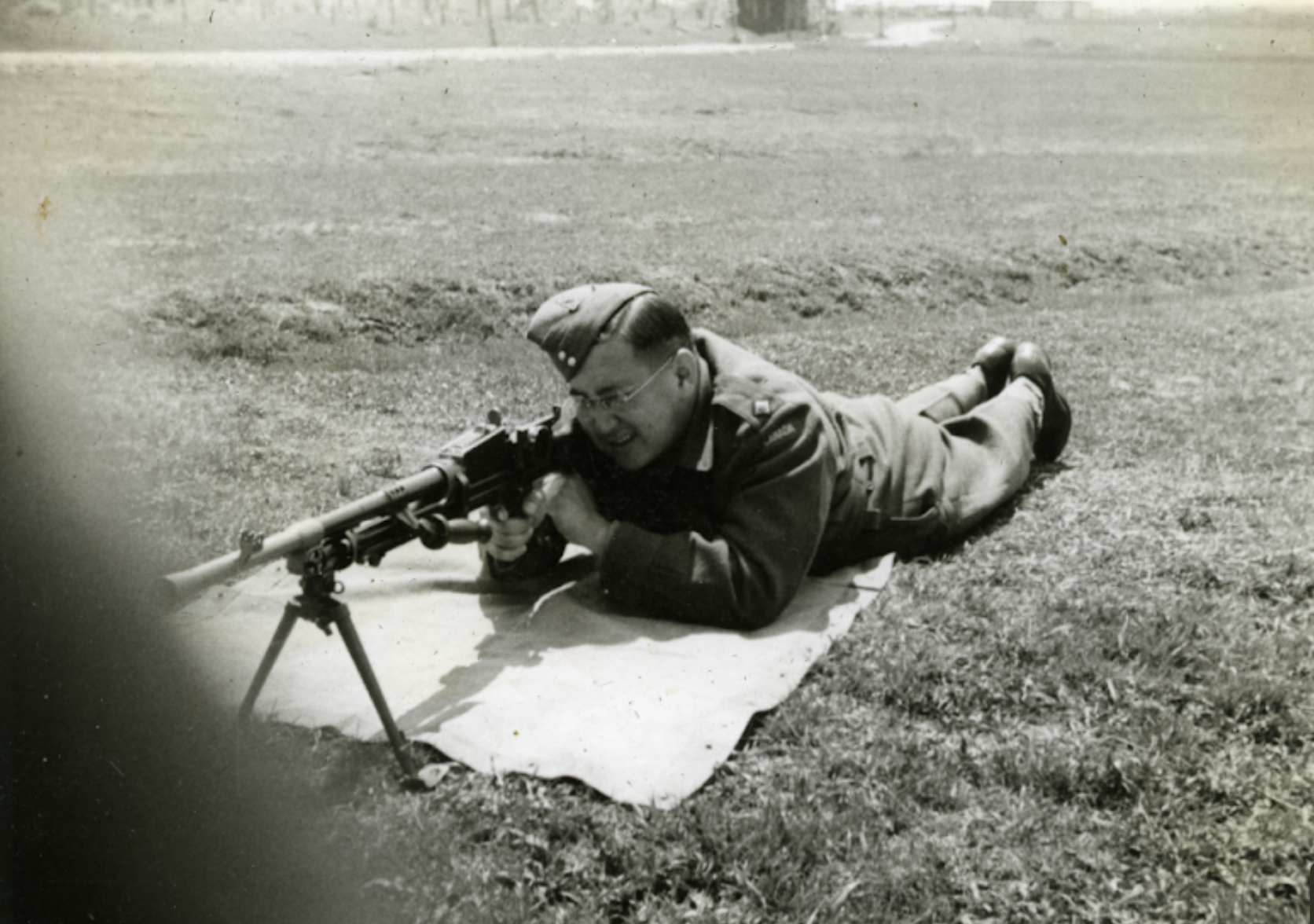
Cheng remembered the arms and munitions, “…small weapons, every type of weapon, up to a two inch mortar, Bren gun, every type of automatic weapon including Berettas you’d never seen in the Canadian army, Lugers, Walthers and this kind of thing.”
They trained nine hour per day: learned to swim without making waves, hike stealthily, and kill silently. For many, it was the first time they’d taken swimming lessons. Maj. Hugh Legg taught basic ciphers and wireless transmitter coding. The group was split into two, one focusing on wireless training, the other, including Cheng, on fieldcraft.
Capt. Cheng, now second in command of the Operation Oblivion group and Signals Officer, along with his W/T operators (Low, Lowe, and Shiu), took a month of advanced communications training with SOE India (aka Force 136) at Meerut, near Delhi, in Sep 1944. They could accurately transmit a minimum of fifteen words/minute, and also knew Morse and semaphore. They rejoined their Op. Oblivion group in Australia for yet more training in Japanese intelligence and jungle work, including medical rescue. They were ready for Hong Kong.
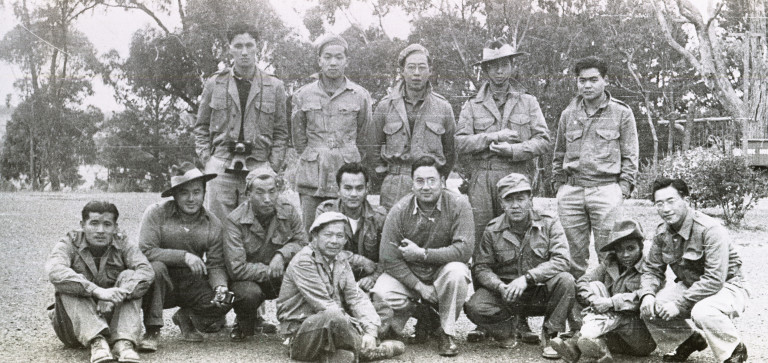
In Hong Kong, their mission was to gather intelligence and cripple Japanese assets: ships and shipbuilding, sea transport lanes and shipping; and destroy the tank factory, aerodrome, and runways. In addition, they were to contact the Communist forces with the purpose of enlisting them against the Japanese-led Axis forces. They were to travel from Australia to the beach at Fung Head, Hong Kong by small submarine, then sail under cover of darkness in 2×10 man rubber boats equipped with silenced outboard motors.
However, it was not to be. The U.S. Army controlled Allied operations in Asia and objected to training Communist forces. They refused to allow the Australians to deploy a submarine to transport the team. Op. Oblivion was cancelled.
For some of the former Op. Oblivion men, the next chapter would be Borneo.
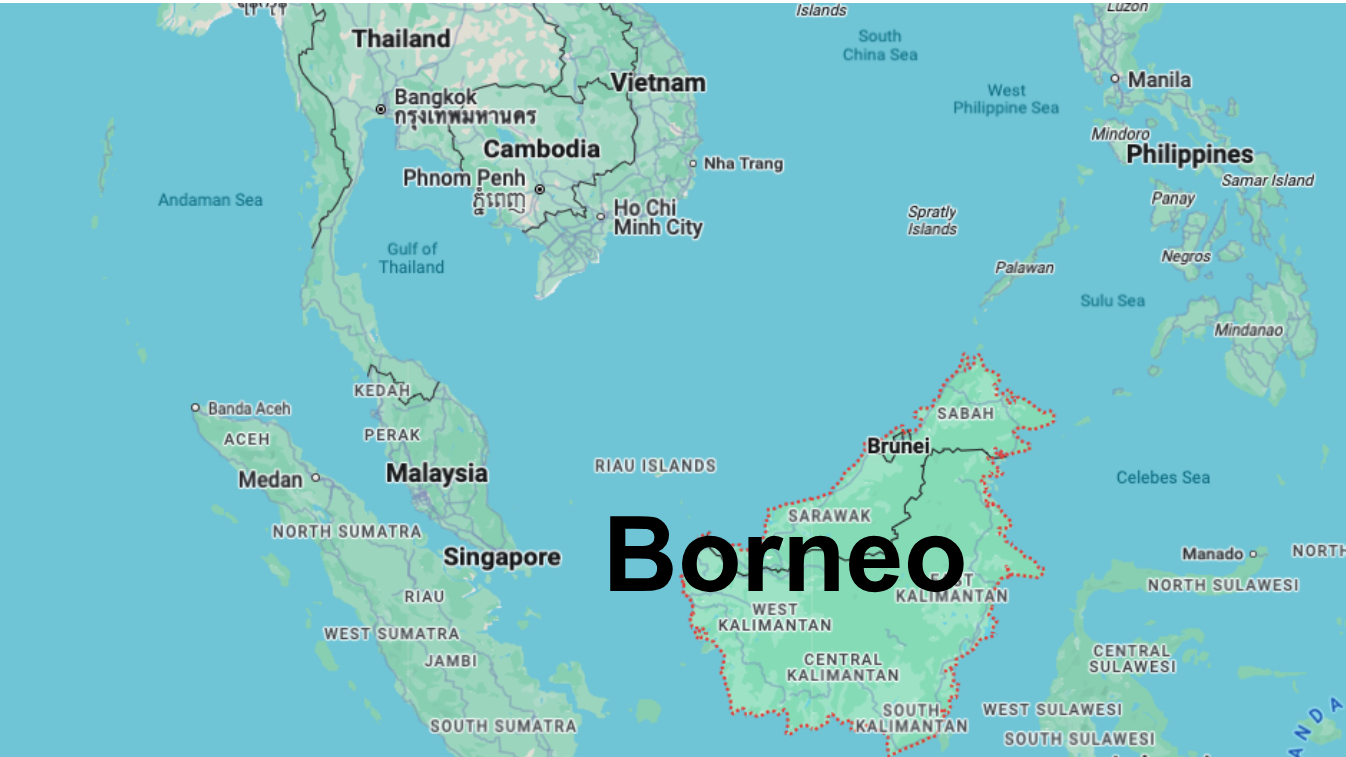
Japanese forces had held Borneo since 1941. Borneo, oil rich and ideally situated to control shipping for S.E. Asia and Malaysia, was one of Japan’s first key conquests. The 37th Japanese Army, a naval garrison, and other forces constituted thirty thousand Japanese troops. The average August daytime high in Borneo was 32º C / 89.6º F, with 208 mm / 8.2” of rain a month. The most prevalent diseases were malaria and dengue fever.
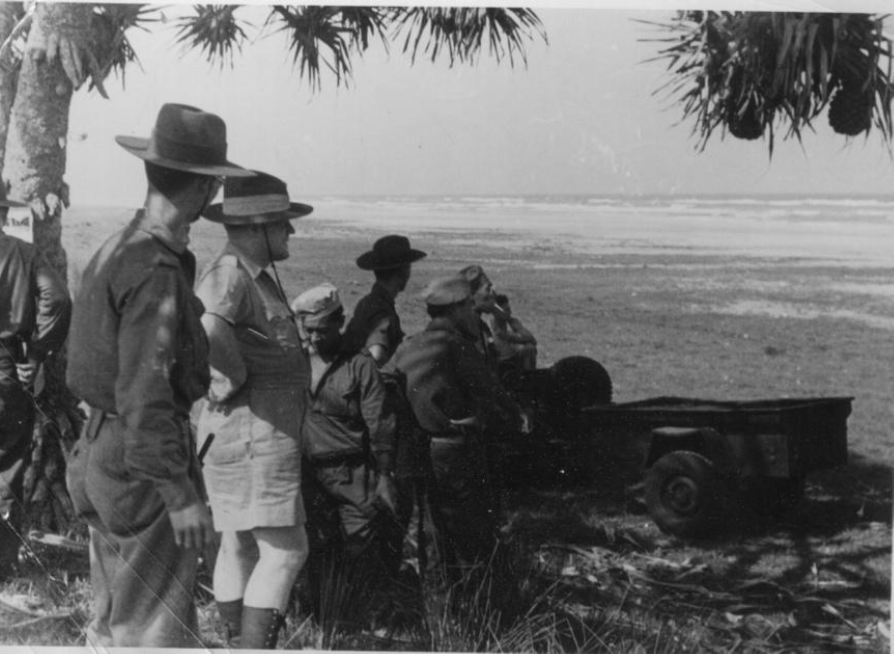
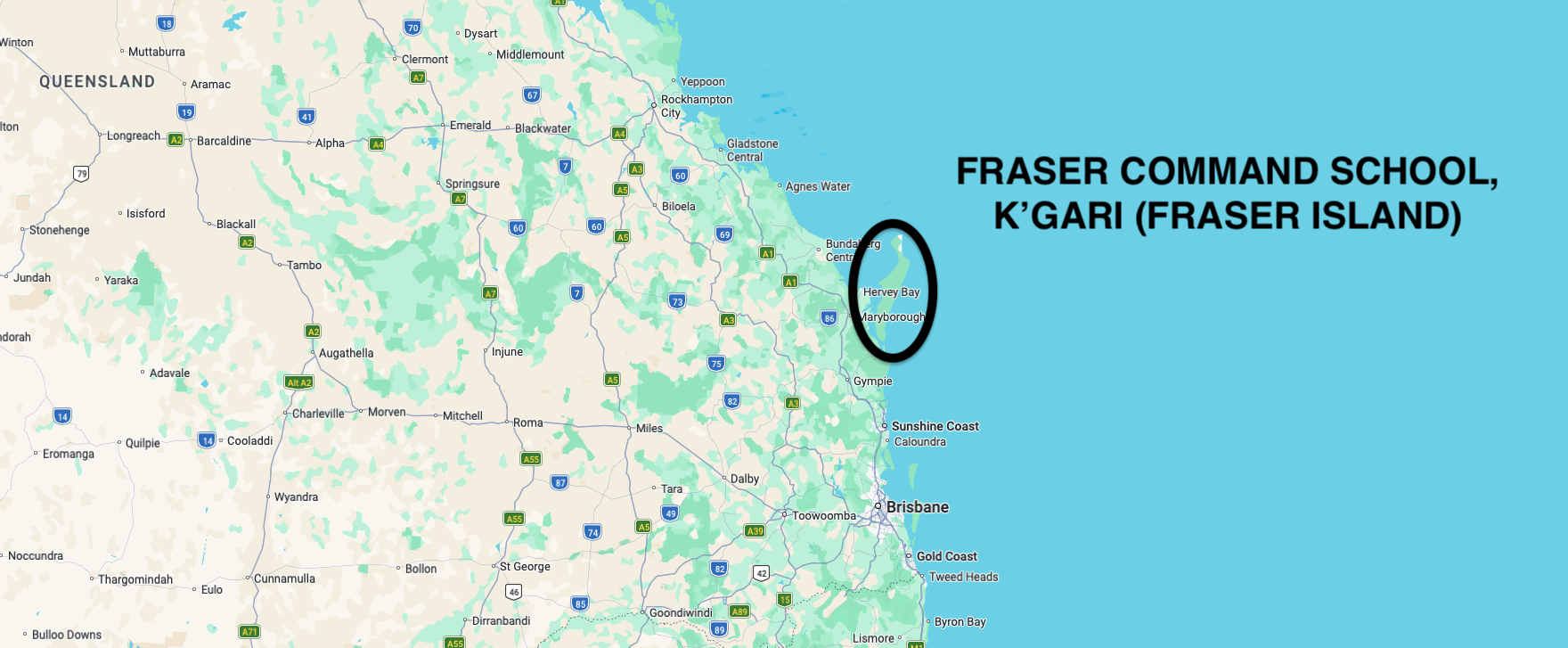
In June, 1945, SOE loaned Capt. Cheng and four sergeants (Shiu, Chan, Low, and King) to Australia (SRD), and SRD eventually allocated them to Operation Hippo at Kuching, Borneo. They trained at the Fraser Commando School, QLD.
The plans for Hippo had changed and the new goal in mid-1945 was to gather all possible intelligence about enemy strength, the POW camps and guards, and the estimated two thousand POWs, while also doing nothing to further endanger the prisoners.
SOE said the former Op. Oblivion men’s knowledge of Chinese would be invaluable, and W/T would be the means of communications. Capt. Cheng and a team of ten would be working in partnership with the native Dayak peoples. Cheng, in the lead party, arrived by Catalina flying boat, 25 miles upriver. The rest soon joined him, and the team contacted the Dayak for weapons distribution and training. The teams conducted patrols, while Cheng and Srgt. Low relayed intelligence back to headquarters. Japan surrendered on 15 Aug 1945 but fighting – and Hippo – continued in Borneo. Facing thousands of Japanese troops, Op. Hippo’s team helped free prisoners of war (POW), monitored Japanese movements, and continued their hazardous patrols. The fighting continued until October, when the SRD handed off control to British authorities. The Canadians could return home.
In 1946, a colonel with the initials “G.S.” wrote to the Canadian Military headquarters at Trafalgar Square, London, agreeing with his counterpart, Colonel Chapman Walker, that Captain Cheng was deserving of military commendation (a Military Cross). Col. G.S. asked that the office forward the recommendations to the proper authorities. It appears this request slipped through the cracks and Captain Cheng’s achievements went unrecognized. Ironically, Cheng’s own recommendations for the commendations of his men, including Sergeants Low, Shiu, King, and Chan, were approved.
Although Operation Oblivion was eventually scrubbed, research suggests the prowess of the original thirteen men, led by Capt. Cheng, convinced SOE to press Canada for more Canadian Chinese soldiers. Canada’s Department of Defence reversed its decision weeks later, leading to hundreds of Canadian Chinese joining the fight in the summer of 1944.
Capt. Roger Kee Cheng died in Vancouver, age 75.