

Life in Canada
Life for Chinese people in Canada during the exclusion era was shaped by a web of laws and administrative practices that limited where people could live, work, and belong. These conditions did not arise from chance or individual circumstance. They were the result of government policies designed to restrict Chinese settlement and to manage Chinese presence as temporary, conditional, and supervised.
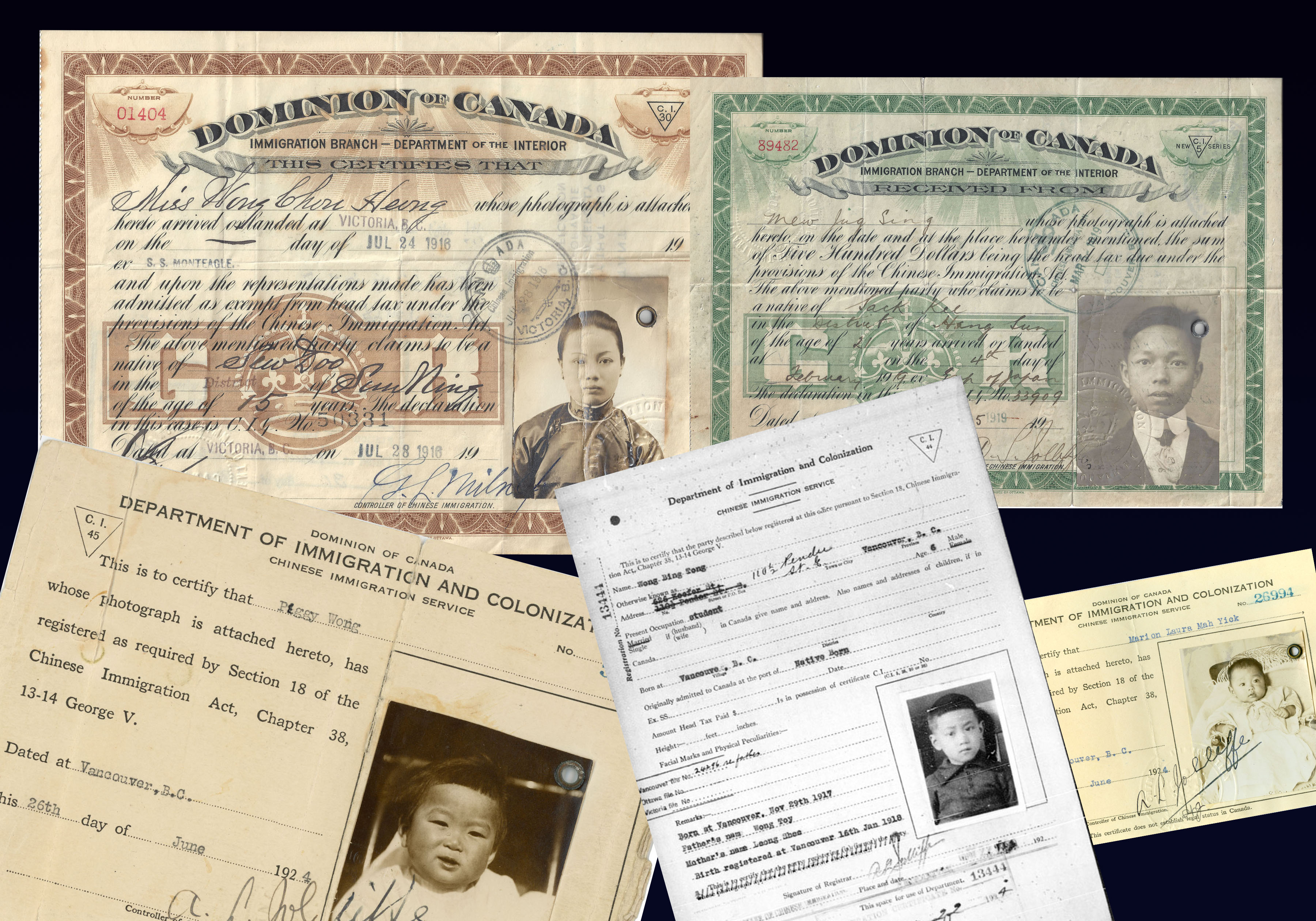
By the time the Chinese Immigration Act, 1923 came into force, Chinese communities in Canada had already endured decades of barriers, including head taxes, occupational restrictions, and discriminatory regulations. The 1923 Act intensified these conditions by effectively ending most legal immigration from China and introducing a national system of registration for those already in the country. For Chinese residents, exclusion did not mean removal. It meant living within a system intended to prevent permanence.
Economic Life
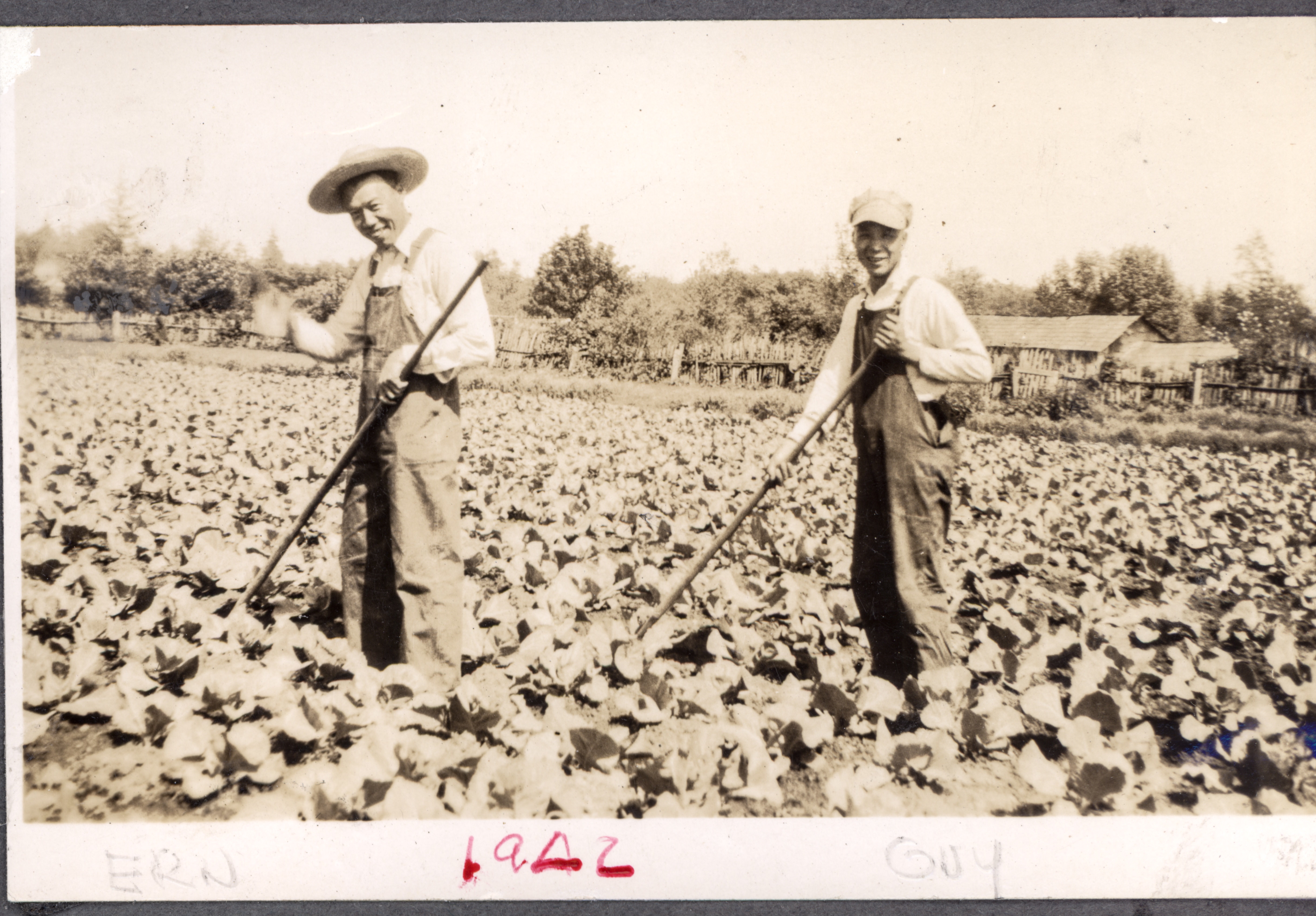
Economic life was one of the most constrained areas. Chinese workers were excluded from many professions and skilled trades through licensing rules, union practices, and informal hiring barriers. Even when work was available, advancement and security were limited. These constraints pushed many Chinese Canadians into a narrow range of occupations: laundries, restaurants, market gardening, and retail. These businesses required working long hours, pooling family resources, and adapting to shifting regulations that could disrupt livelihoods with little warning.
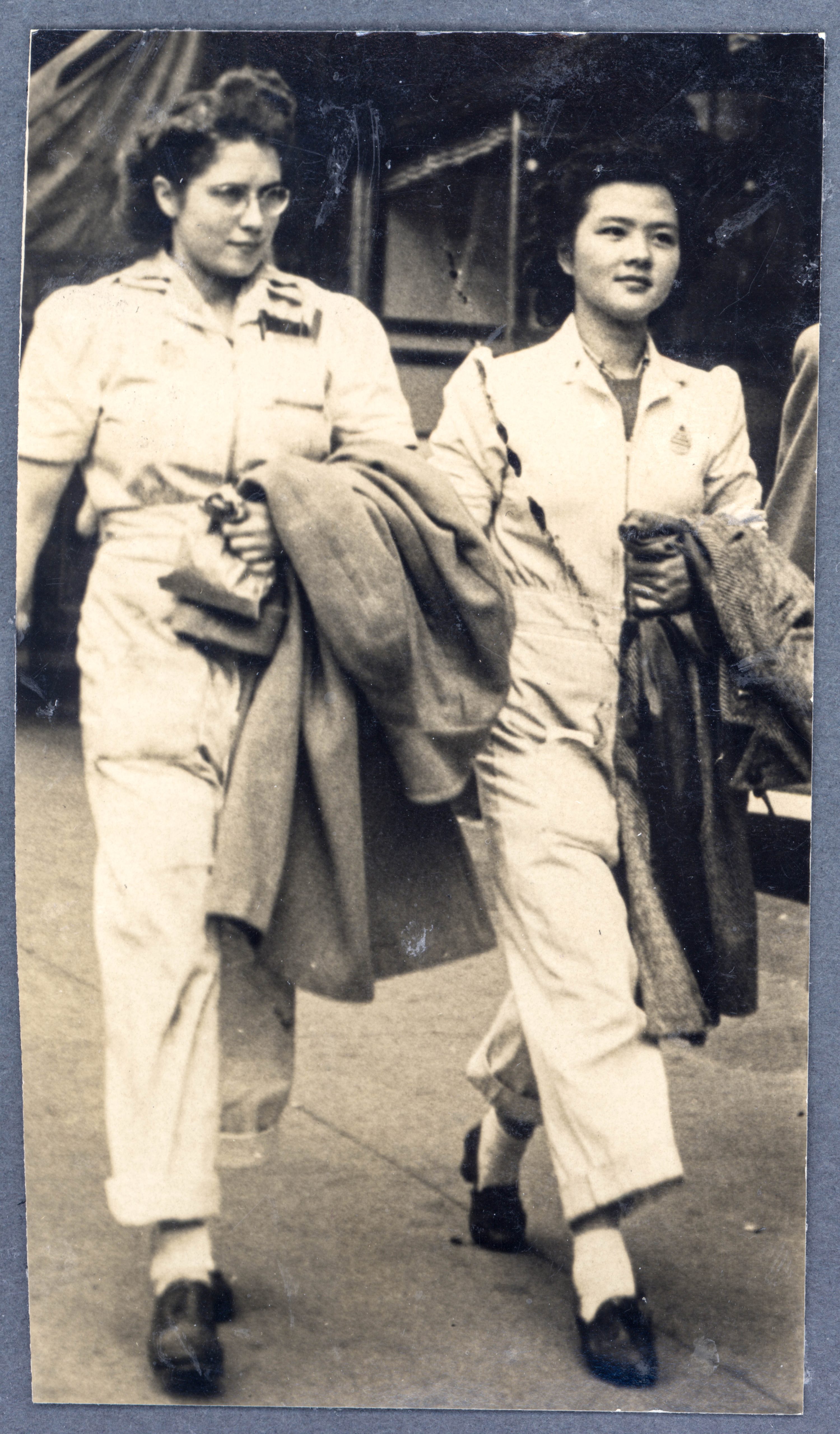
Family life was shaped by policy. Immigration laws made it extremely difficult for Chinese men to bring wives or children to Canada, and for women and families to settle permanently. This resulted in communities where separation across oceans was common and prolonged. The absence of families was not a cultural preference – it was the intended effect of exclusionary law. For those women and children who did reach Canada, life remained uncertain, shaped by documentation requirements and limited legal protection.
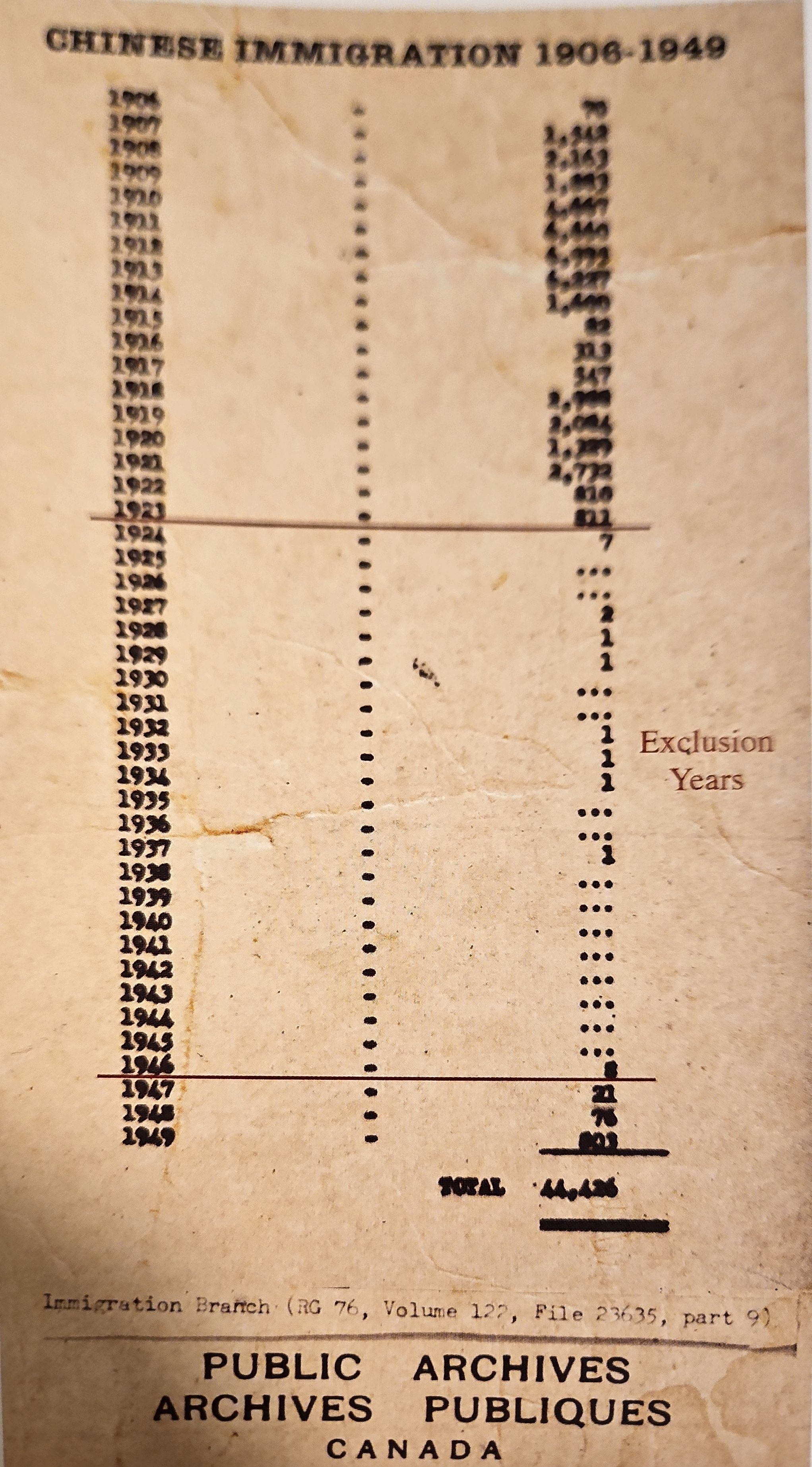
Fewer than 50
The ban was enforced for 24 years. Until 1947, Canada’s doors were effectively closed to Chinese immigrants. Fewer than 50 were admitted during that entire period.
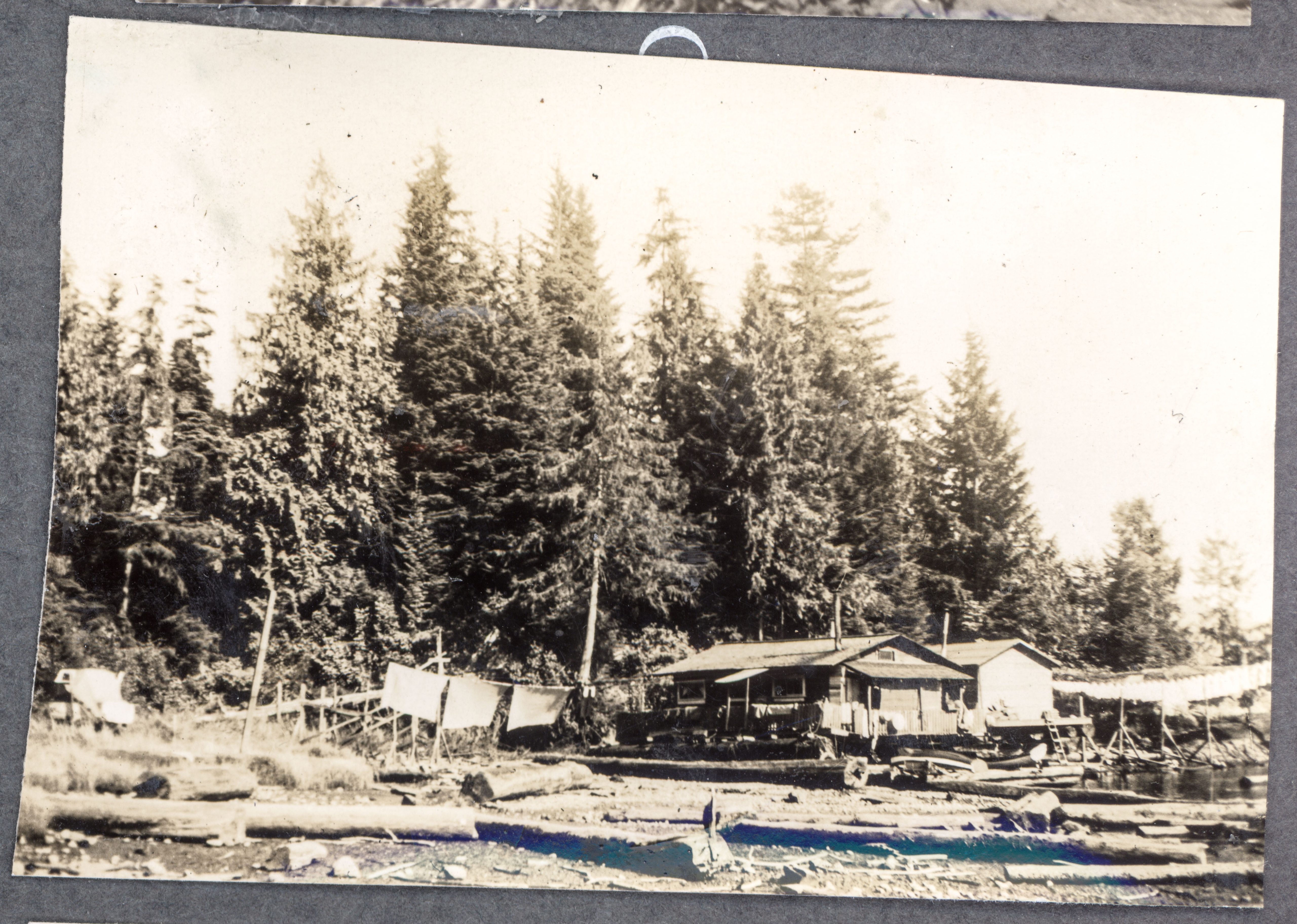
Daily Life
Daily life involved constant interaction with the state. Chinese residents were required to register, carry certificates, submit photographs, and account for their movements. Travel, employment, and even residence could depend on producing the correct document at the right time. Identity was something that had to be repeatedly proven.
Social exclusion reinforced these legal constraints. Chinese Canadians faced hostility in housing and education, and lacked effective legal recourse against discrimination. Despite this, communities formed networks of support through family associations, benevolent societies, and shared businesses. These institutions helped people navigate daily life, maintain cultural ties, and support one another in the absence of broader protection.
Understanding life during exclusion means recognizing that hardship was not incidental, but engineered. The men, women, and children who endured it did so not because they lacked ambition or adaptability, but because they were denied the ordinary freedoms that allow lives to unfold with stability and dignity.
Their survival is not evidence of the system’s fairness, but of their extraordinary persistence within it.