Silent, Skilled, and Deadly: The Small Arms Training of SOE’s Force 136

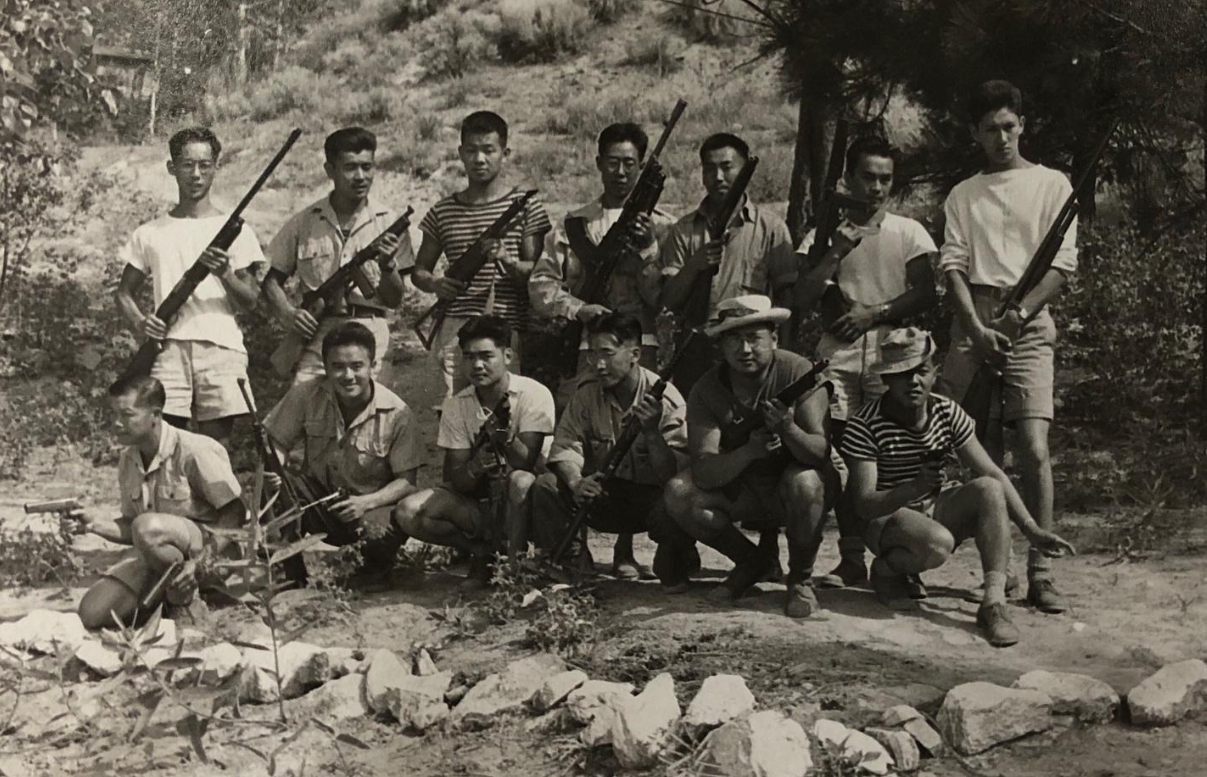
Image details — The men of Operation Oblivion and various weapons. 1944, Okanagan, BC. National Archives, London, HS-133 Operation Oblivion. Used with permission.
The men of Operation Oblivion and various weapons. 1944, Okanagan, BC.

Before entering Japanese-occupied Southeast Asia, many Force 136 operatives trained for months at Poona, India. Their mission would take them deep into the jungle in small patrol liaison teams, or PLTs, often far beyond the reach of friendly forces. Survival depended on silence, improvisation, physical endurance, and a mastery of small arms. The training records preserved in HS 7/115 – SOE Training in India 1942–45 show just how demanding this preparation was. Thirty separate weapons lessons were packed into a three- to four-month course, building the skills needed for sudden ambushes, stealthy escapes, and rapid decision-making under extreme pressure. 

About the Weapons

Pistols

Operatives learned the basics: stripping, cleaning, loading, and “instinctive firing”—close range, no sights. Light and compact, pistols were essential in the jungle, with fast encounters and short distances. Many pistols, including some carried by SOE personnel, were built in Canada, where women made up a large portion of the factory workforce.

Force 136 operatives trained on various weapons, including the .38 Enfield or Webley revolvers, .455 Webley revolvers, .45 Colt automatics, and the Canadian made 9 mm Browning pistol.
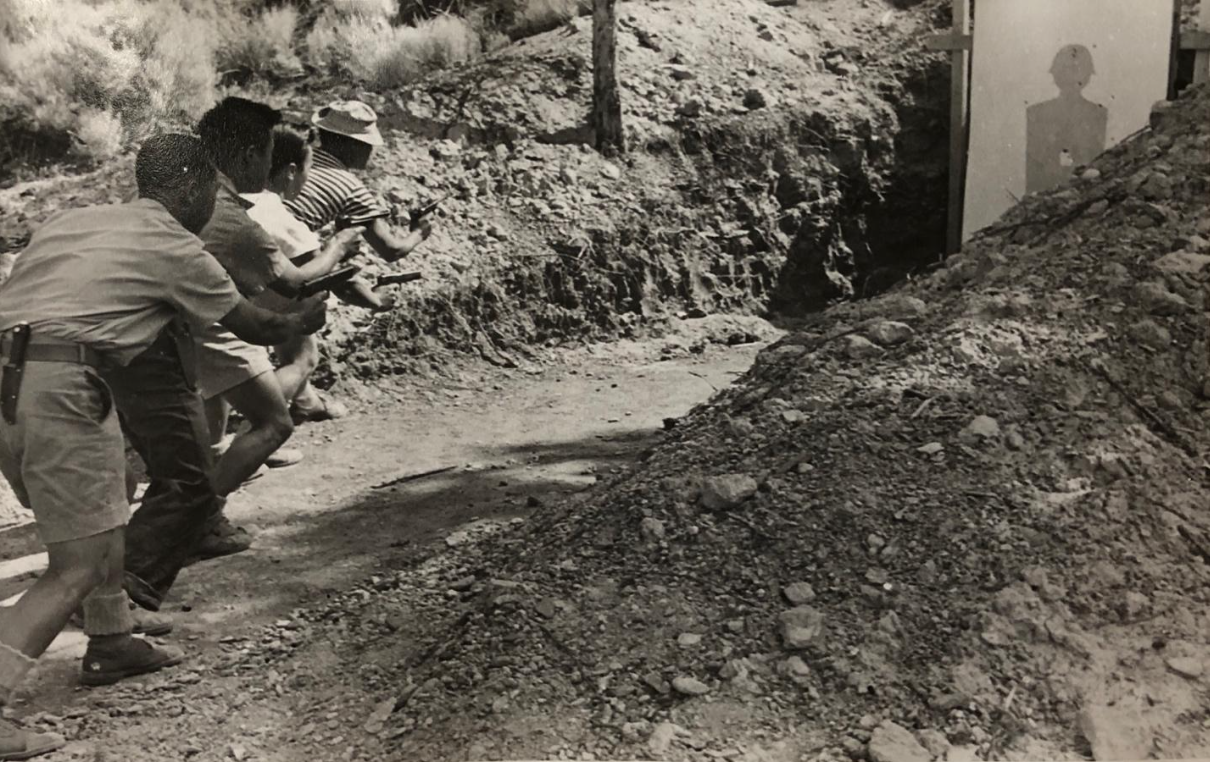
Image details — The men of Operation Oblivion in small arms training (identified as 9 mm Browning pistols and possibly Japanese Nambu pistols). Several men holding pistols and pointing at a target.
The men of Operation Oblivion in small arms training (identified as 9 mm Browning pistols and possibly Japanese Nambu pistols). 

M1 semi-automatic rifle

The U.S. M1 semi-automatic rifle saw some use within SOE’s Force 136 in Southeast Asia, where its reliability and rapid firing rate made it suitable for guerrilla operations. The M1’s self-loading mechanism offered a tactical advantage in ambushes and close-range engagements common in jungle warfare, allowing operatives to deliver sustained, accurate fire without manual cycling.

Its compatibility with American ammunition stockpiles available through China–Burma–India logistics channels increased its utility. 
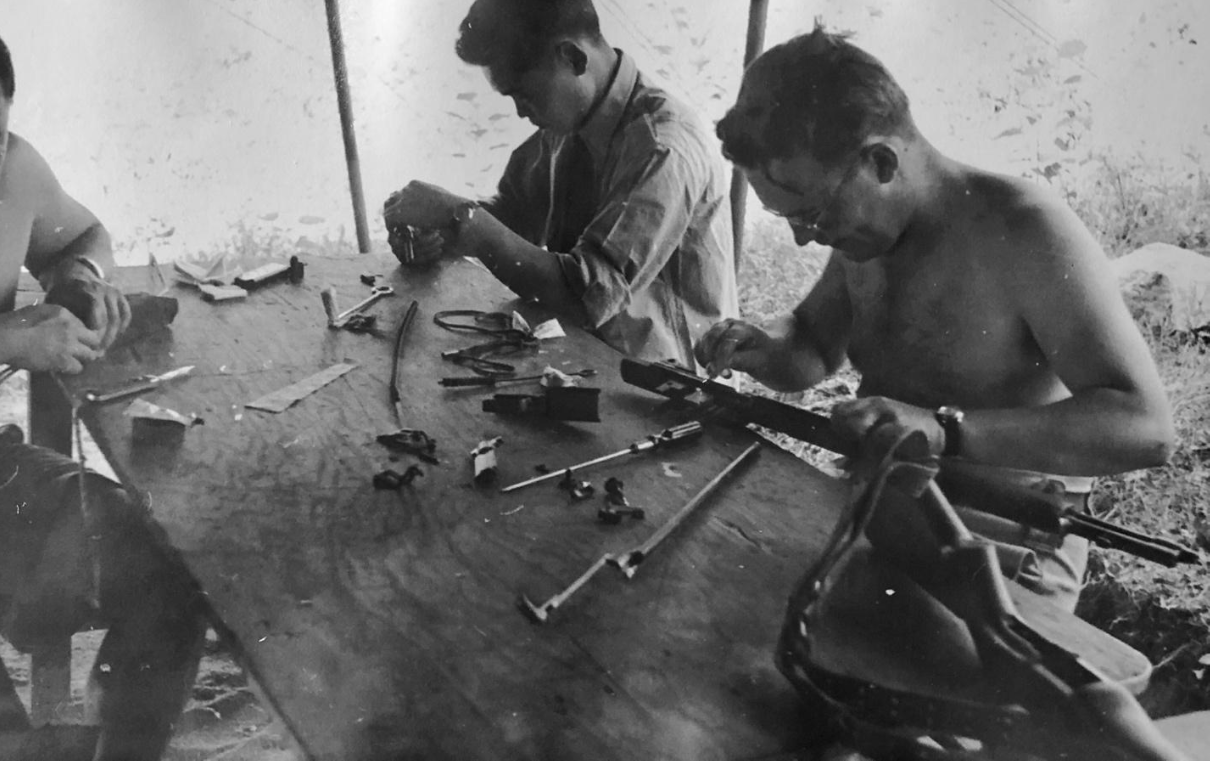
Image details — Force 136 members, Eddie Chow and instructor cleaning a M1 rifle on a table.
Force 136 members, Eddie Chow and instructor cleaning a M1 rifle. 

Sten Submachine Gun

Cheap, compact, and easy to maintain, the Sten was ideal for covert operations. It fired 9mm ammunition—light enough to carry in quantity—and weighed only about 3.2 kg/ 7 lbs. Students learned to hold and fire it on the move, engage moving targets (called “bobbers”), and practise silent approach manoeuvres called “Sten stalks.”

Canadian factories also helped produce Stens during the war, again relying heavily on women workers.
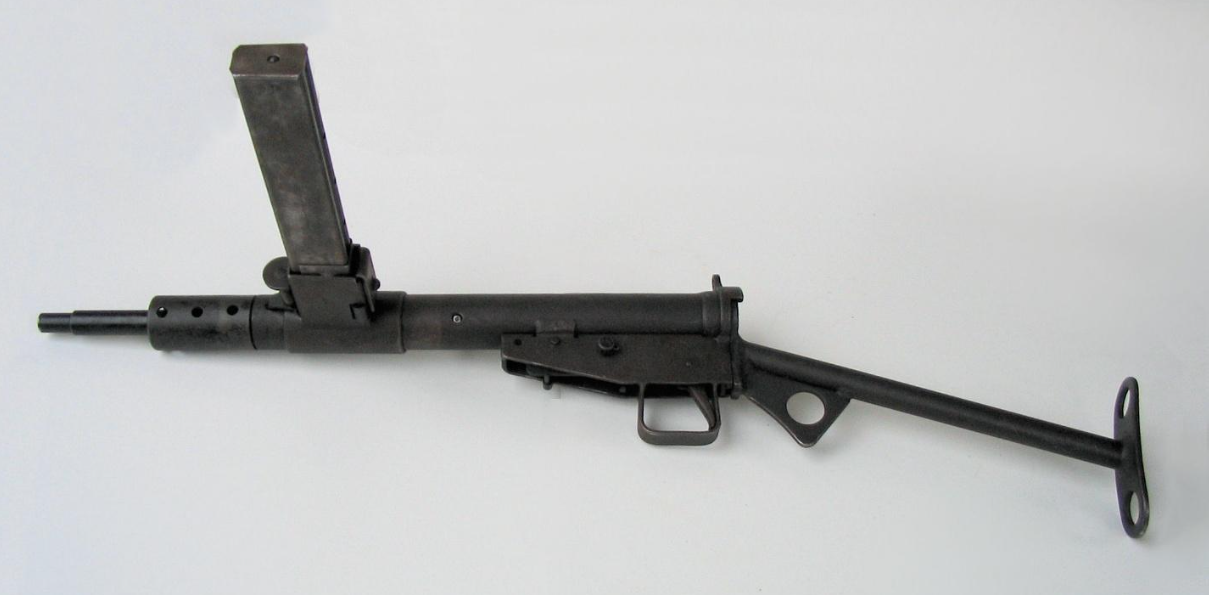
Image details — Photo of a KIS submachine gun. It was developed by engineers in the underground workshops and based on the British Sten MkII with modifications.
Photo of a KIS submachine gun taken by Grzegorz Pietrzak (user Vindicator) – Own work, CC BY-SA 3.0,  https://commons.wikimedia.org/w/index.php?curid=2809199

Bren Light Machine Gun

Canadian women played a crucial role in the war effort by building Bren guns at the John Inglis Company in Toronto, producing the reliable light machine guns that armed Commonwealth troops and even some SOE operatives working behind enemy lines. The Bren gave small PLTs serious firepower. At roughly 10 kg/ 22 lbs, it was not light, but it allowed operatives to deliver controlled bursts to break contact with Japanese patrols.

Training included dealing with stoppages, firing from cover, and moving with the weapon without revealing position.
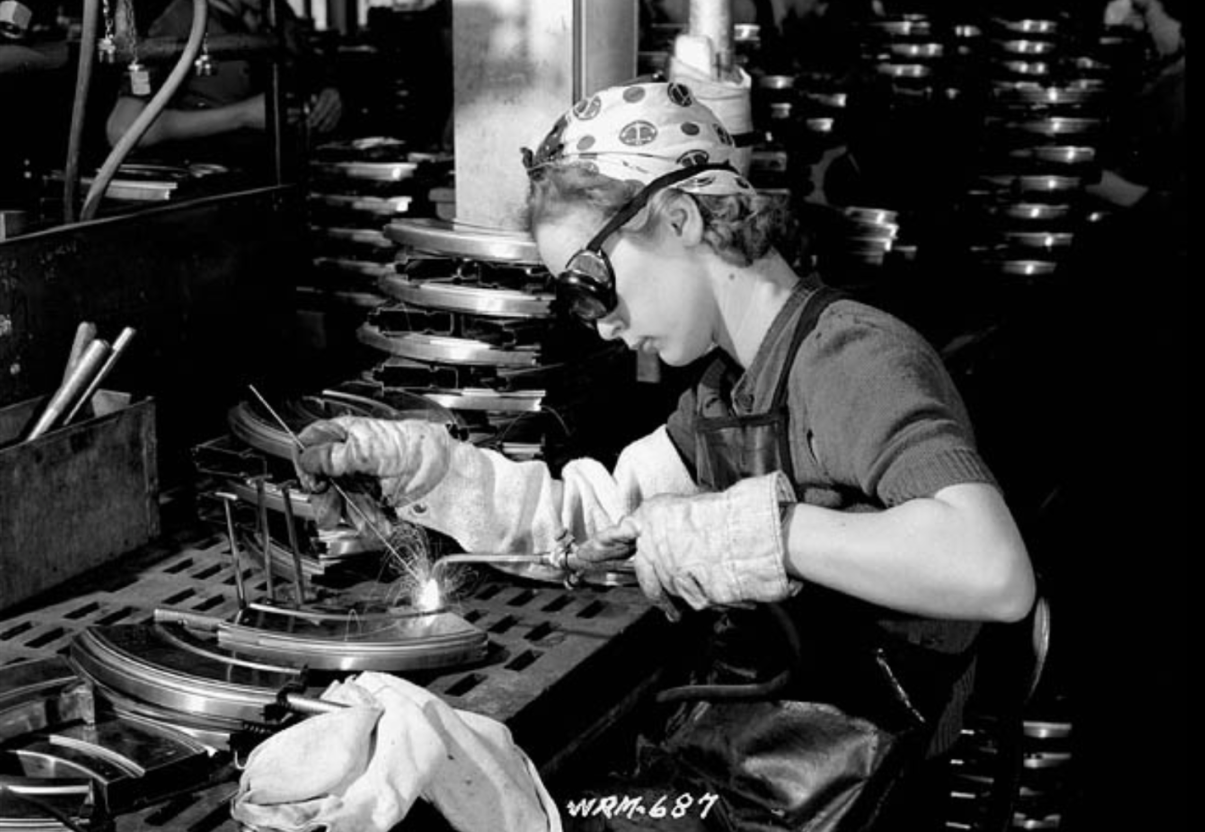
Image details — Photo of a woman in a factory welding Bren gun magazines.
Woman welds Bren gun magazines, John Inglis Co., Toronto, ON., National Film Board of Canada.  

Grenades and Rifle Grenades

Grenade training moved from practice dummies to live throwing. In the dense jungle—where visibility was often only a few metres—grenades were vital tools for ambush, distraction, and escape. Students also learned to fire rifle-launched grenades, extending their reach against bunkers or trails used by Japanese forces.

The P.I.A.T. (Projector, Infantry, Anti-Tank) MKI

Heavy and awkward at roughly 16 kg/ 35 lbs, the P.I.A.T. was still crucial for jungle operations. Its powerful, shaped warhead could destroy bunkers or light vehicles and penetrate all types of Japanese tanks. Operatives trained to fire it safely, despite its unpredictable recoil and demanding loading technique.

Japanese Weapons

Because Force 136 worked behind enemy lines, students also learned to strip, clean, and fire Japanese rifles and light machine guns. Ammunition might be easier to capture than to receive by air, and understanding enemy weapons helped with sabotage and intelligence gathering.

What This Tells Us About Their Expected Missions

The outfitting lists for a PLT show large quantities of rifles, submachine guns, Brens, and grenades being dropped into the Southeast Asian interior. Stores for one operation alone included hundreds of rifles and tens of thousands of rounds of ammunition. These teams clearly expected danger. Japanese patrols were constant, and discovery meant overwhelming force. The mix of weapons suggests their missions required:

  • Survival deep behind enemy lines
  • Arming and training local resistance groups
  • Conducting ambushes and demolitions
  • Avoiding prolonged battles while being ready to fight their way out

Every weapon they carried represented both a lifeline and a burden. Too little ammunition could cost lives; too much weight could slow an escape. Their training—steeped in realism, live fire, and unfamiliar equipment—was meant to keep them alive when the jungle closed in and Japanese forces drew near.
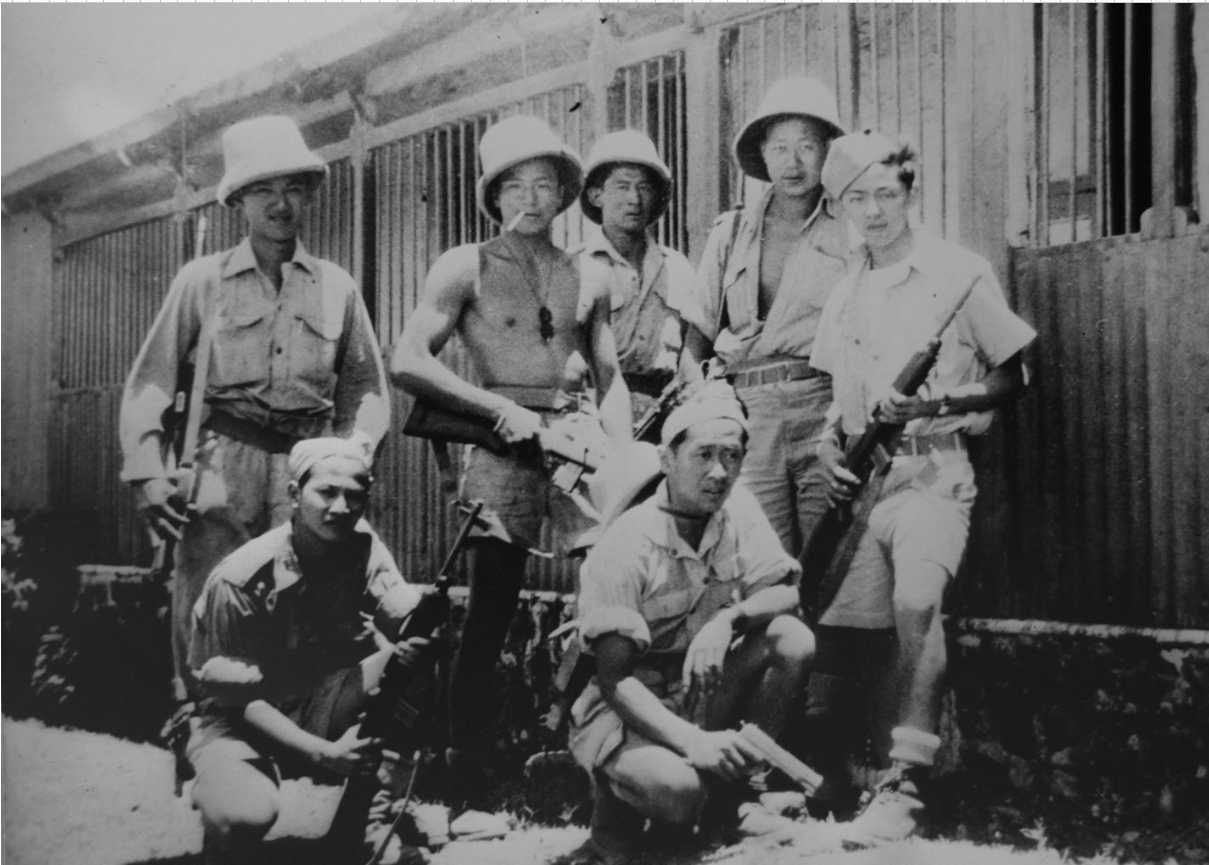
Image details — Group of seven soldiers in India. Five are standing and two crouching in the front. The men appear to be holding six American M1 carbines and one 9mm Browning pistol.
The men of Force 136, India, who appear to be holding six American M1 carbines and one 9mm Browning pistol.