From Hardship to Hope
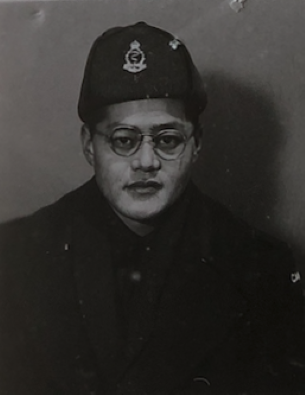
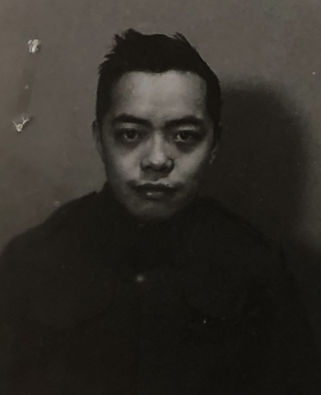
Sing Wah Fong (1881-1950), known as Harry, immigrated from Hoiping, Guangdong, China to New Brunswick in 1899. He ran a laundry on Canada Road, Edmundston and in 1911 made $700. It took him almost two decades to save the equivalent of 18 months gross revenue to bring his first wife, Mary, and son Eddie, to join him in 1918. When Mary died in 1921, Harry paid another six months’ gross revenue to bring over second wife Look Wai Hing in 1922.
Harry and Mary had three sons: Eddie, George, and Charles.
The family worked ceaselessly. All three boys showed an aptitude for math. Charles studied two years at St. Francis Xavier University, Antigonish, NS. He played basketball and hockey, and spoke three languages: English, French, and Cantonese. George studied drafting at technical school and spoke the same three languages.
When the Second World War began in 1939, the family was living in Ottawa. Eddie, George, and Charlie worked restaurants and odd jobs, while Harry ran the laundry that Eddie saved to buy. Perhaps they sought a better life, or a change from the grind, or maybe they wanted to prove themselves worthy of civil rights – all three boys tried to enlist.
Anti-Chinese Barrier Lifted
Eddie, 24, 5’2”, studied aeronautical engineering to join the air force. His 1940 application was rejected – officially due to height, but more likely due to race. The air force would not lift the anti-Chinese barrier until Oct 1942. George, 5’, 119 lbs, also hoped to join the air force, but enlisted in the army. George joined his brother, Charles, nicknamed Chuck, 5’2”, 120 lbs, who had already enlisted. It was Sep 1944.
The Fong Brothers in Australia
Chuck (military no. B.118836) and George (military no. C.49137) served together during the war. They took basic training at Peterborough, ON, then Camp Borden. They were both assigned to the Royal Canadian Medical Corps. They volunteered for special duty with SOE and were assigned to the fourth of seven drafts of Canadian Chinese. They joined the Australian equivalent of SOE, called Services Reconnaissance Department, or SRD, where there was urgent need for Chinese speakers in Sarawak and Borneo. When they were scheduled to depart, Acting L/Cpl Chuck Fong and Pte. George Fong joined thirteen Chinese Canadians privates aboard the U.S. Red Ainsworth departing Vancouver in Feb 1945. They sailed to Maryborough, Queensland to train at the Fraser Commando School.
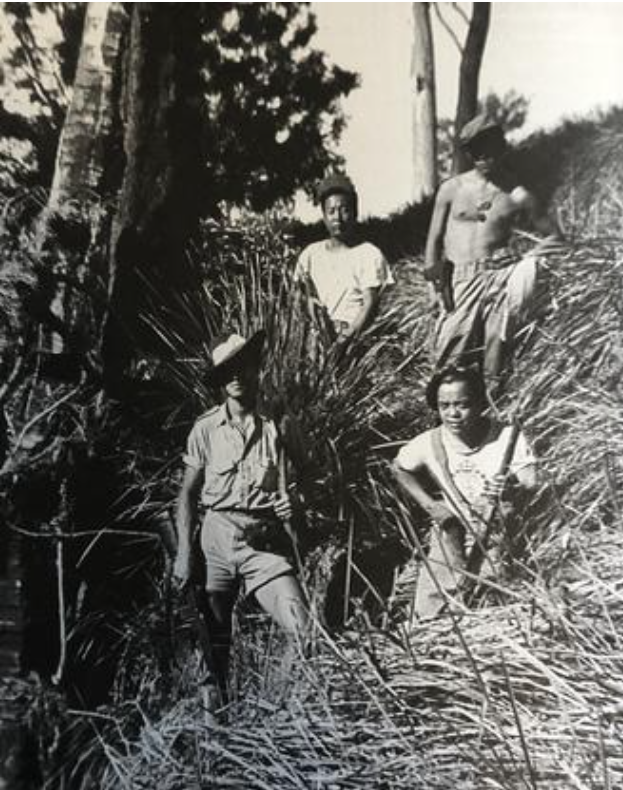
A soldier’s jungle clothing kit contained the following: khaki shorts and long sleeved shirts, trousers and leg bindings. Sleeves and long pants were essential. There were hornets, leeches, mites, sandflies, snakes, and ticks. Even the vegetation was dangerous.
The less exposed skin of white troops unaccustomed to jungles, the less ulcers caused by the numerous thorns and grasses, many of which are poisonous.
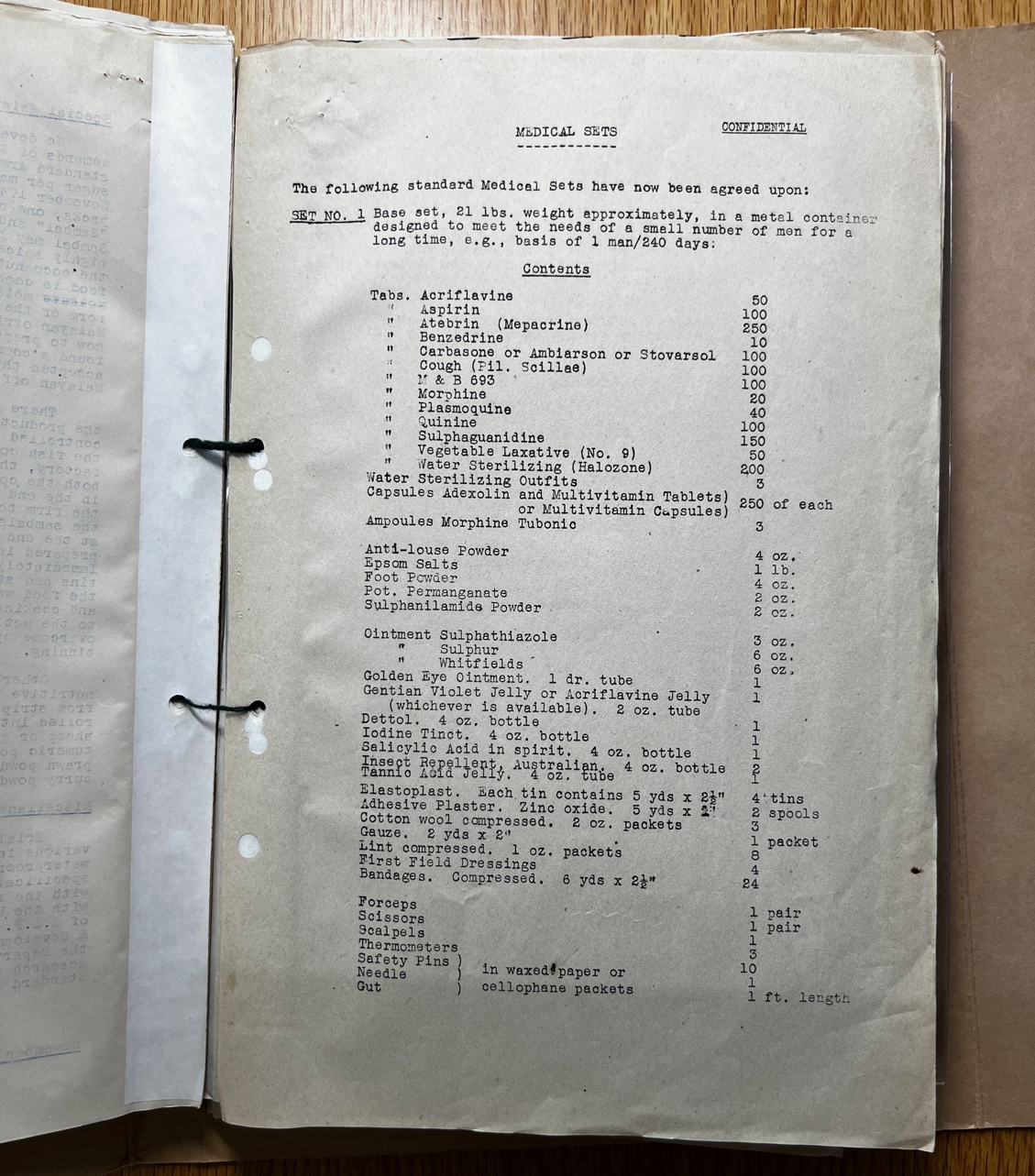
A 21-Pound Lifeline in the Field
The Fongs, with the Royal Australian Medical Corps, would have been assigned medical sets, holding in a watertight metal container the drugs, ointments, antiseptics, dressings, and instruments. A basic set weighed 21 lbs.
Codename Ajax
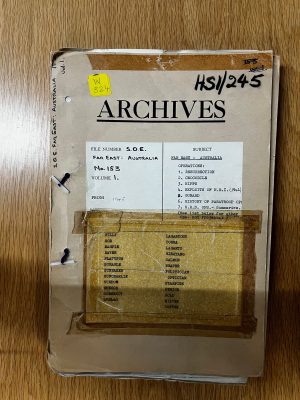
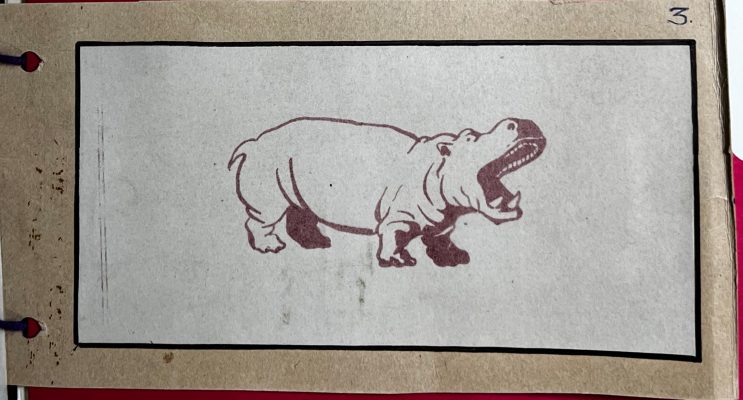
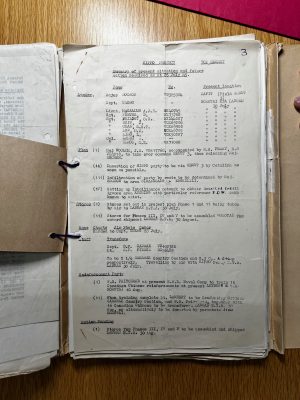
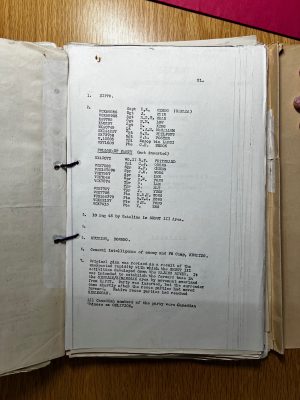
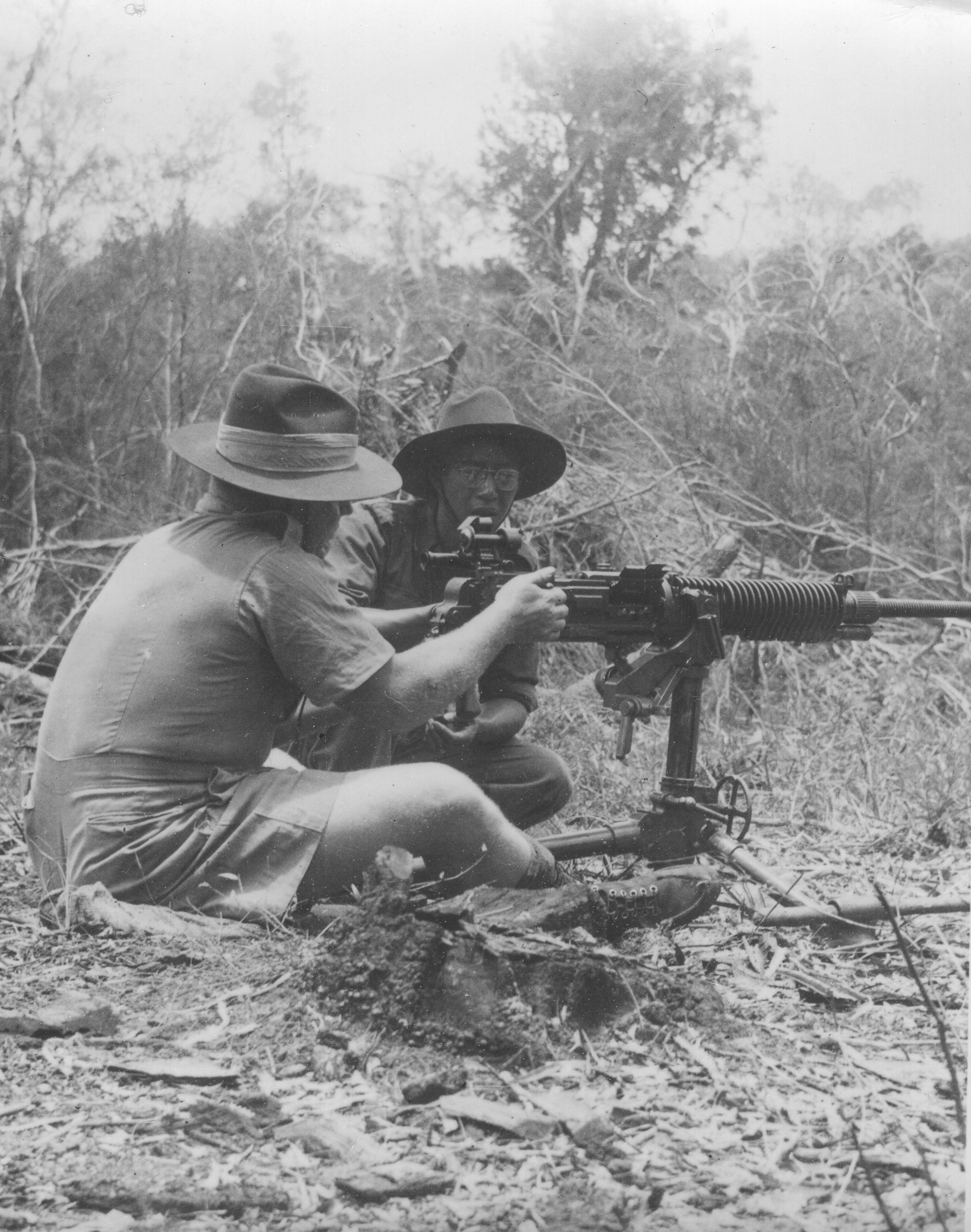
Acting L/Cpl Fong was promoted to Corporal in May and given responsibility for a party of fifteen Canadian soldiers – including his brother George – assigned to AJAX – the Australian codename for Chinese Canadians training at the Fraser Commando School, Fraser Island, Queensland. There, they underwent rigorous paramilitary training similar to SOE India, culminating in a series of seven parachute training jumps. Cpl. Chuck Fong and Pte. Fong were assigned to Operation Hippo’s follow up party, called Hippo II, but were not deployed due to the surrender of Japan on 15 Aug 1945.
George Hung Fong died in 1993, aged 74. He is buried in Ottawa.
Charles Joseph “Chuck” Hung Fong died in 2015, aged 94, and is buried in Simcoe Co., ON.