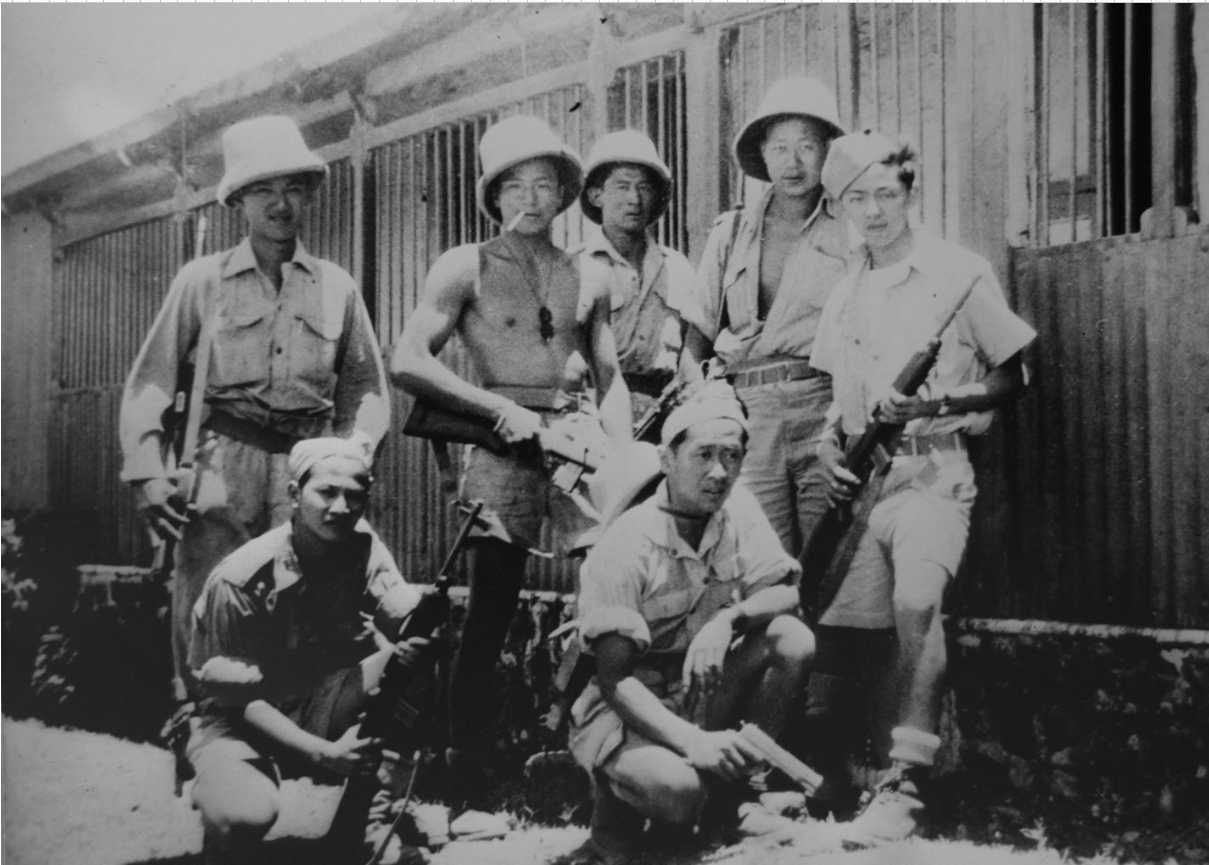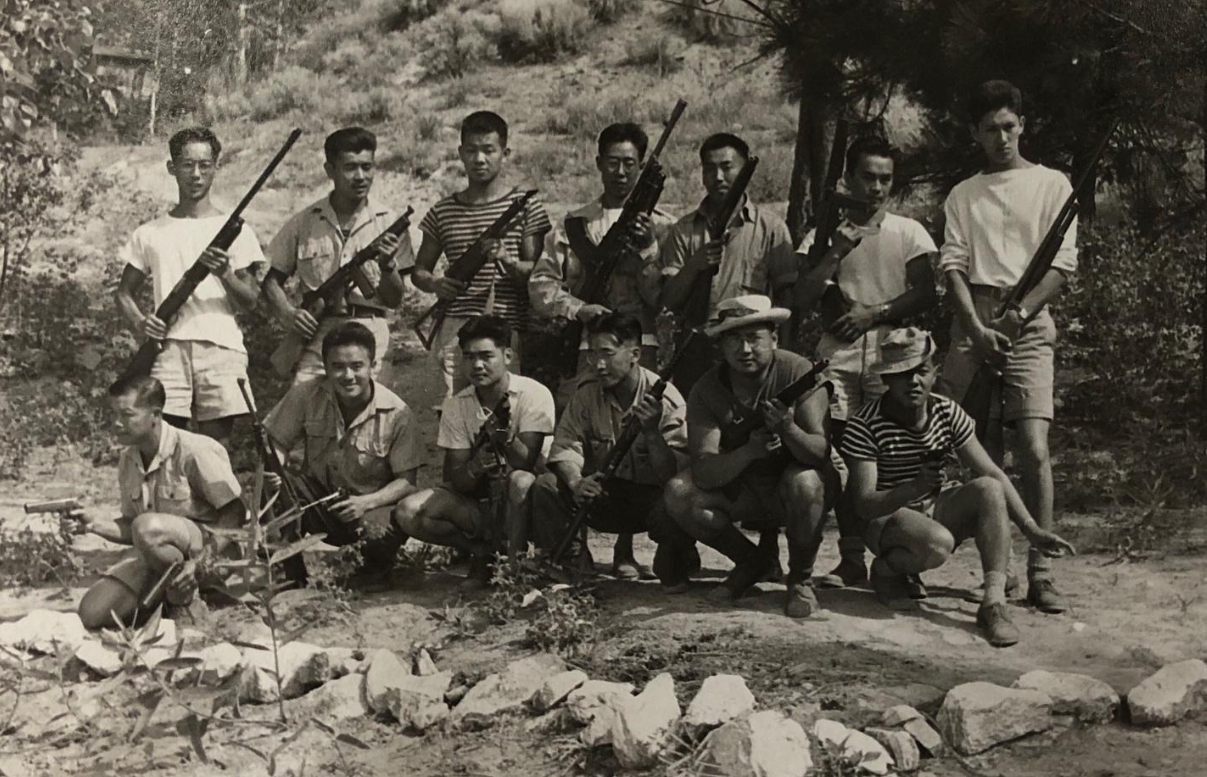
Before entering Japanese-occupied Southeast Asia, many Force 136 operatives trained for months at Poona, India. Their mission would take them deep into the jungle in small patrol liaison teams, or PLTs, often far beyond the reach of friendly forces. Survival depended on silence, improvisation, physical endurance, and a mastery of small arms. The training records preserved in HS 7/115 – SOE Training in India 1942–45 show just how demanding this preparation was. Thirty separate weapons lessons were packed into a three- to four-month course, building the skills needed for sudden ambushes, stealthy escapes, and rapid decision-making under extreme pressure.
About the Weapons
Force 136 operatives trained on various weapons, including the .38 Enfield or Webley revolvers, .455 Webley revolvers, .45 Colt automatics, and the Canadian made 9 mm Browning pistol.
Its compatibility with American ammunition stockpiles available through China–Burma–India logistics channels increased its utility.
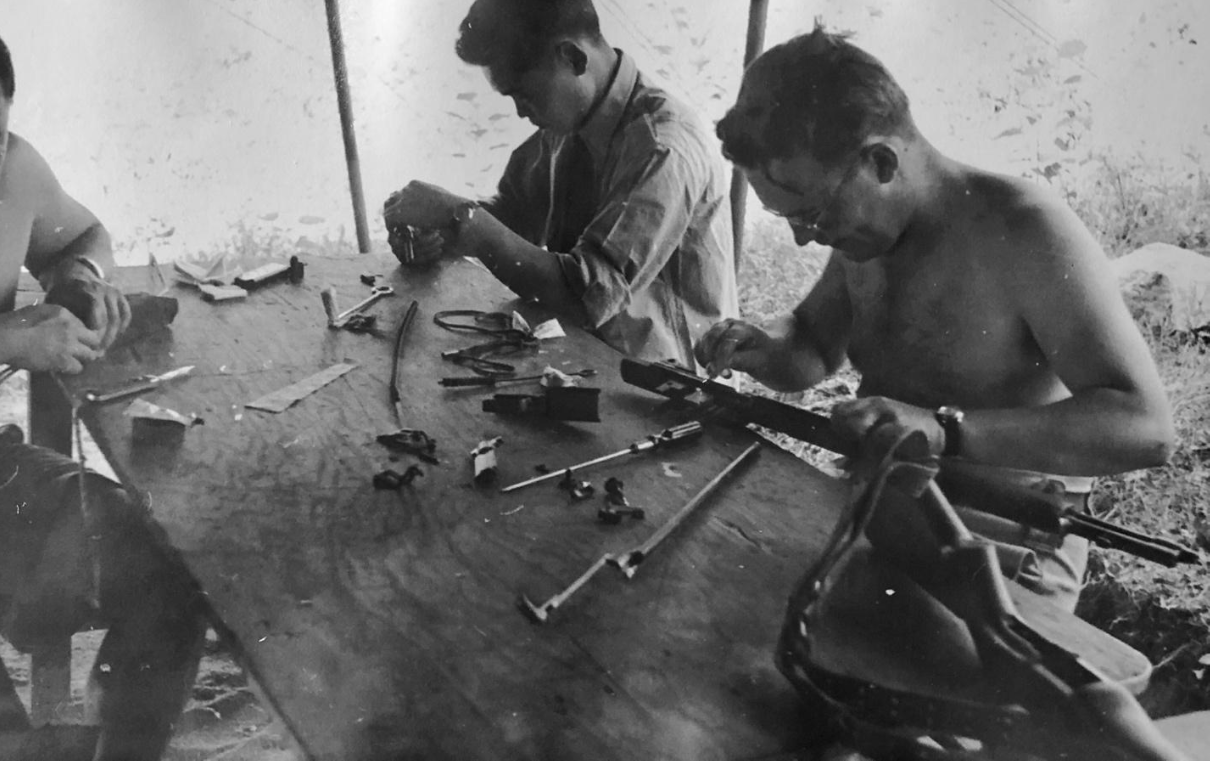
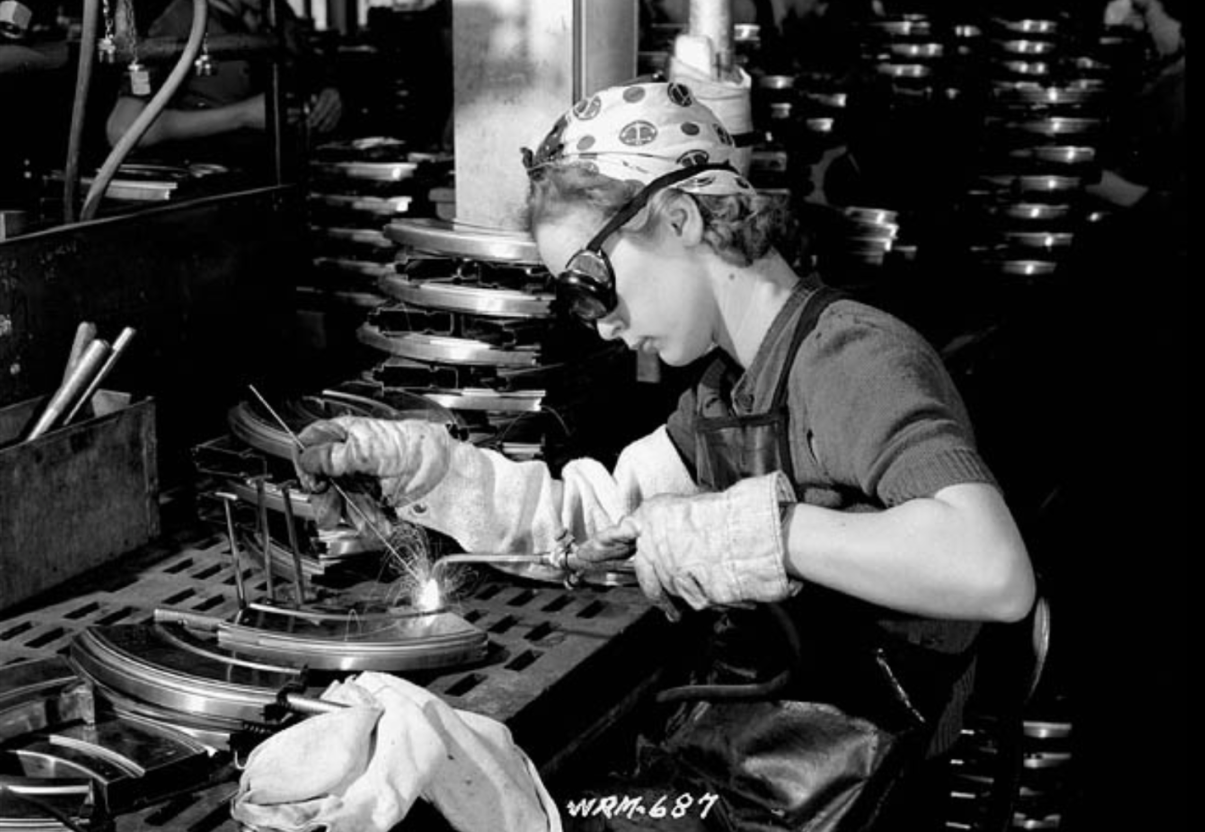
Canadian factories also helped produce Stens during the war, again relying heavily on women workers.
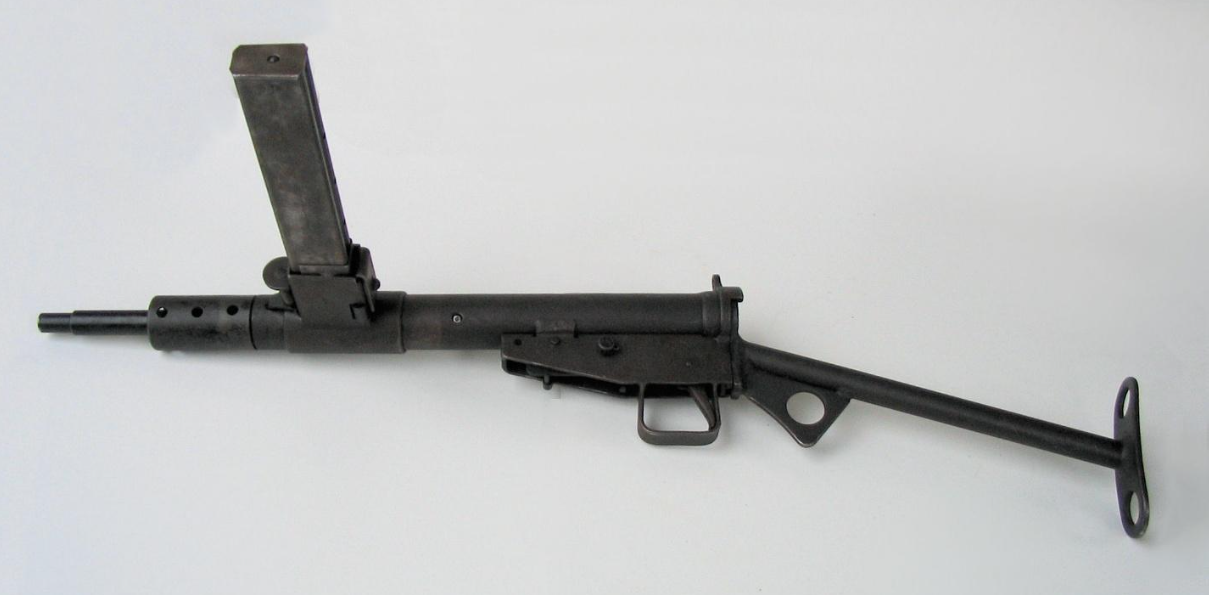
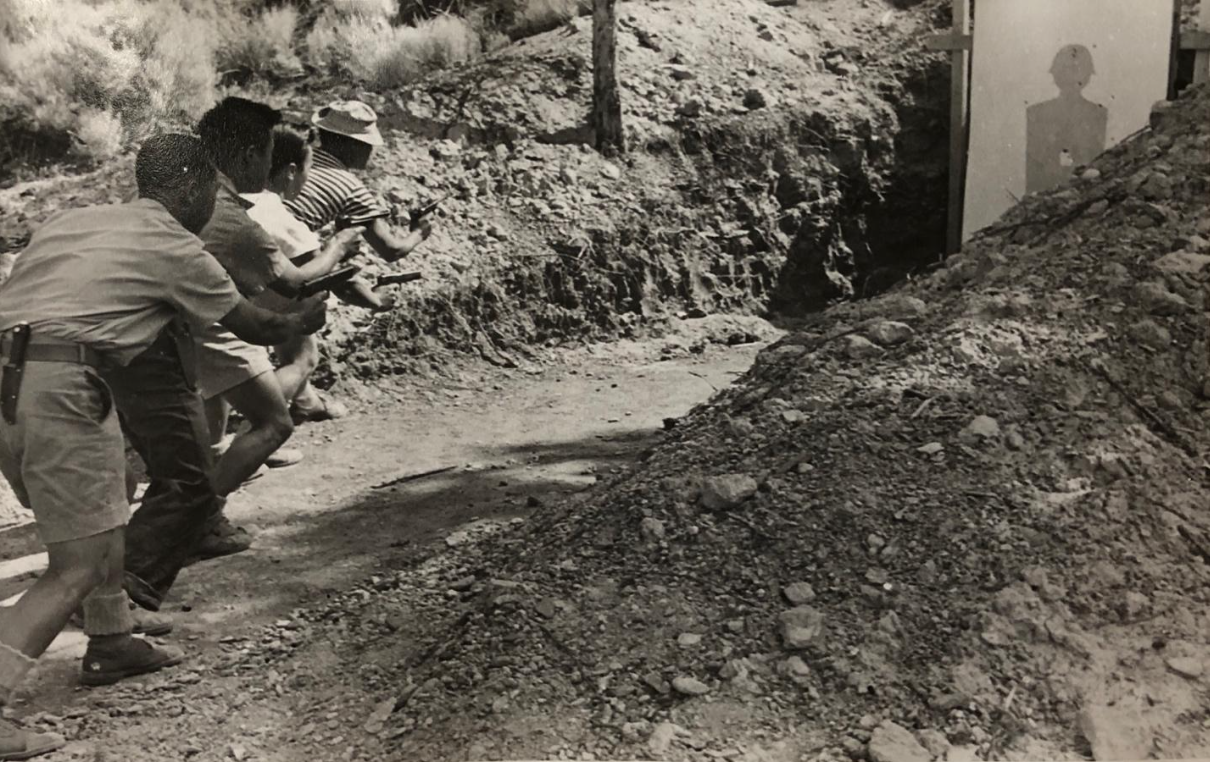
Training included dealing with stoppages, firing from cover, and moving with the weapon without revealing position.
What This Tells Us About Their Expected Missions
The outfitting lists for a PLT show large quantities of rifles, submachine guns, Brens, and grenades being dropped into the Southeast Asian interior. Stores for one operation alone included hundreds of rifles and tens of thousands of rounds of ammunition. These teams clearly expected danger. Japanese patrols were constant, and discovery meant overwhelming force. The mix of weapons suggests their missions required:
- Survival deep behind enemy lines
- Arming and training local resistance groups
- Conducting ambushes and demolitions
- Avoiding prolonged battles while being ready to fight their way out
Every weapon they carried represented both a lifeline and a burden. Too little ammunition could cost lives; too much weight could slow an escape. Their training—steeped in realism, live fire, and unfamiliar equipment—was meant to keep them alive when the jungle closed in and Japanese forces drew near.