Most Secret
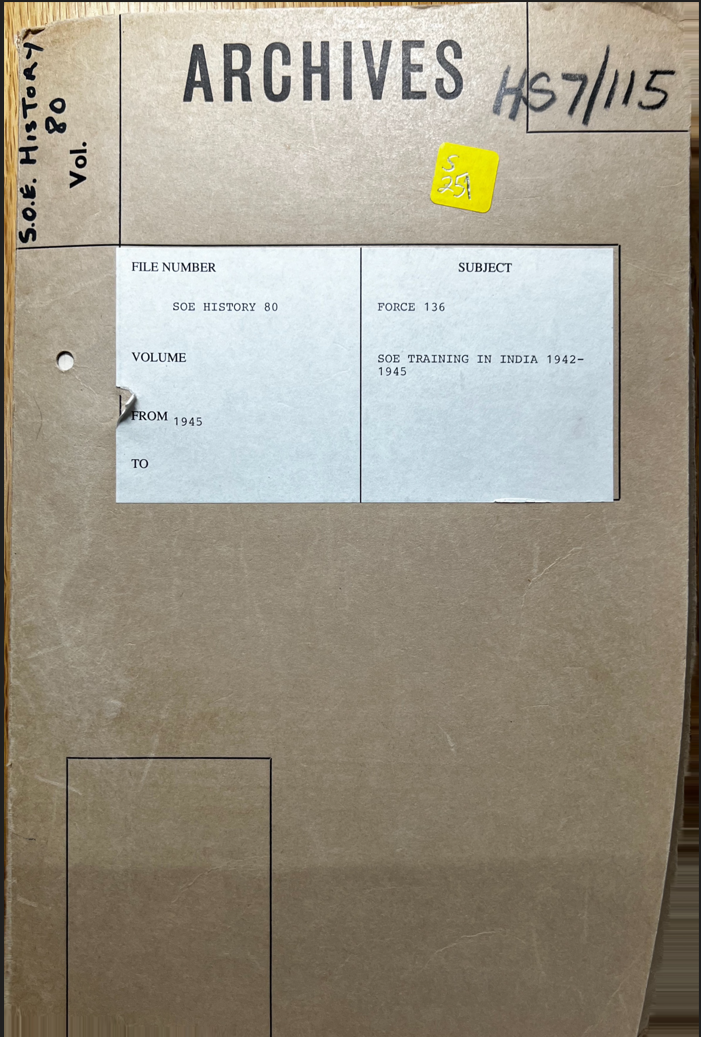
In the records, the folders look neat, almost orderly, belying the chaos they describe. In London, Special Operations Executive, or SOE, had been created to coordinate sabotage and subversion overseas, and to create, foster, and supply resistance. In an internal memo marked Most Secret, SOE candidly explained its purpose and need for secrecy in the finding and training of agents who could work inside occupied territory. By 1942, SOE was regarded as the coordinating authority for resistance work in occupied territories, and it was in need of operatives who blended into local societies.
Men Who Could Vanish
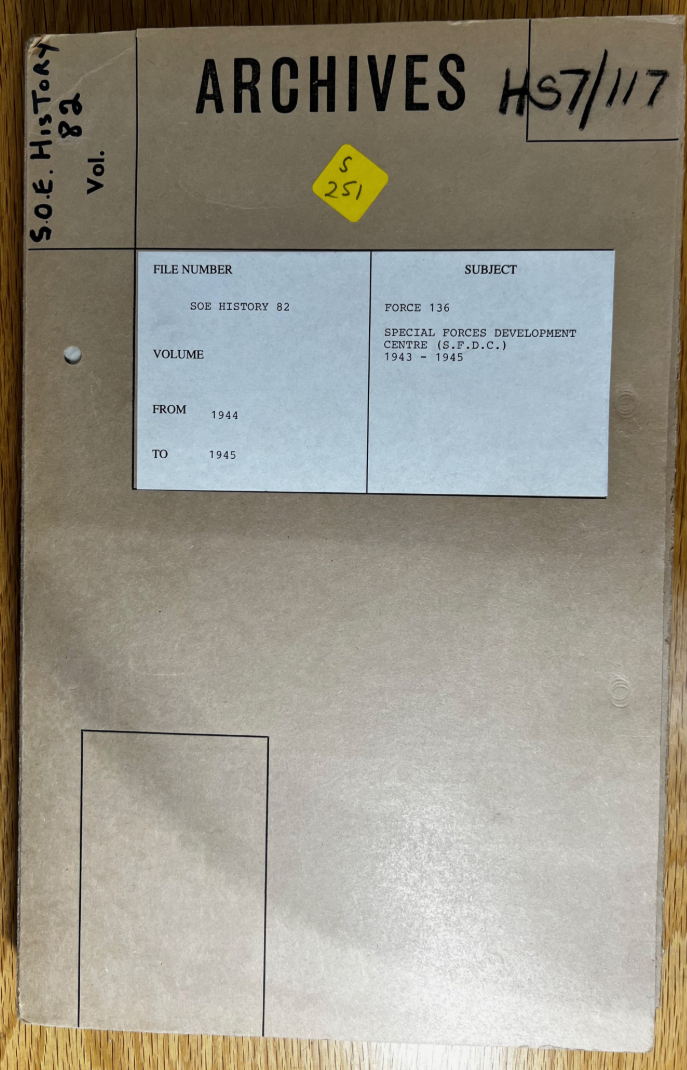
What the Allies needed in Asia were men who could vanish where Europeans could not: Chinese-looking operatives, Chinese-speaking if possible, and loyal enough to be trusted with top secret information, codes, and clandestine work. Australia’s Services Reconnaissance Department, called SRD, operating in the same wider clandestine war, also drew on this manpower. The first plan was unusual: thirteen recruits intended for Hong Kong, trained at Commando Bay, British Columbia, in what appears to have been a one-off SOE experiment in Canada. Their performance impressed senior Canadian and SOE officers, but the Commando Bay model was not repeated. Later volunteers generally followed a different route: ordinary Canadian basic training, then quiet selection for secret work, then onward movement through a wider clandestine training network designed to better approximate the conditions of jungle warfare. That network included sites in India, Ceylon, Australia, Fraser Island, and elsewhere. Over time, 145 Chinese Canadians entered this overlapping SOE/SRD/Force 136 funnel, though not all followed the same path through it.
Sharp Irony
The situation was ironic. Canada had not welcomed them for military service. Chinese Canadians had long been obstructed by racial politics and by fears that service would strengthen their claim to full citizenship. Once Chinese men were finally called up, some were steered toward some of the war’s most dangerous missions: advanced clandestine training, including parachute jump training and service behind enemy lines.
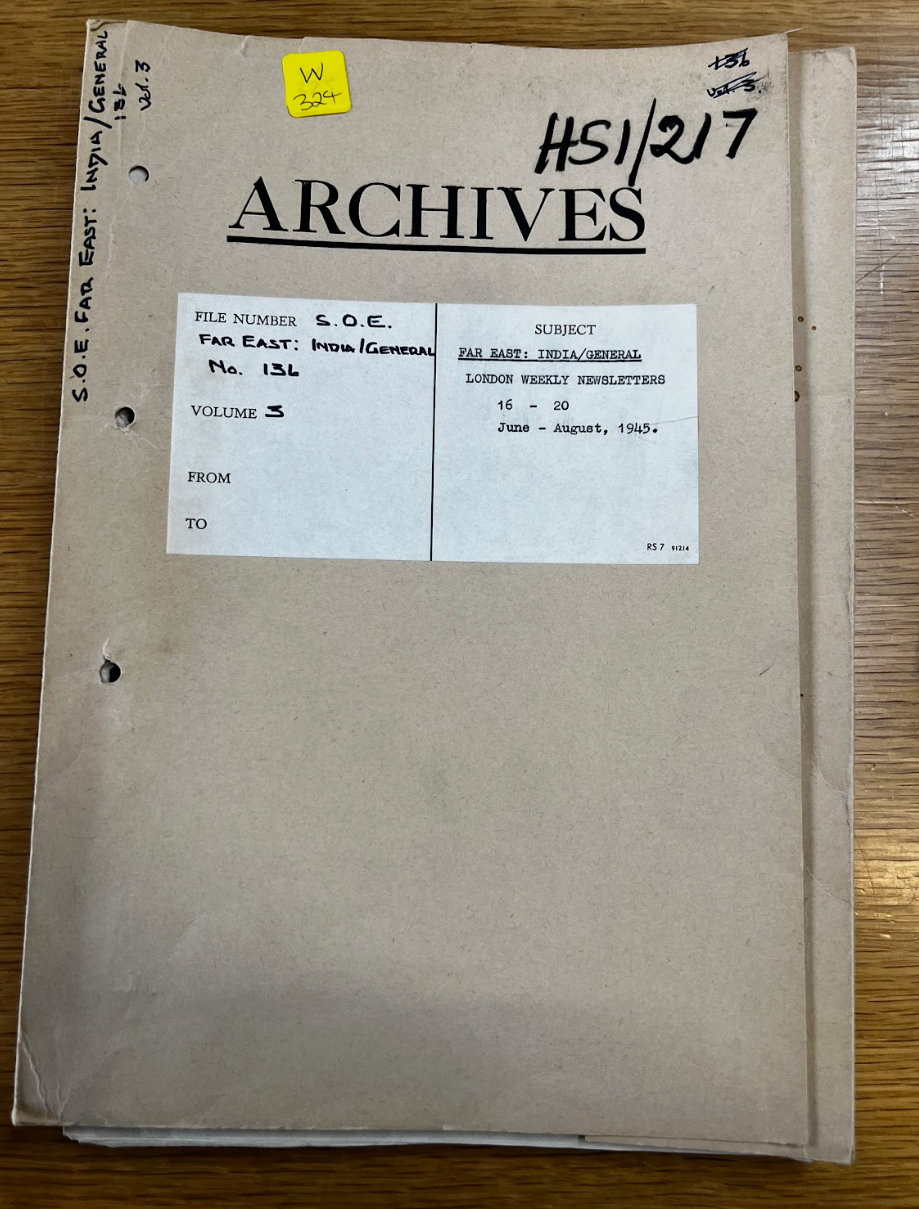
So the tidy papers belie the real story. They tell of overlapping wartime authorities — SOE in London, Canadian military authorities at home, SRD in Australia, and the Asian clandestine structure later widely known as Force 136 — all converging on the same men. Some reached the field and served in Southeast Asia, including places such as Borneo and Malaya (now Brunei, Malaysia, and Indonesia). Many more were still in training when Japan surrendered and the organization was abruptly wound down. Those already deployed continued in the field. Many of the rest, still in or just emerging from training for a secret war, were sent home.
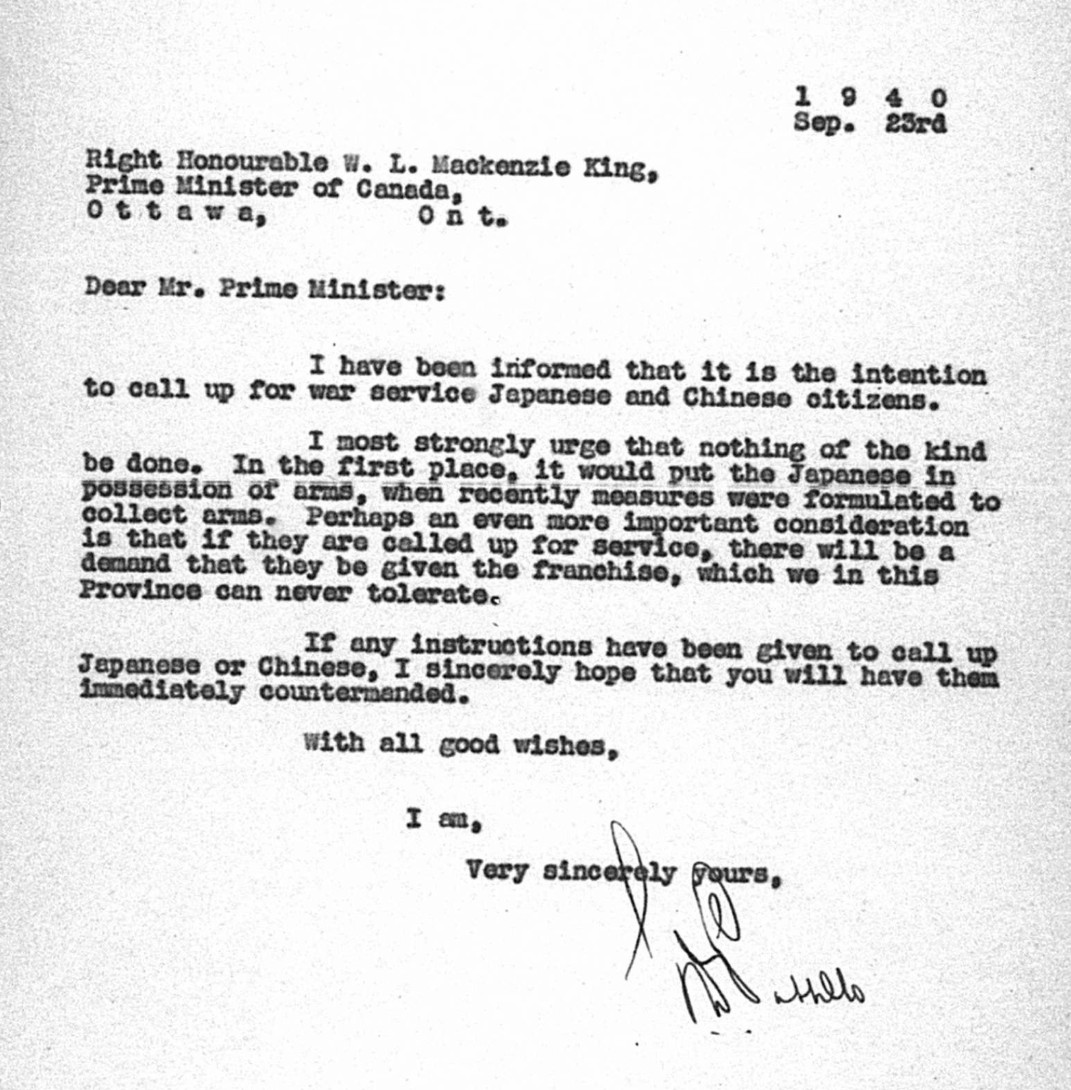
Premier Patullo (23 Sep 1940)
“I have been informed that it is the intention to call up for war service Japanese and Chinese citizens. I most strongly urge that nothing of the kind be done.“