

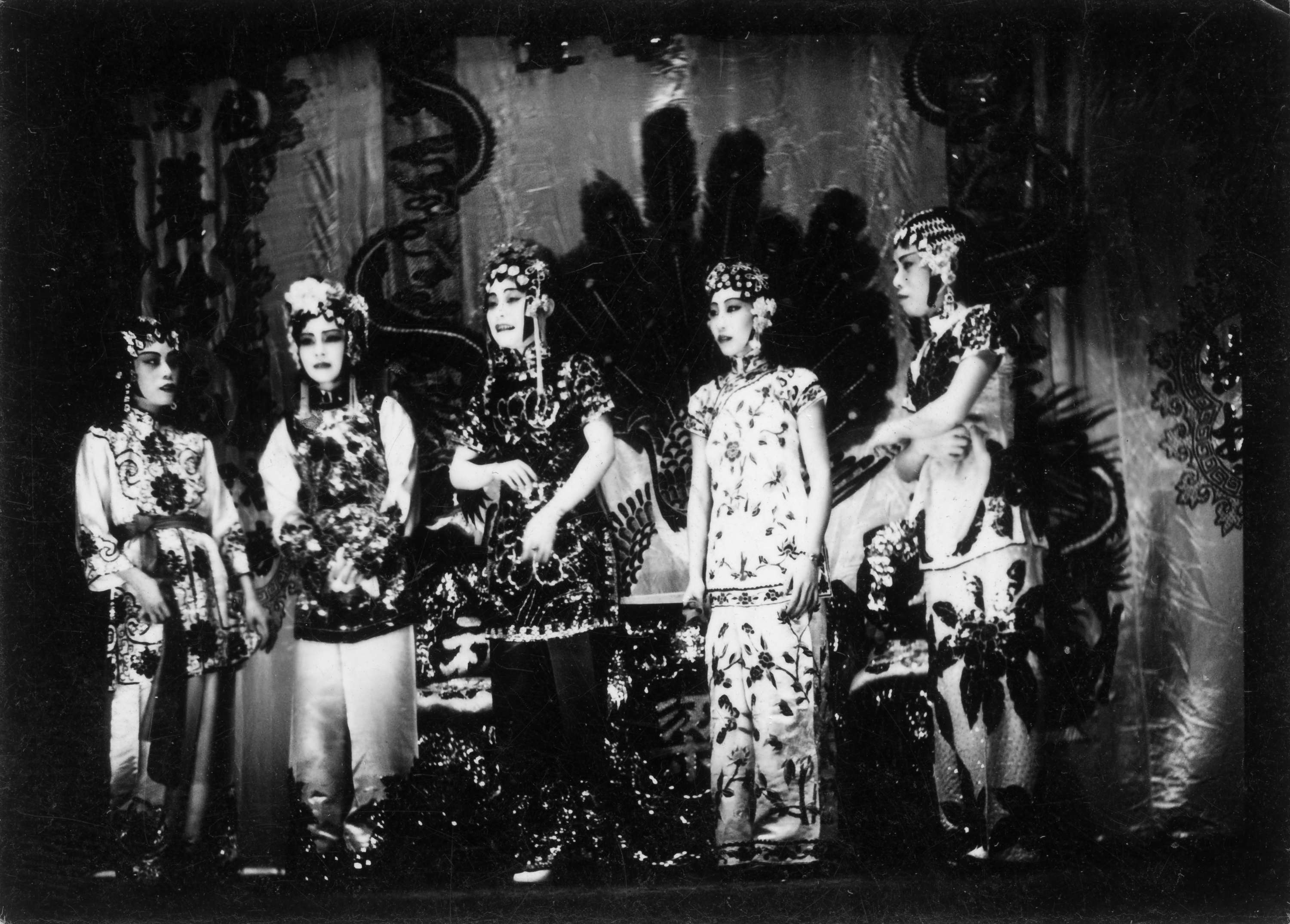
Among the countless performers and musicians who have sustained this art form in Canada since it first appeared in Victoria in the 1860s, a few stand out:
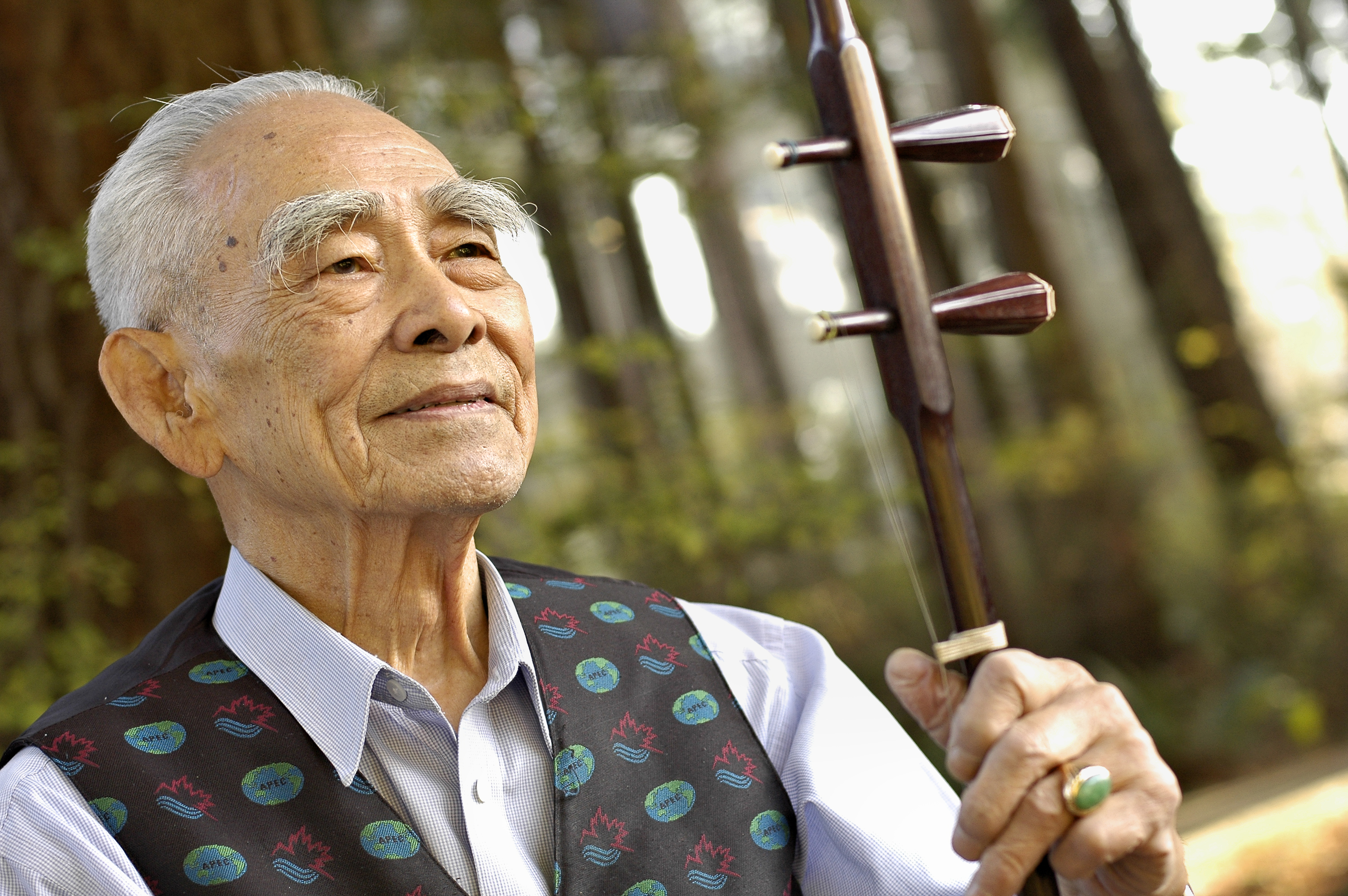
Master Toa Wong 黃滔 (1914–2015)
A pioneering Cantonese opera musician and educator, Master Toa Wong immigrated to Canada in 1961. As lead erhu player with Vancouver’s Jin Wah Sing Chinese Orchestra and the country’s first Cantonese opera music professor, he trained more than two hundred students. Through teaching and performance, he helped preserve Cantonese opera as a living tradition in Canada.
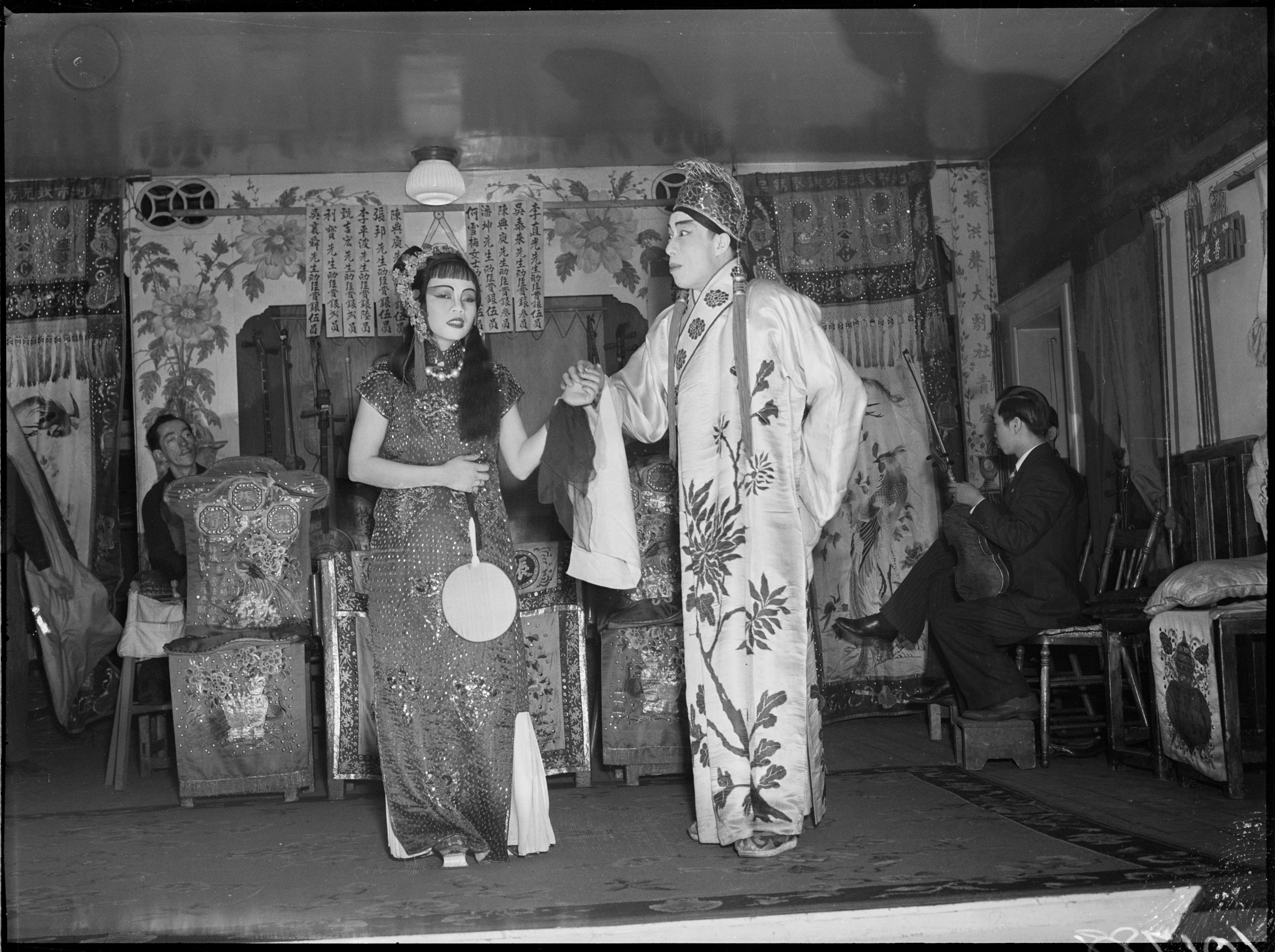
Tse Gar Yin 謝家燕 (1918–2000)
Born in Guangzhou, Tse Gar Yin grew up immersed in Cantonese opera and joined a professional company as a young woman. In 1938, she toured Chinatowns across Canada before settling in Toronto during World War II. Performing into the 1950s and 1960s, she became a central community figure, mentoring younger artists and supporting cultural and fundraising events.
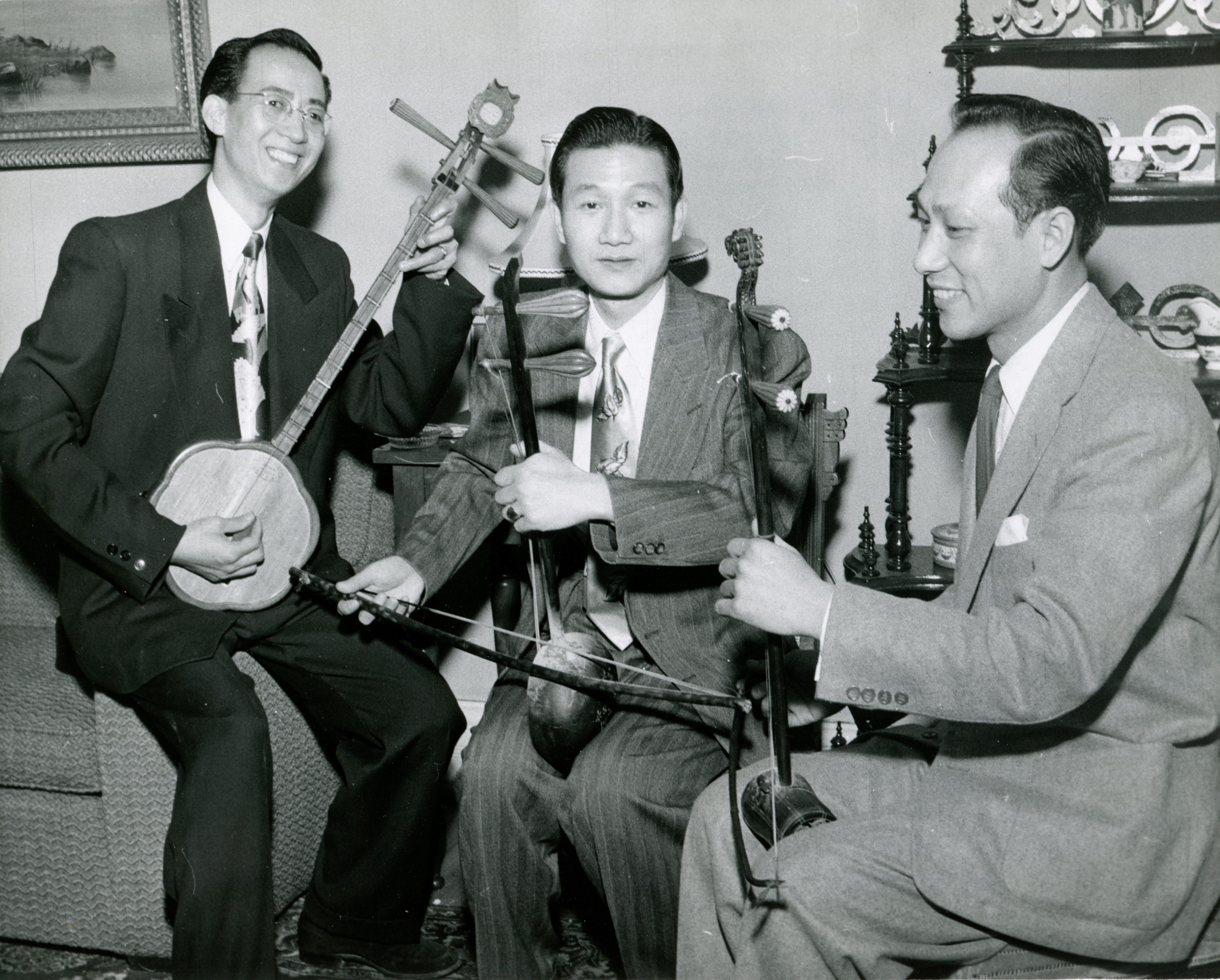
Ho Sing-Wah 何醒華 (1912–?)
Trained in Guangzhou and arriving in Canada in 1939, Ho Sing-Wah played a key role in shaping Cantonese opera in Toronto. A conductor, percussionist, and organizer, he co-founded several opera and music clubs, including Xiao Shao Music Club (簫韶音樂社), Ge Sheng Music Club (歌聲音樂社), Nan Hua Music Club (南華音樂社), and Yet Hoy Cantonese Music Club (粵海音樂社). For over three decades, he helped transform informal gatherings into lasting community institutions and transmit opera traditions to new generations.
Beatrice Jai 廖瑤華 (1928-2017) and Raymond Jai 謝耀光 (1916-2004)
Born in Vancouver, Beatrice and Raymond Jai were active members of the city’s Ching Won Music Association before moving to Toronto. In 1964, they co-founded the Yet Hoy Cantonese Music Club, where Raymond served as music director. Opera shaped both their public work and home life, as rehearsals, costumes, and music became part of everyday family experience.
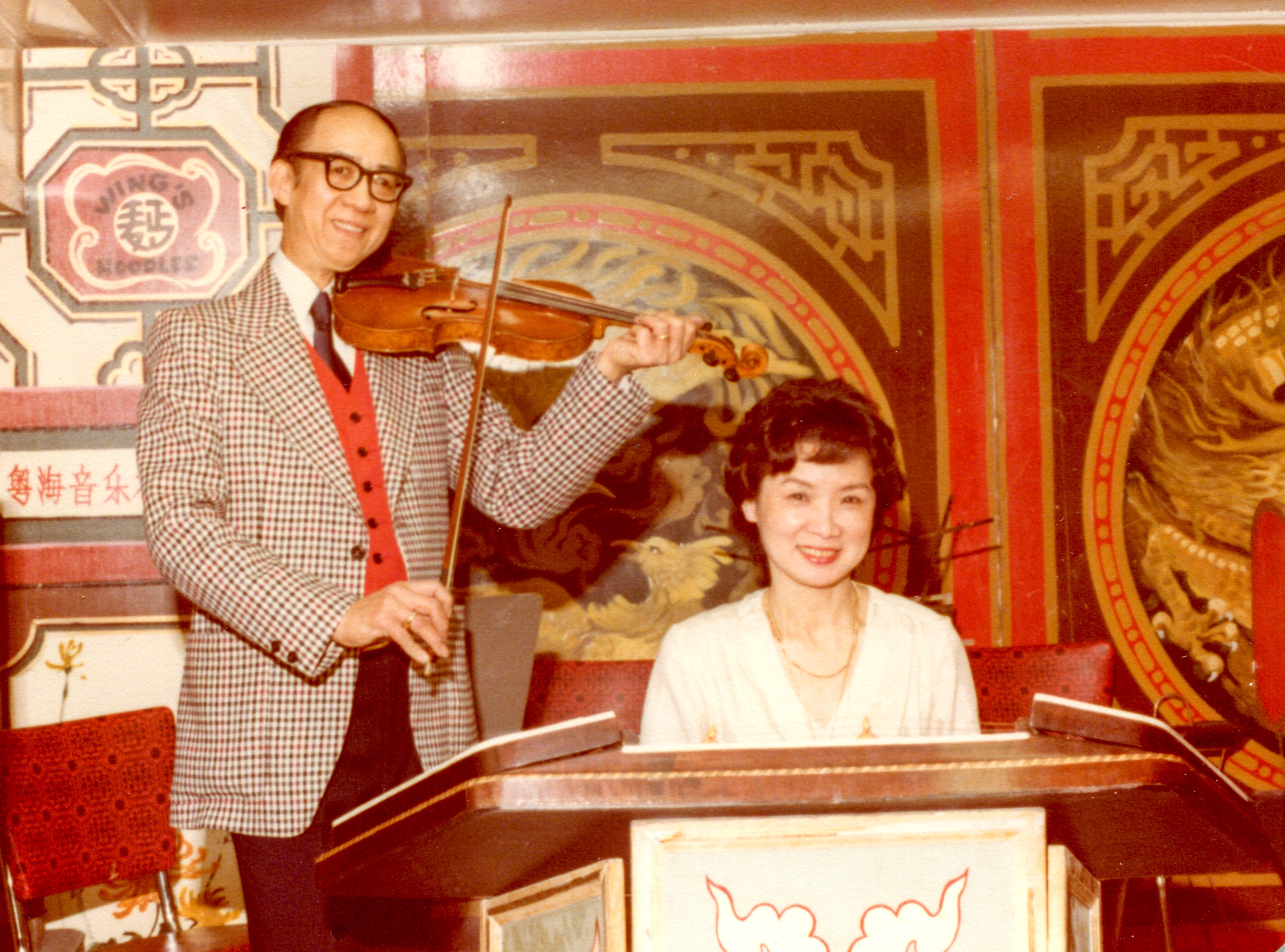
It was only after donating my parents’ archive that I began to understand that this music was part of the soundtrack of Canada.