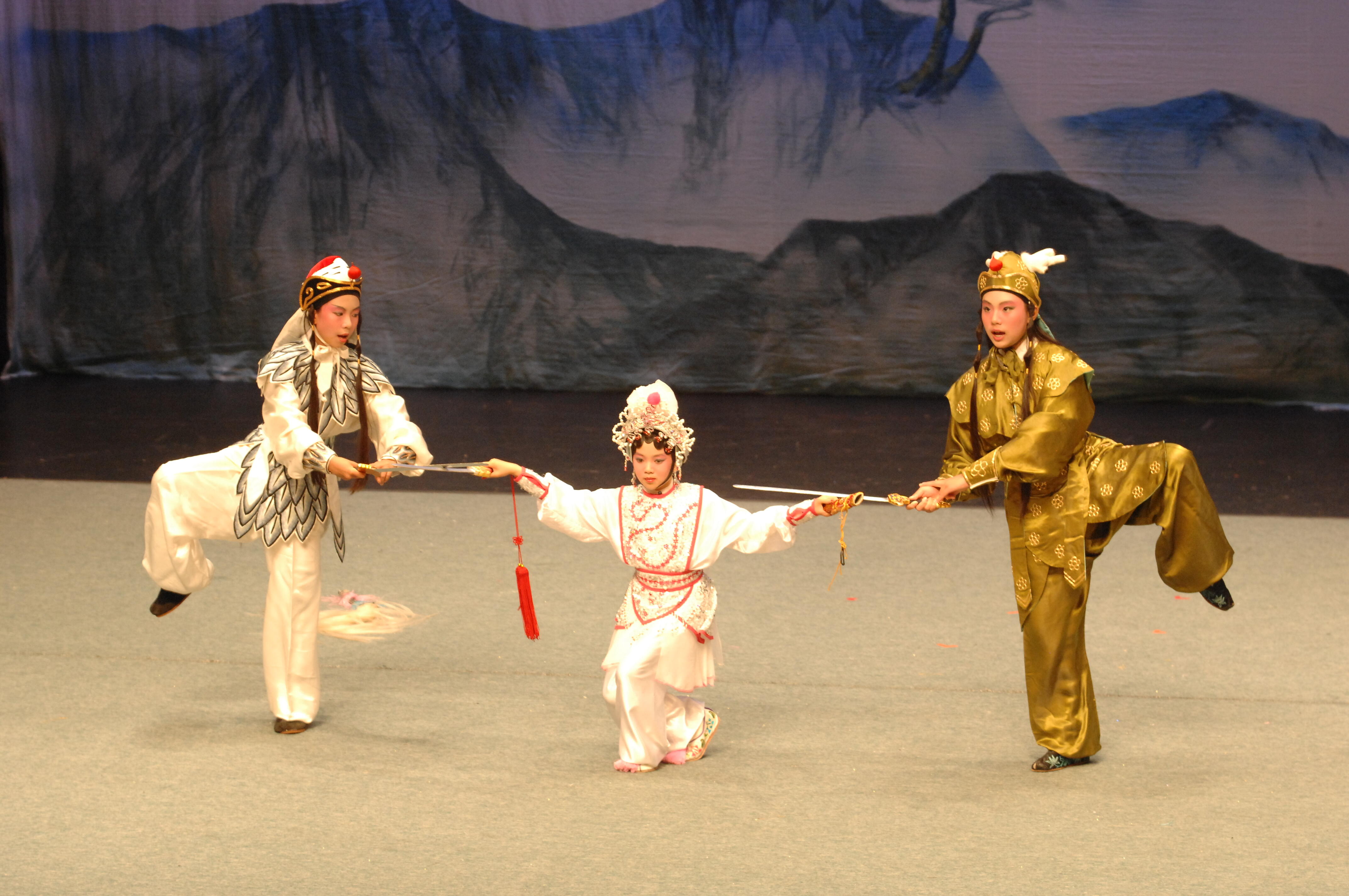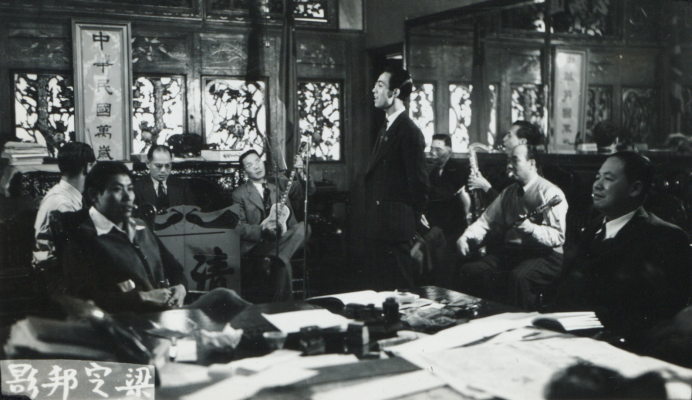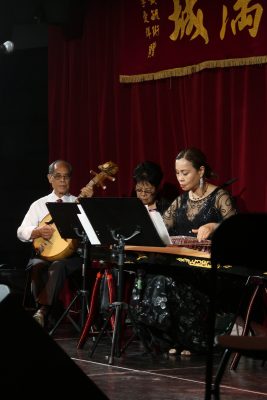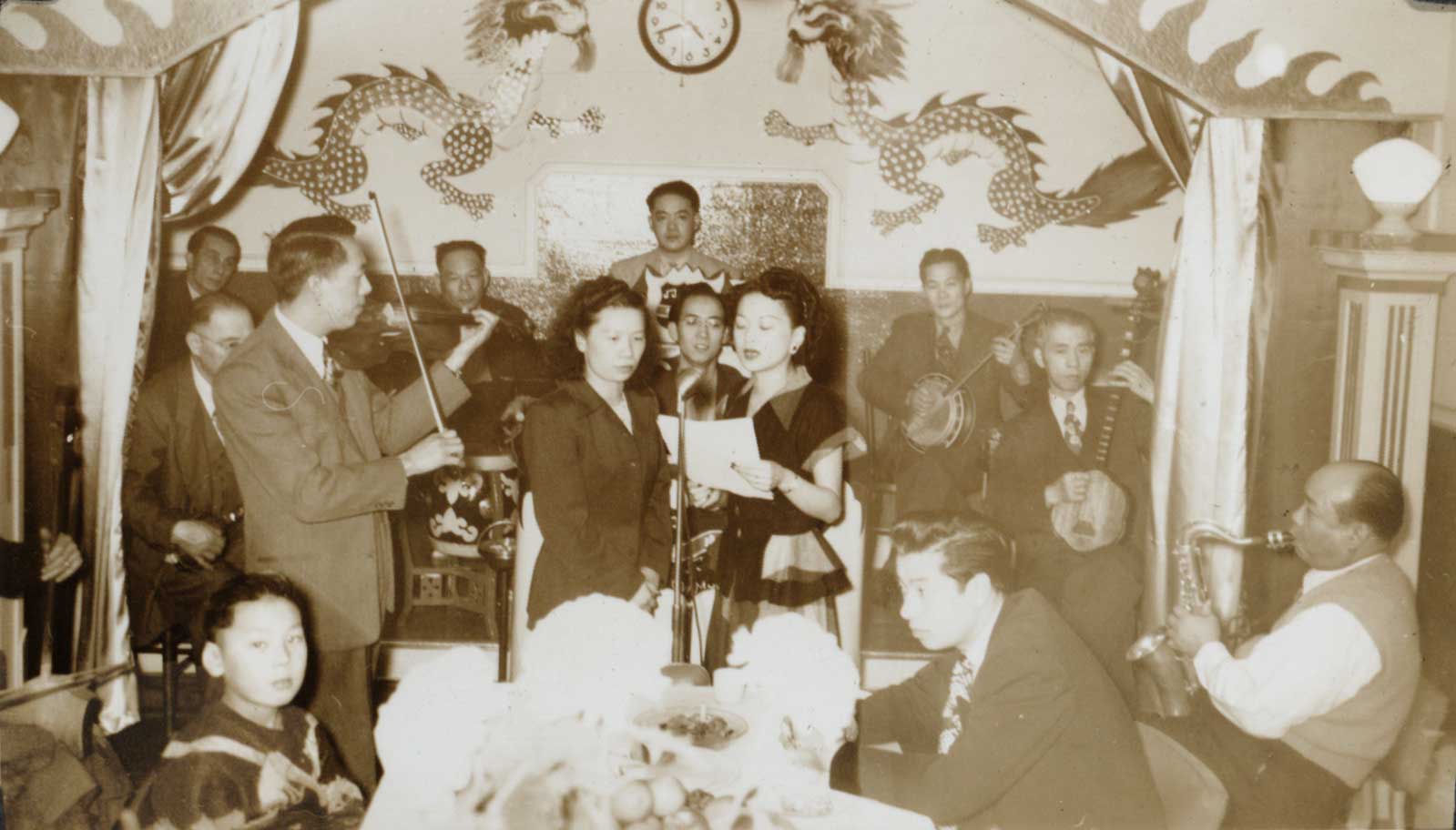
Cantonese opera singing is highly stylized and requires years of training. Traditionally, male roles sing in a natural voice (平喉), while female roles use a higher, falsetto-style voice (子喉). Vocal style also reflects a character’s age, personality, and status. Audiences familiar with Cantonese opera can often recognize who a character is just by hearing a few lines.
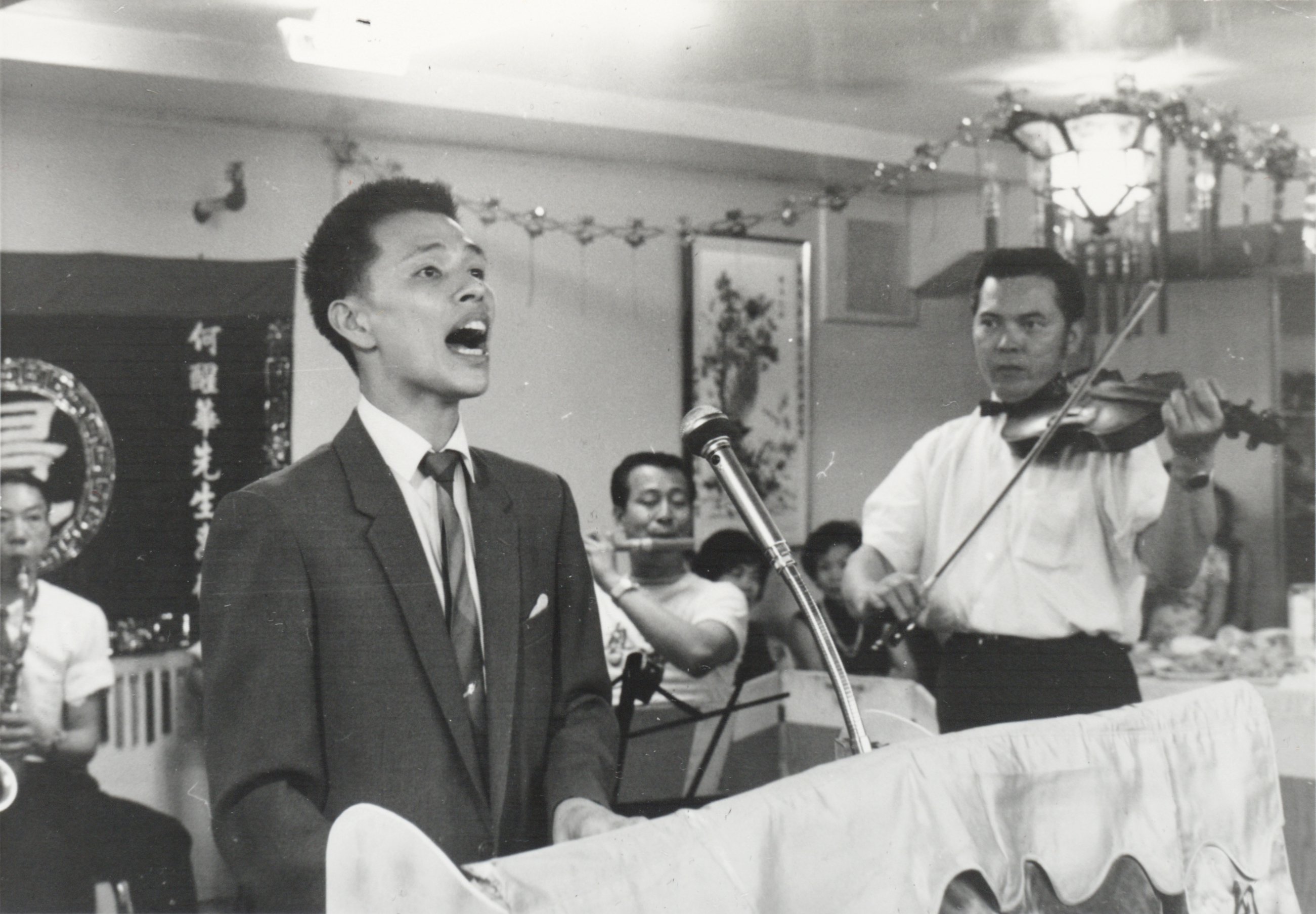
Spoken passages move between poetic, rhymed language and everyday dialogue. This back-and-forth between singing and speaking creates the unique flow of Cantonese opera and helps guide the emotional shifts of a scene.
For Chinese diasporic communities in Canada, this soundscape helps sustain cultural connection. Familiar melodies, vocal timbres, and cadences carry memories of home, even when performances are adapted for venues such as clan halls, community centres, or rented theatres.
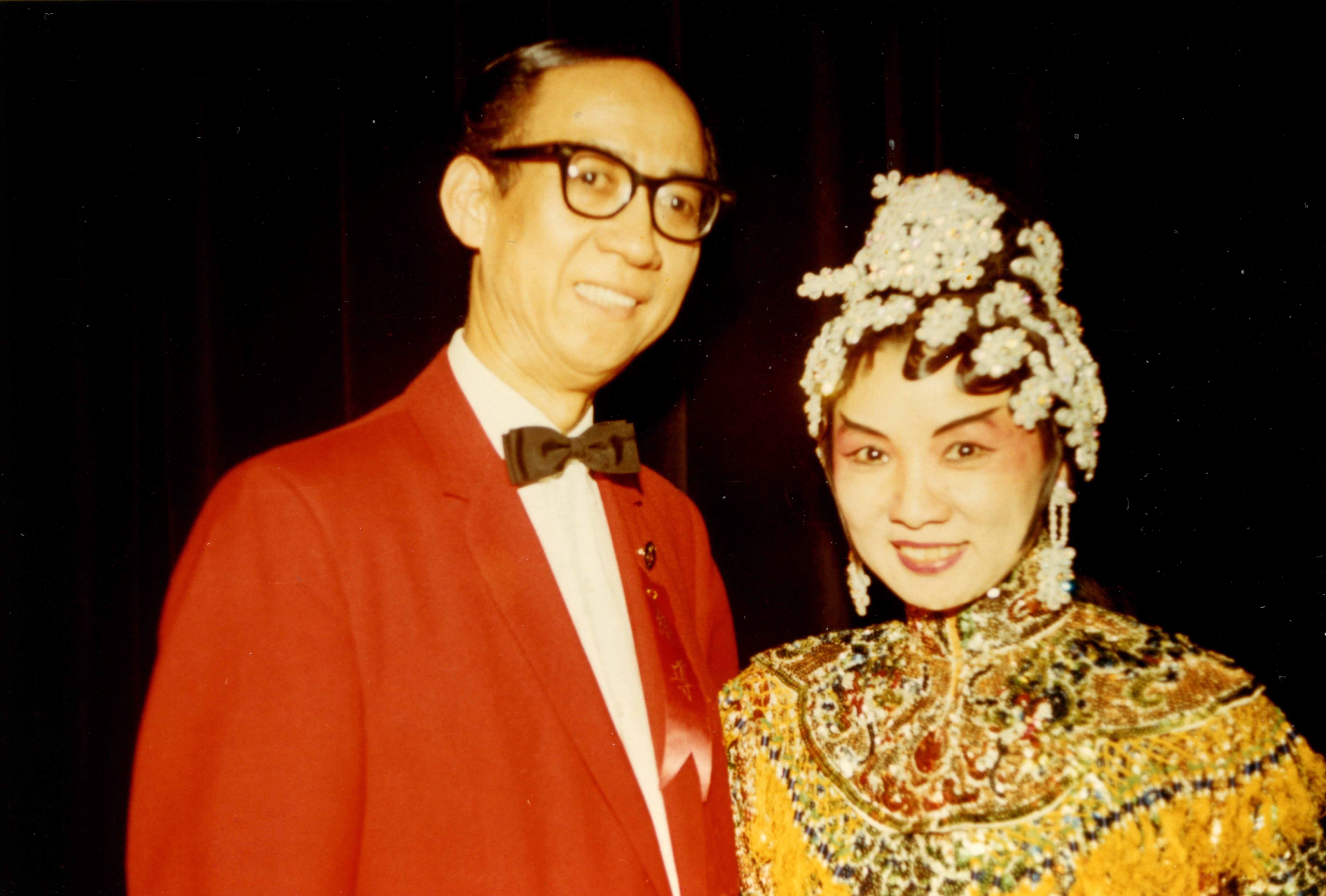
How this knowledge is passed on today
Today, these traditions are passed on through classes, mentorship, and community programs. In Toronto, the Starlight Chinese Opera Performing Arts Centre offers workshops where students learn basic singing, movement, and performance skills. In Calgary, youth programs introduce acrobatics and stage techniques inspired by opera training. Students learn by watching experienced performers, practicing set pieces, and studying recordings.
While the foundations remain strong, performers also adapt. Productions may shorten scenes or update language for contemporary audiences. Cantonese opera continues to evolve, balancing tradition with creativity, and keeping its sound alive for new generations.