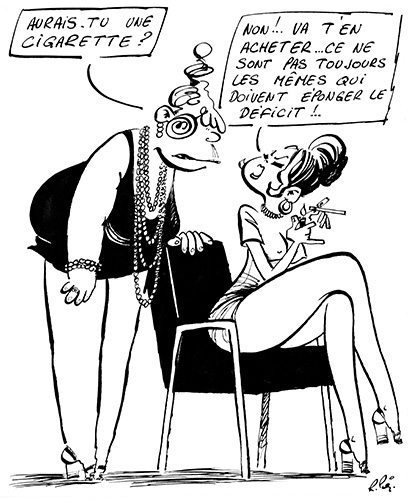
Construction of the Olympic Park got off to a slow start in 1973, and then a global catastrophe hit: a period of uncontrolled inflation. The price of everyday goods jumped, becoming unaffordable for many consumers. Inflation had a huge impact on the Olympic construction sites because the price of building materials skyrocketed as well. For example, the price of steel, which is essential for reinforcing the interior of concrete structures, jumped from $200 a tonne to $1,200.
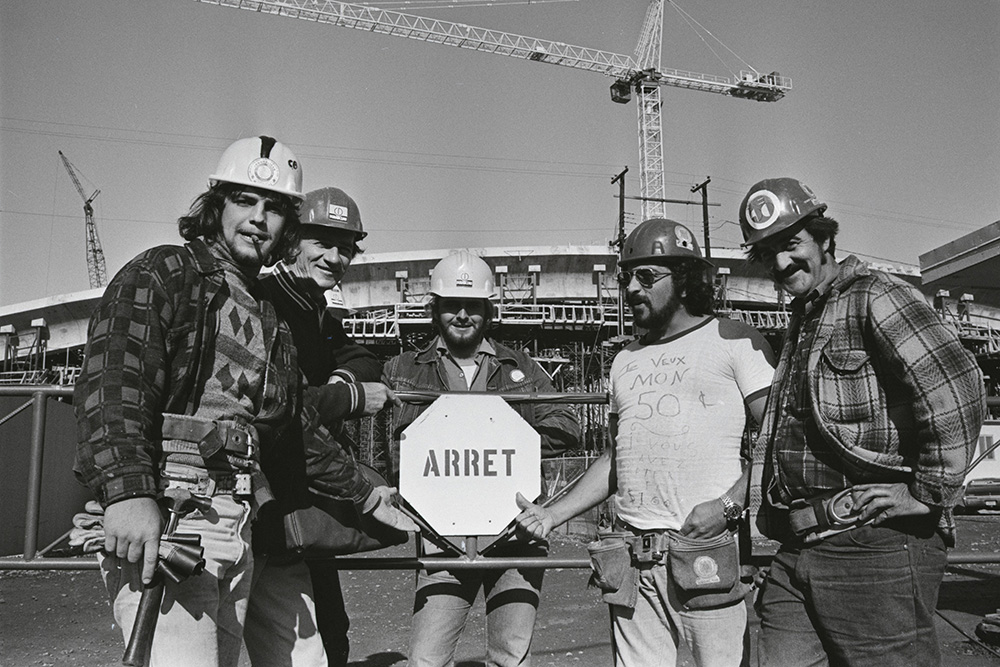
Another major consequence of inflation: the wages negotiated by workers were no longer adequate. Since employers refused to increase them, unions called two massive strikes, one in 1974 and one in 1975, delaying work on the stadium, the pool and the Velodrome. Result: construction progressed very slowly.
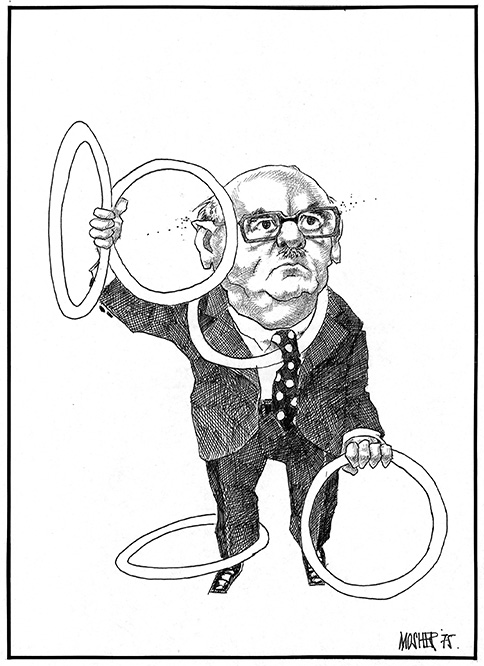
On top of all these challenges was the issue of rampant corruption. According to architect Roger Taillibert, concrete was being diverted from construction sites and sent into the city and surrounding suburbs to “build mansions and pools, at the city’s expense.” That’s right: swimming pools! In 1975, the Quebec government was so concerned that it seized control over the project from Mayor Drapeau and gave it to Victor Goldbloom, the Minister of the Environment and Municipal Affairs.
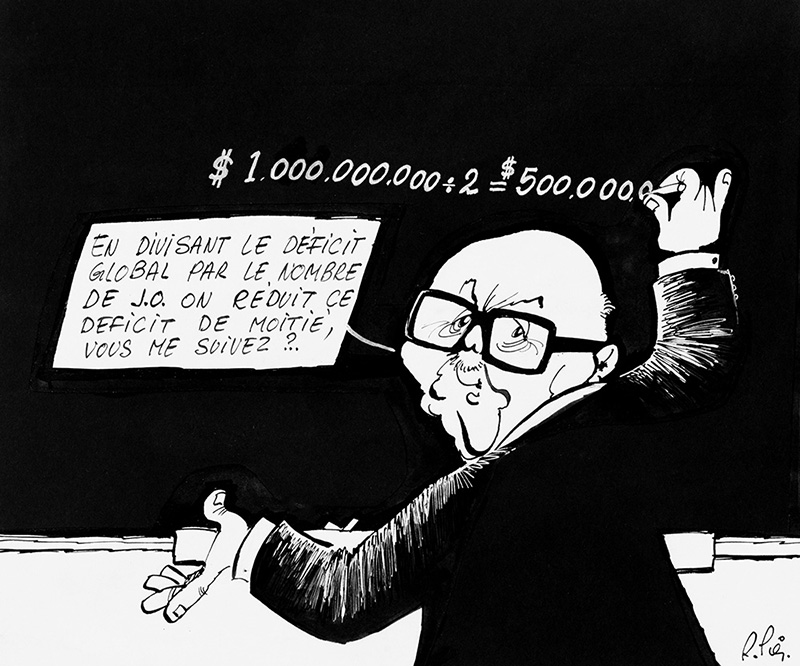
The final bill for the Olympic Park was $2.4 billion and the Olympic debt was not paid off in full until the summer of 2006!
Coin and stamps
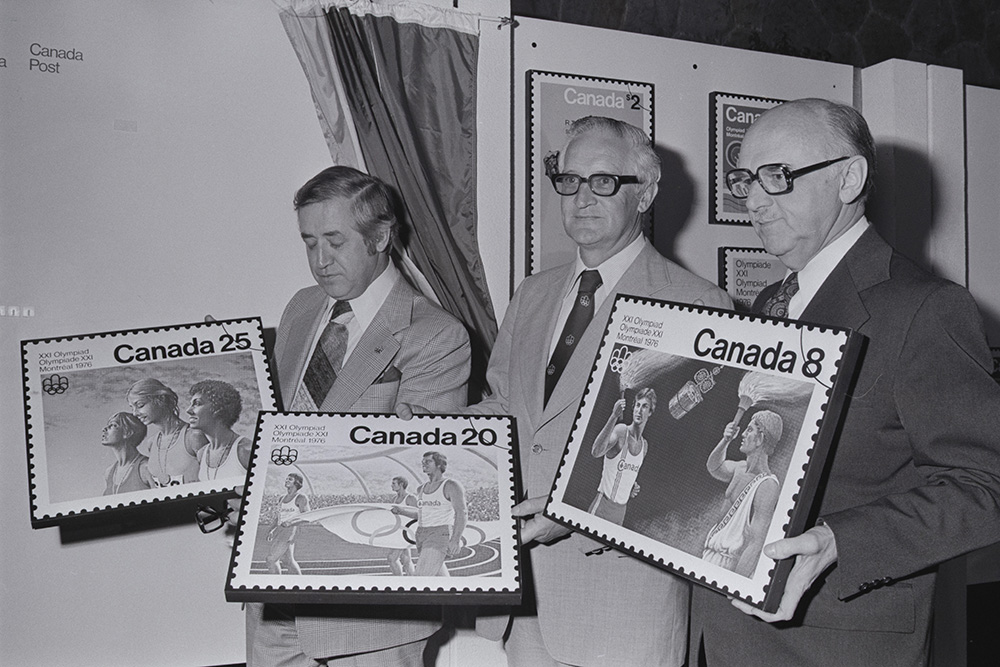
Collectible coins and stamps commemorating the 1976 Games were sold around the world.
Olympic lottery
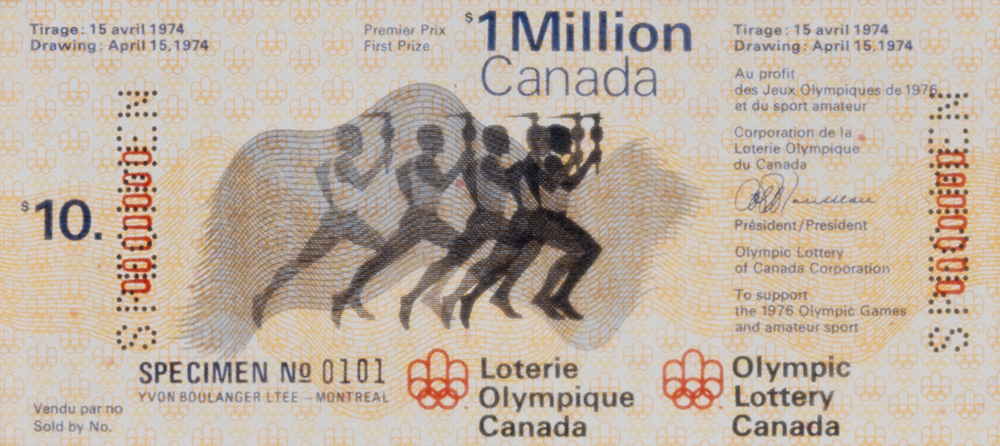
The Olympic lottery was the first in Canada to offer a jackpot of one million dollars. The first winners were a group of female employees from a Quebec cigarette company who shared the amount. Tickets sold for $10 apiece and the lottery generated $235 million in revenues to finance the Games.
Tobacco tax
In the run-up to the Games, the provincial government announced an increase in the tobacco tax to help offset the Olympic debt. This tax was one of the main sources of revenue that helped finally pay off the debt in full in 2006.