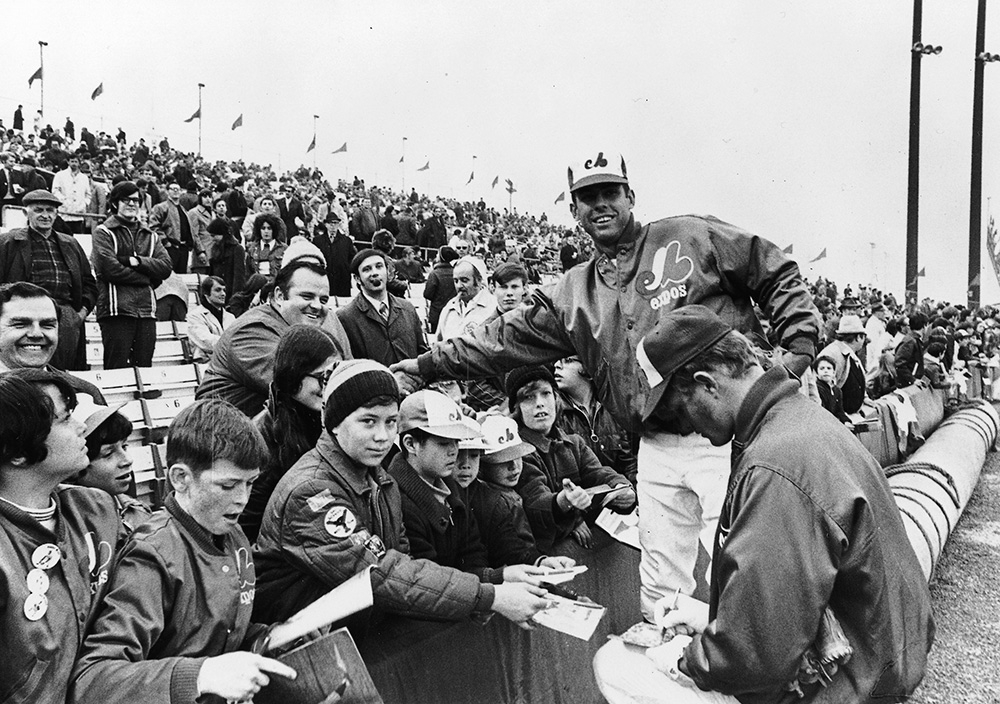
Jean Drapeau served his first term as Mayor of Montreal from 1954 to 1957. A former lawyer, he was only 38 years old when first elected. However, it was not until his re-election in 1960 that he really began to make his mark, uniting Montrealers behind his promise to build the metro. As mayor, he also initiated the construction of the Metropolitan and Decarie expressways, Place des Arts and the Radio-Canada building, in addition to hosting Expo 67, which attracted approximately 50 million visits.
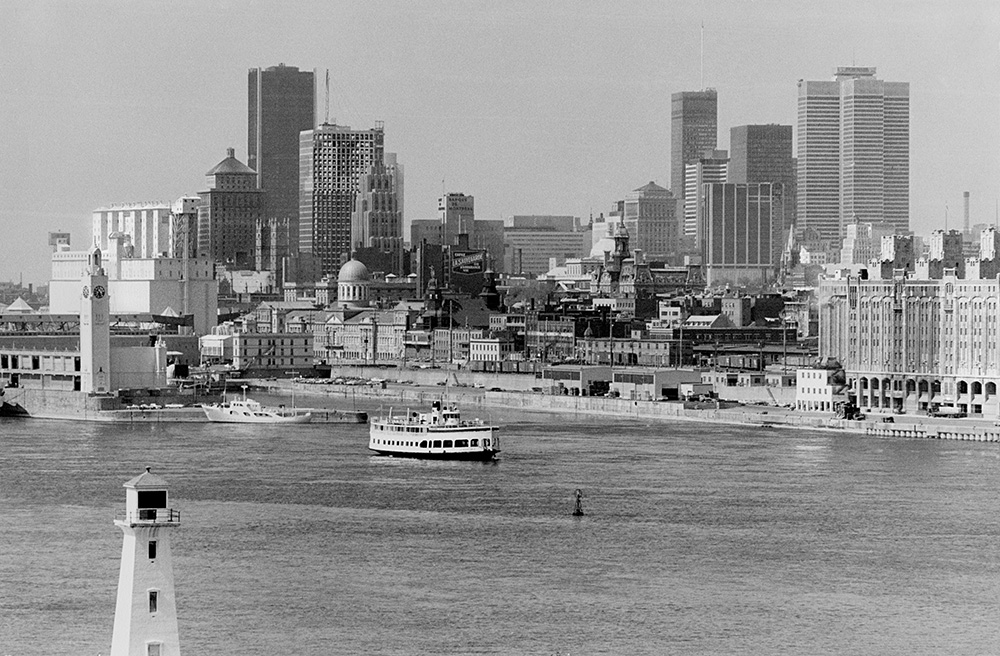
Drapeau aims even higher!
In 1963, on a tour of the Olympic Museum in Lausanne, Switzerland, Drapeau discovered the philosophy of Olympism. Pierre de Coubertin, founder of the modern Games, believed that the Olympics should not just be about sports, but also include the core values of excellence, respect and friendship. Mayor Drapeau thought that having Montreal host the Olympic Games would be an ideal way to inspire young people.
The city submitted its first bid to host in 1965, but Munich, Germany, was chosen instead. On its second try in 1969, Montreal outbid Moscow, the capital of the Soviet Union, and Los Angeles, in the United States, to become the first Canadian city to host the Olympic Games!
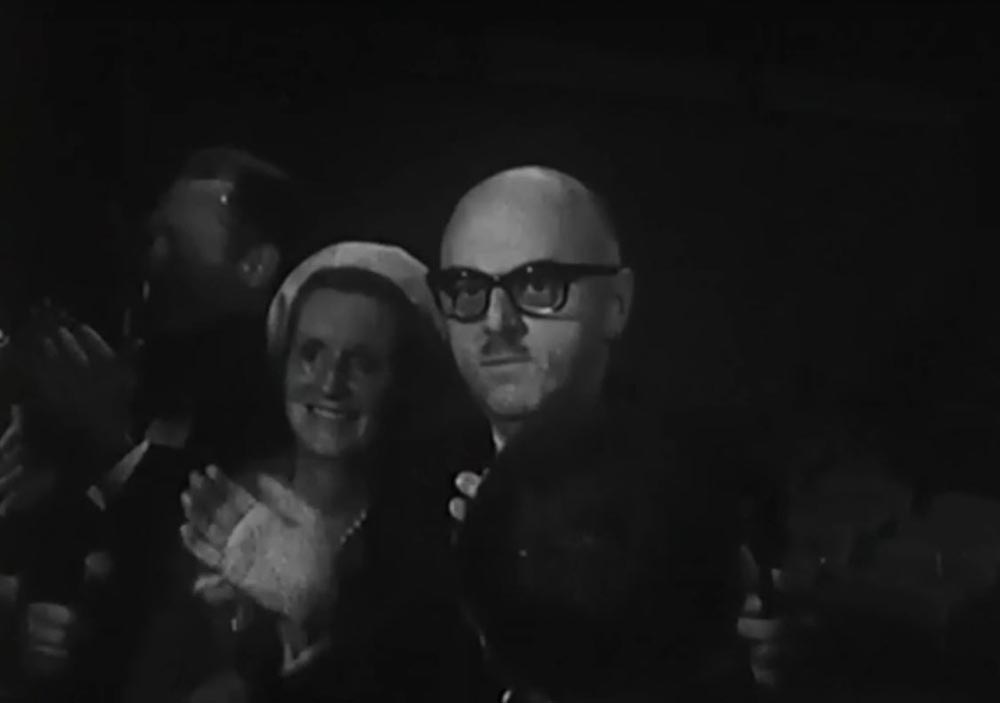
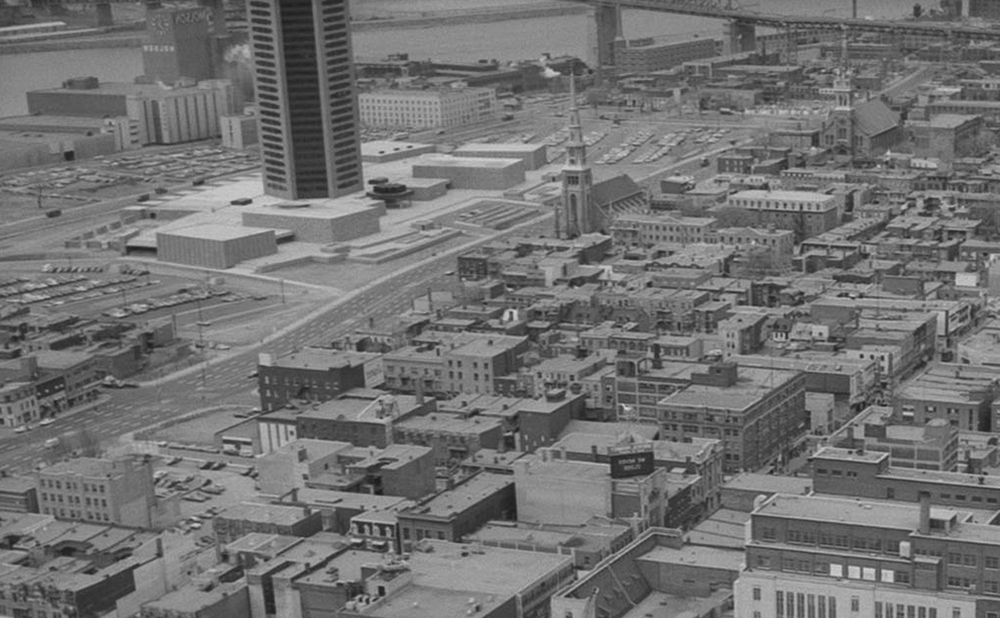
However, some of Mayor Drapeau’s projects could be controversial. For example, he was responsible for the destruction of several working class neighbourhoods, causing approximately 120,000 Montrealers to lose their homes between 1950 and 1970.
In the city’s east end, near the Jacques-Cartier Bridge, the area nicknamed “Faubourg à m’lasse” (Molasses District) was destroyed for the construction of the new Radio-Canada building. M’lasse is a shortened form of mélasse, as many poor families used molasses in place of sugar. Further west, near the Victoria Bridge, the neighbourhood known as “Goose Village” was home to European immigrants from Britain, Ireland, Scotland and France, along with people from rural Quebec. It was torn down because of Expo 67, to make way for the Bonaventure Expressway and the Autostade.
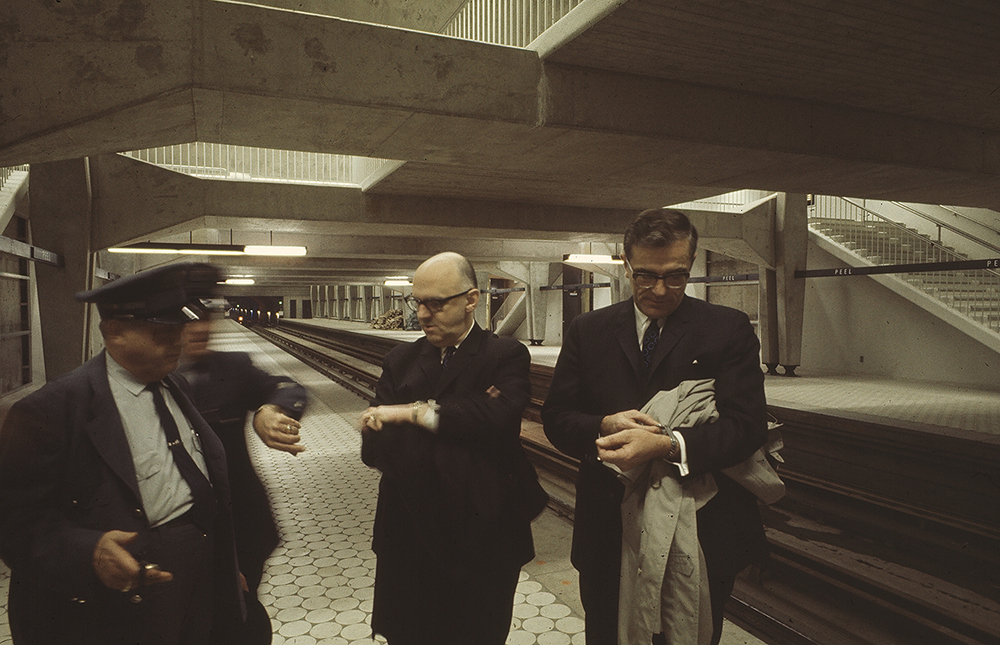
The metro
Several mayors had promised to build a metro, but he actually made it happen! In 1967 when the metro first opened, it had 26 stations. Do you know how many there are today? 68!
Expo 67
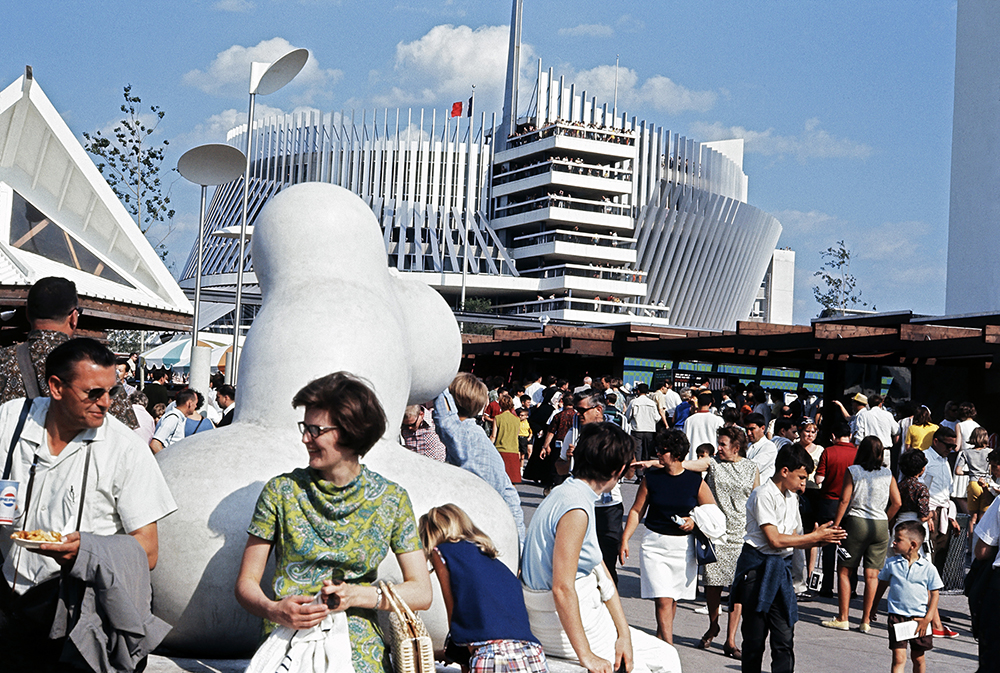
St. Helen’s Island was expanded for Expo 67, and the dirt removed from under the river to create the metro line was used to build Notre Dame Island. Mayor Drapeau even dreamed of borrowing the Eiffel Tower from France for the event, but it would have cost a fortune.
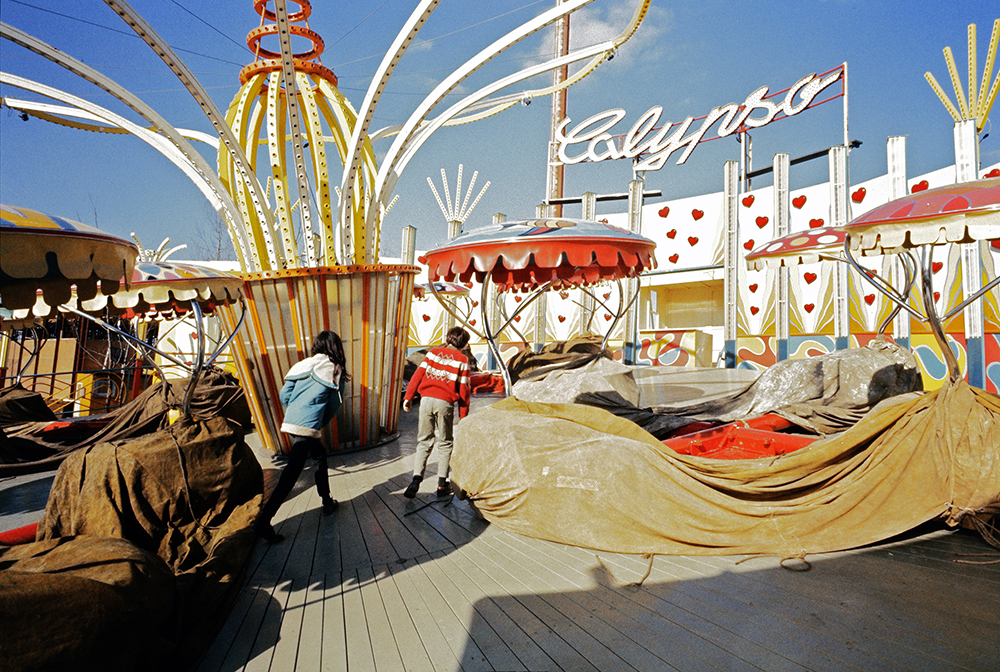
La Ronde
St. Helen’s Island used to sit between Strawberry Island and Round Island. For Expo 67, the three were joined by landfill to create a single island. The La Ronde amusement park is named after the separate island that used to be there!
Montreal Expos
In 1969, the Montreal Expos became the first Canadian major league baseball team. For the first eight years, they played their games in Jarry Park.