

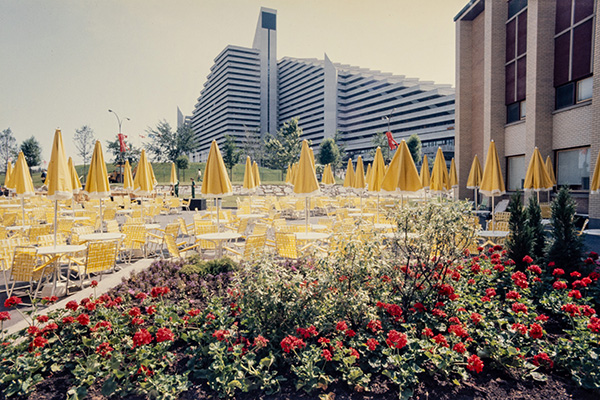
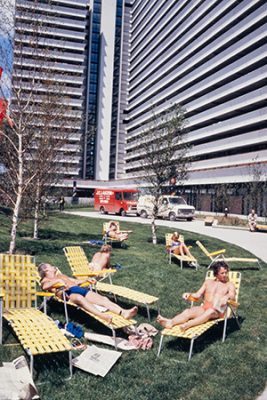
Hosting the Games also means providing comfortable accommodations for thousands of athletes so they can perform at their best on competition day! Nicknamed the “Pyramids” for its unusual shape, the Olympic Village complex could house 11,000 people. In addition to the residents, it had a staff of 5,000, most of whom were students.
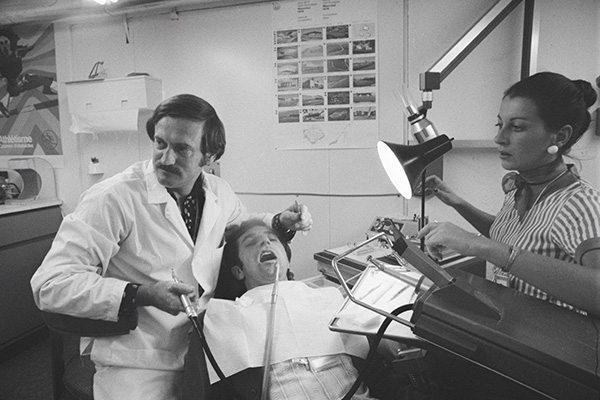
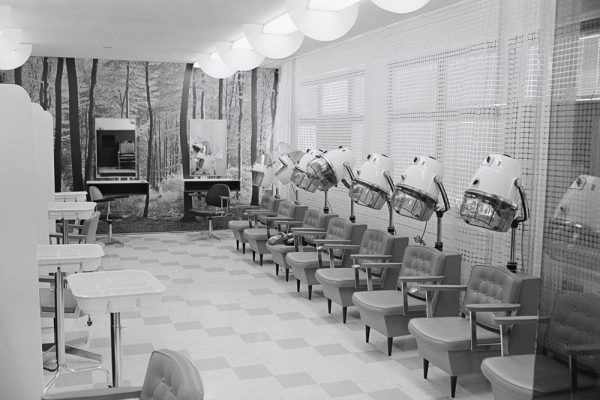
The Village complex also included a disco, hair salon, swimming pool, movie theatre, performance space, rooms for interviews and conferences, a space for religious and spiritual activities, a First Nations craft shop, a flea market where athletes could trade objects, and an open-air theatre where jazz musician Oscar Peterson and the Grands Ballets Canadiens dance company performed.
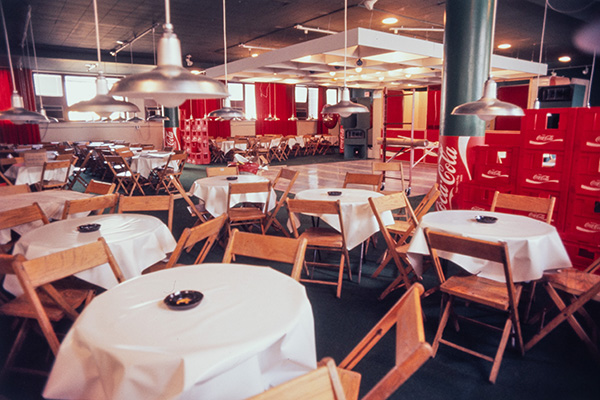
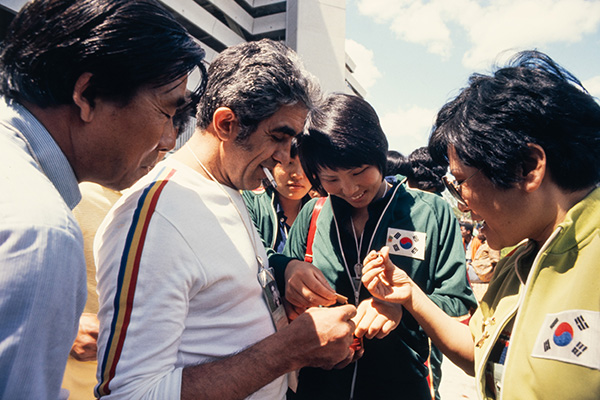
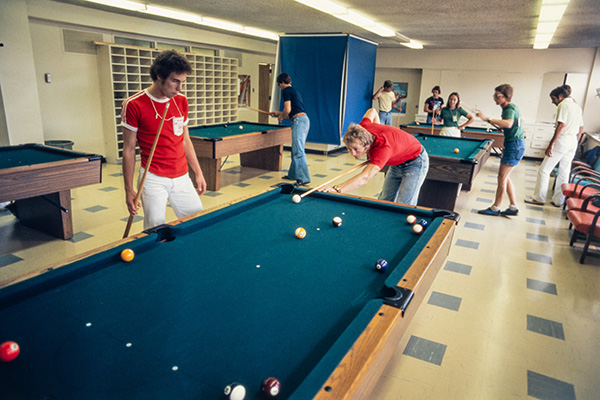
The cafeteria was open 24 hours a day and could serve up to 96 people a minute! The Village was also accessible to members of the public, who could come to meet their idols and ask for autographs.
Olympic athletes are traditionally housed near the primary competition sites. The Pyramids could not have been any closer: they are right across the street from the Olympic Stadium!
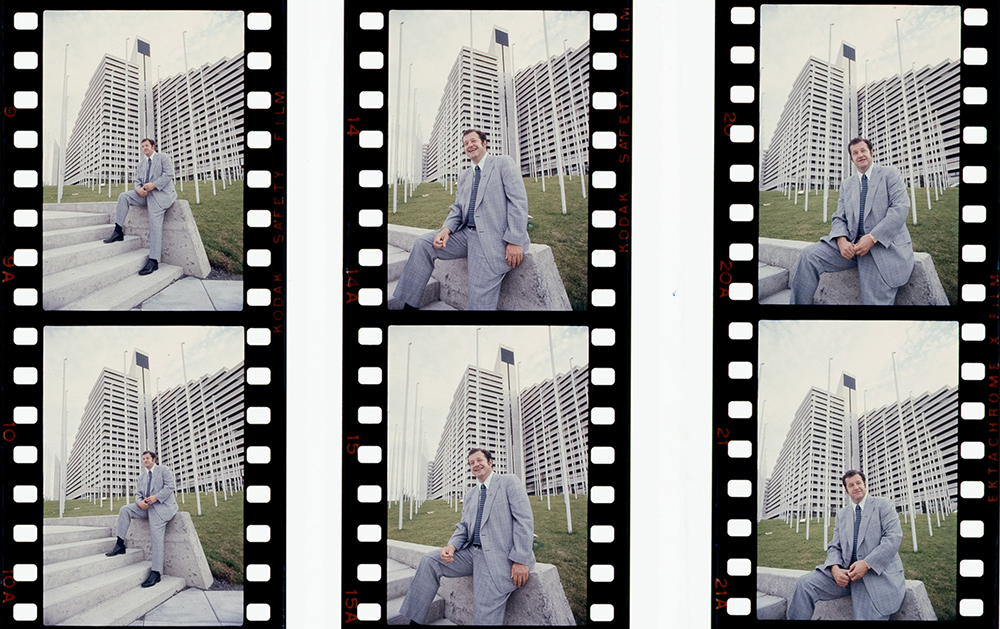
My only goal was to contribute to the development of physical education in Quebec.