In Ancient Olympia, sacred fires were kept burning throughout the Games at the temples of the gods Zeus and his wife Hera, as well at the event sites. The modern ritual of relaying the torch from Greece to the host country only started in 1936, at the Berlin Games in Germany. Since then, some forty flames have been carried around the world by a variety of sometimes unexpected means of transport: pack animals, skiing, swimming, parachute, snowmobile, plane, and even by drone!
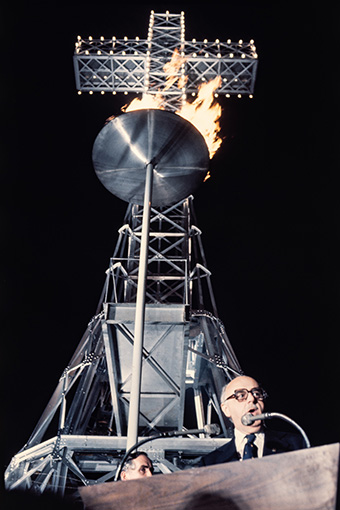
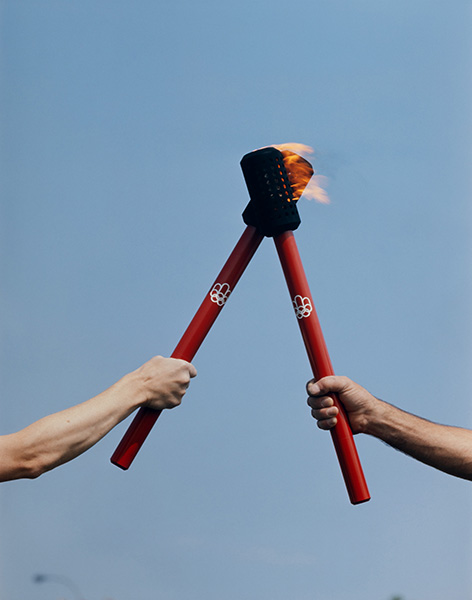
In 1976, Montreal introduced its own innovation: the Olympic flame was transferred electronically, by satellite, no less! When the signal arrived, it activated a laser beam to light the urn in Ottawa. The flame was then relayed by a series of torchbearers to Montreal, where two urns were lit: one at the top of Mount Royal (for one night only), then at the Olympic Stadium, where the flame burned for the duration of the Games.
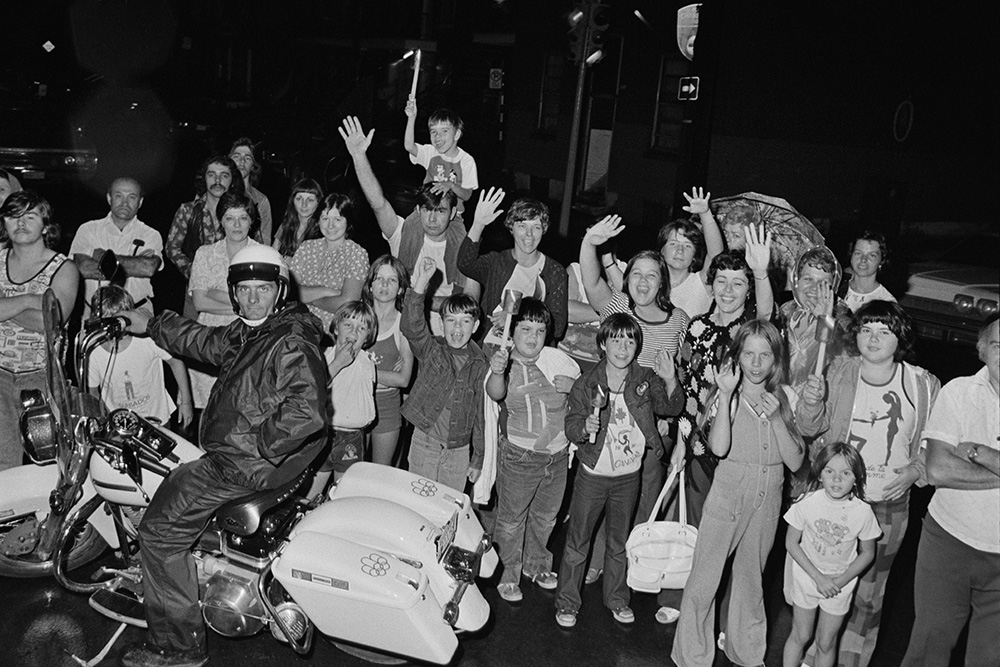
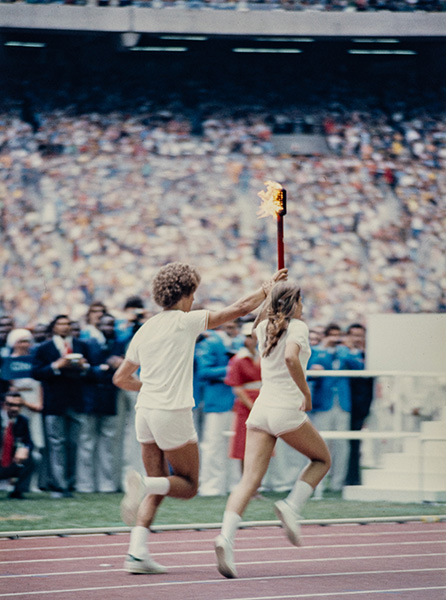
Traditionally, the cauldron was lit during the opening ceremony by an Olympic gold medallist. In Montreal, however, the organizers decided to put youth in the spotlight instead.
On July 17, Sandra Henderson, a 16-year-old English-Canadian gymnast, and Stéphane Préfontaine, a 15-year-old French-Canadian runner, together lit the Olympic cauldron. It was a moment that neither one would ever forget!
The gesture was designed to reflect the country’s optimism, openness and two-sided nature. Although this vision reflected the thinking of the time, it completely ignored the presence and history of Indigenous peoples, who had occupied the land long before the two so-called “founding” nations.
The original Olympic cauldron now sits on the corner of Sherbrooke Street and Pie-IX Boulevard. Every year on July 17, and during every Summer Olympic Games, the flame is lit to commemorate this defining moment in Montreal’s history.
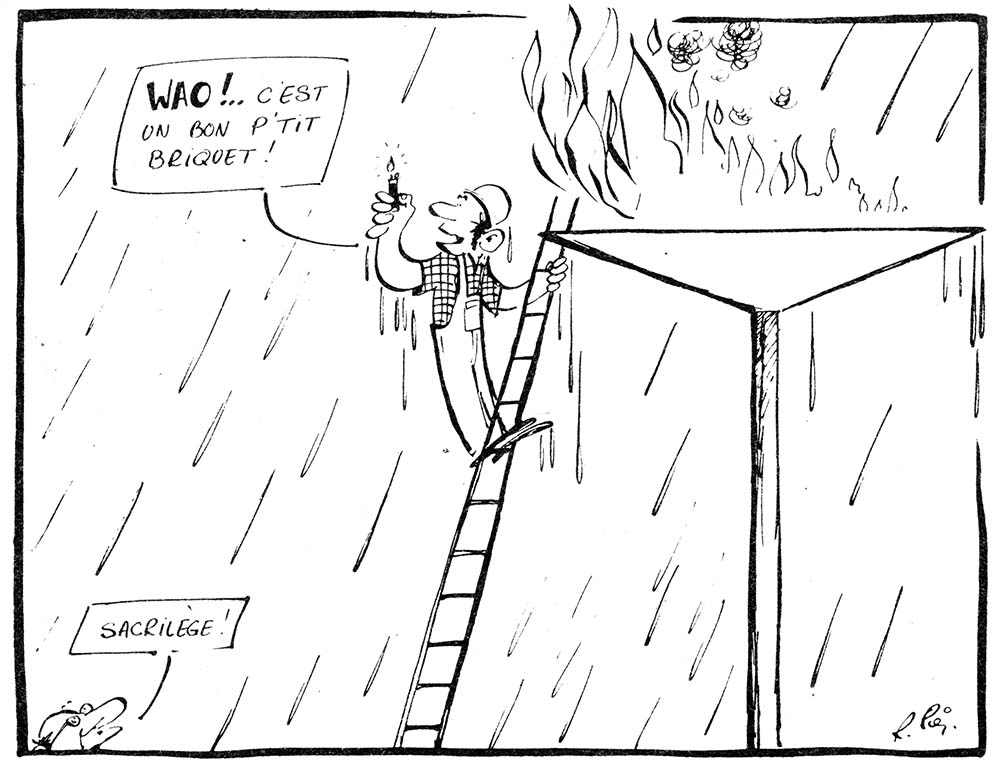
A handy cigarette lighter
When heavy rain extinguished the Olympic flame during the Games, a well-meaning but misinformed employee relit the cauldron—with a cigarette lighter! Officials then had to put out this flame and relight it using a backup source containing the original sacred flame from Olympia.