

Interview with Julie Jai
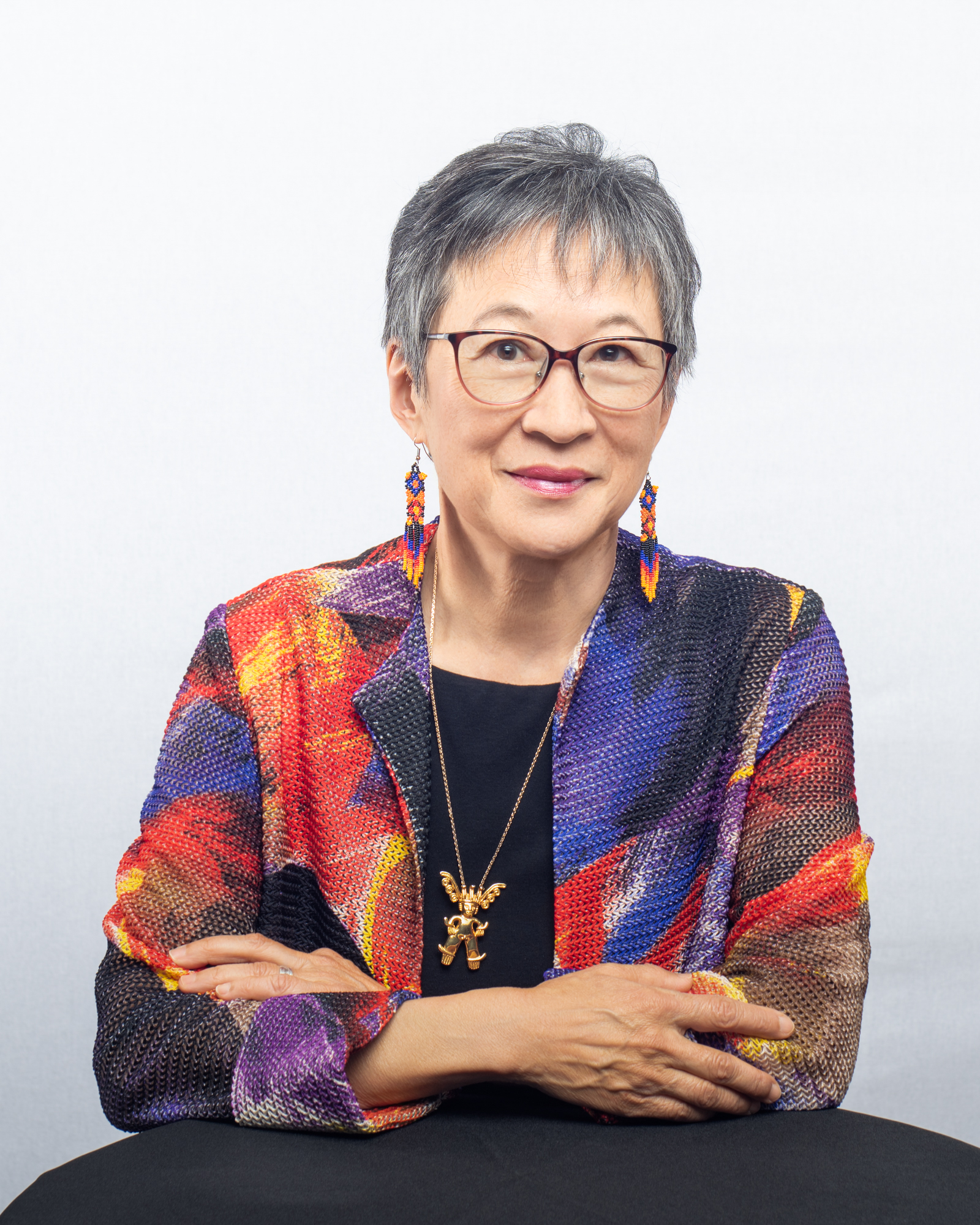
Julie Jai, 2025.
As members of Ching Won Musical Society in Vancouver and later co-founders of Yet Hoy Cantonese Music Club, Beatrice and Raymond Jai performed in clubs, restaurants, and community halls. They toured nationally and appeared in Detroit. Julie has worked to preserve their recordings, scores, and photographs, now held at the Beatrice and Raymond Jai Cantonese Opera Collection at the University of Toronto, one of the most complete family archives of Cantonese opera in Canada.
So, my mother moved to Toronto in 1950 with one of her older sisters. My Aunt Flo and my mother told me that they moved here to Toronto because they felt there would be more opportunities here. And I think, what she didn't say overtly to me, was that they were really escaping very overt anti-Chinese racism in Vancouver and British Columbia. Which… she certainly did recount some stories to me that were things that she found really oppressive and humiliating. And, she felt it was much better in Toronto. So, she and her sister moved here, and then soon after my dad came and asked her to marry him, and they got married here in Toronto.
Well, my dad, as I said, went back to Canton when he was about two years old because his mother had five children, he was the youngest. And their father died when they were in Vancouver. So she took the family back to China. And so he grew up in China, and then benefited from having that sort of classical Chinese education, focusing on art. So that's what he was able to bring back to Canada when he returned. And then he taught my mom.
They would do full operas, I mean, that would only be like once every two years or something. Like, it’s a huge effort to mount something like that. We always rented this theatre at Ryerson, which is now TMU. And that was quite a large theatre, like over a thousand seats in that theatre. So, [laughs] I remember performing on that stage. Like, that's a pretty large stage. And it was always sold out. It was a huge deal in the Chinese community. Which, at that time, in the 60s and 70s, the time that I remember being involved, was almost all Cantonese. So that's changed a lot now. But at that time, the Chinese Canadian community was mostly from this one area in the south of China. It was quite a close community, and certainly my parents were extremely well-known because, you know, we couldn't walk down Chinatown without my dad being stopped many, many times by people, you know, wanting to talk to him. And he basically knew everyone at the time, which would today be impossible.
My father died before my mother did, and then when she died, about seven years ago, I was left with all of their possessions, which I had to go through. And I recruited somebody who I had just met, because I needed somebody who could read Chinese. And so she, [my] now good friend Yi Ming Chen, helped me go through this material. And she said, this is really important material. You can't throw it out. You have to keep it somehow. So she connected me with the U of T library, and through that process, I ended up donating most of my parents' archive to U of T.
And it's actually only after donating my parents' archive to U of T and attending some events, like the U of T organized a couple of symposia where they had academics discussing the material. And one of the people who spoke, a professor who's like an ethnomusicologist, talked about how this music was part of the soundtrack of Canada.
And that was something I had never realized before. I never understood, because my parents used to say, well, this is kind of, yes, it's a big thing in the Chinese community, but it really doesn't count, because it's not like a mainstream thing. So only now am I starting to understand.