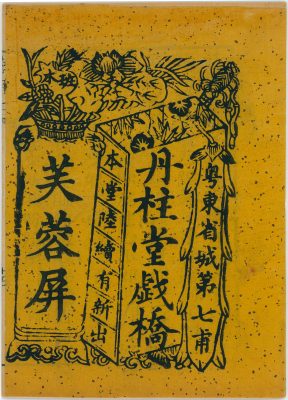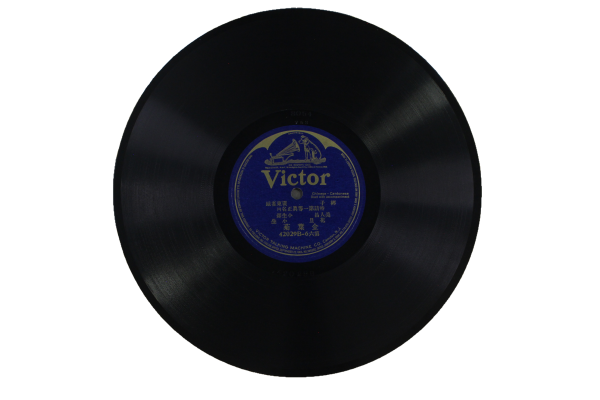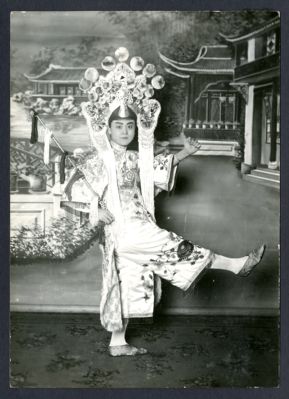
Cantonese opera uses a large collection of shared melodies called qupai (曲牌). Instead of learning brand-new music for every opera, performers adapt these melodies with new words and stories. While the lyrics may change, the melodies carry emotional meanings that experienced listeners recognize immediately, helping them follow the story and feel the mood. This approach gives Cantonese opera both flexibility and resilience as these melodies can be reworked for new performances while still connecting with past generations.
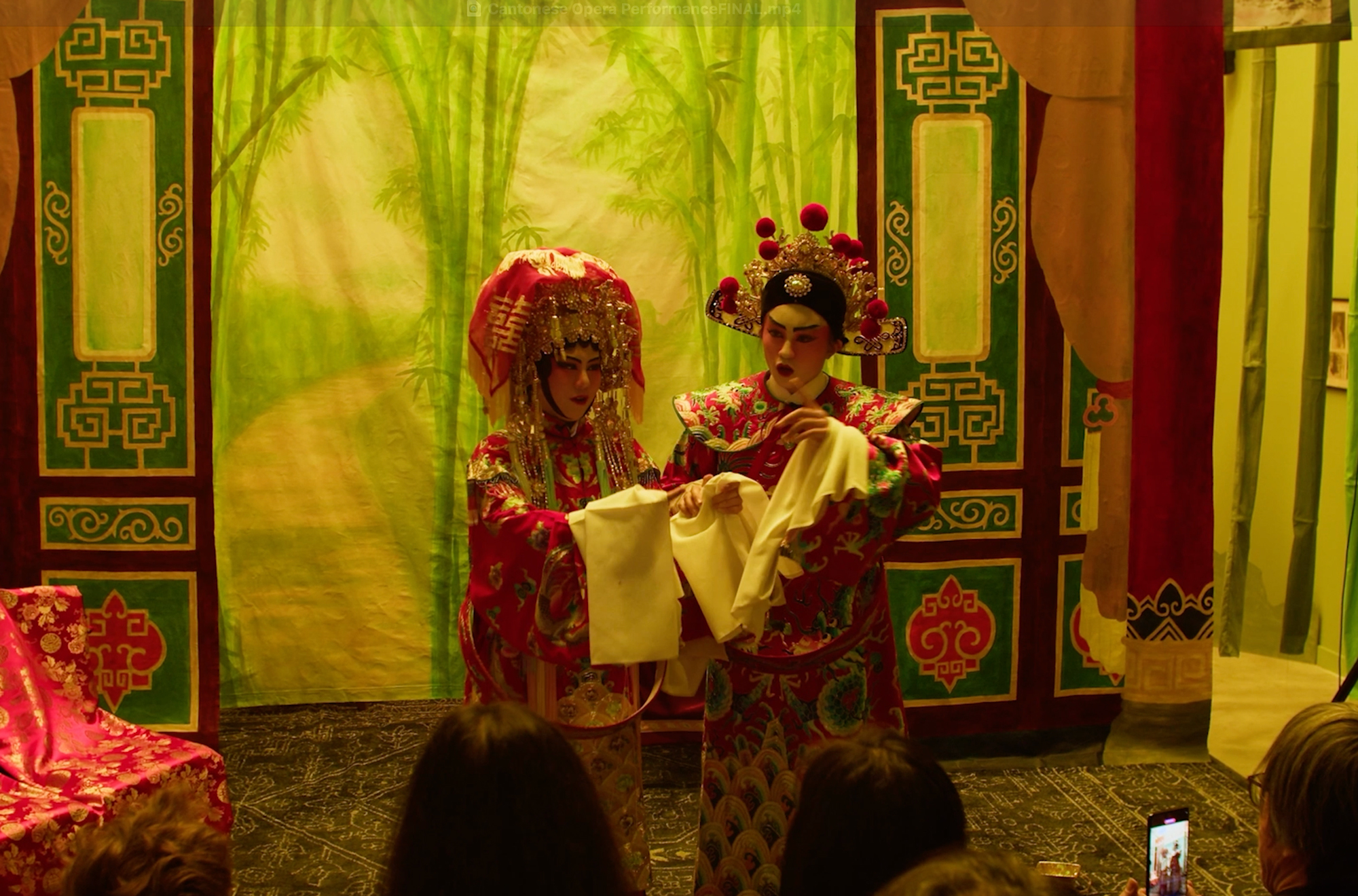
Cantonese operas are often described as civil (文戲) or martial (武戲). Civil plays focus on emotion, relationships, and moral dilemmas. They emphasize singing, spoken dialogue, and expressive gestures, often telling stories of love, loyalty, betrayal, or political intrigue. Well-known civil operas include Di Nü Fa (The Flower Princess / Princess Chang Ping)《帝女花》and The Legend of the Purple Hairpin《紫釵記》.
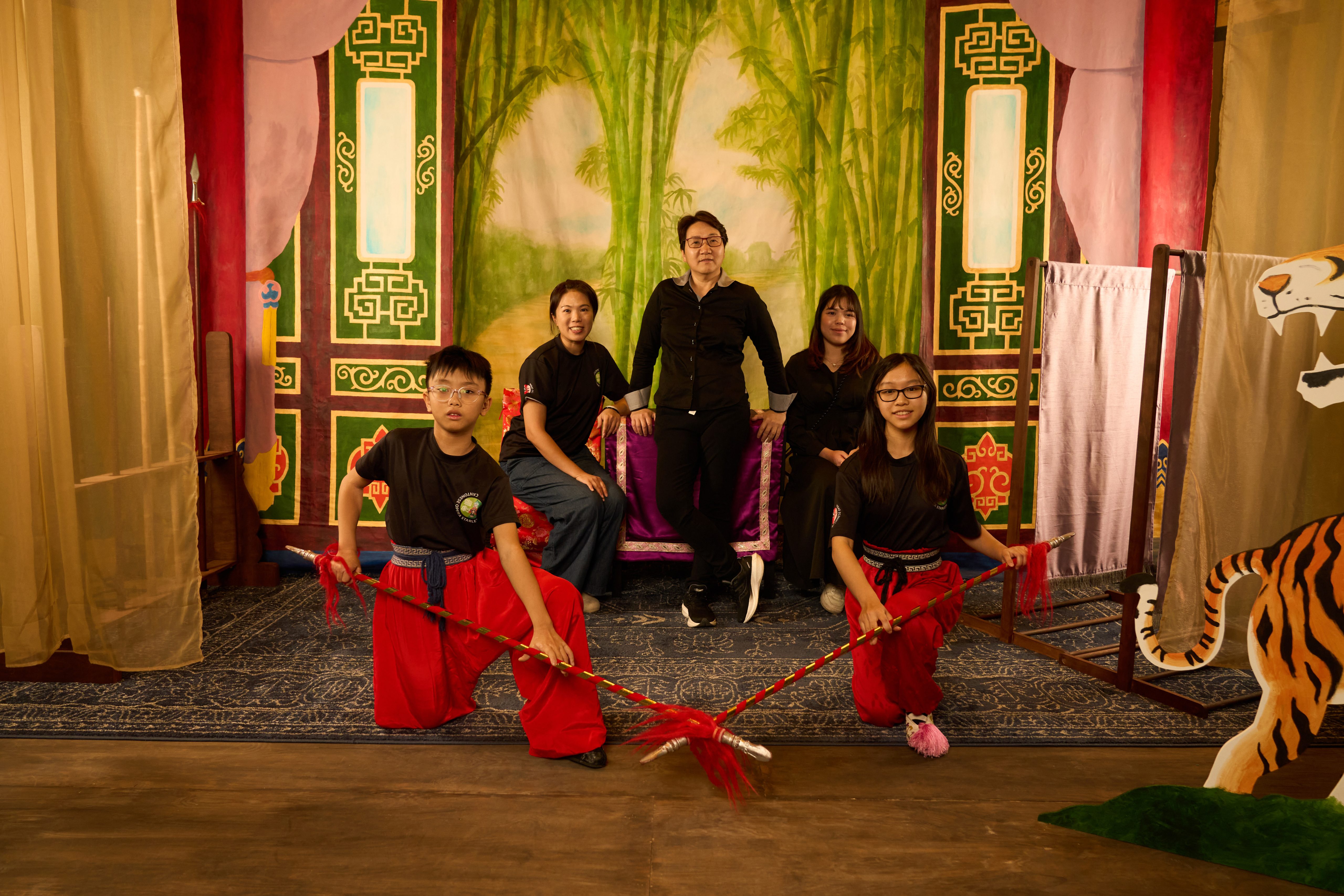
Martial operas are action-packed, with an emphasis on combat and physical virtuosity. They feature choreographed fighting, acrobatics, weapons work, and strong percussion to drive the pace of the performance. Characters in martial plays are usually generals or warriors. A classic example is Wu Song Fights the Tiger 《武松打虎》, which showcases heroism and moral courage through stylized combat and athletic skill.