

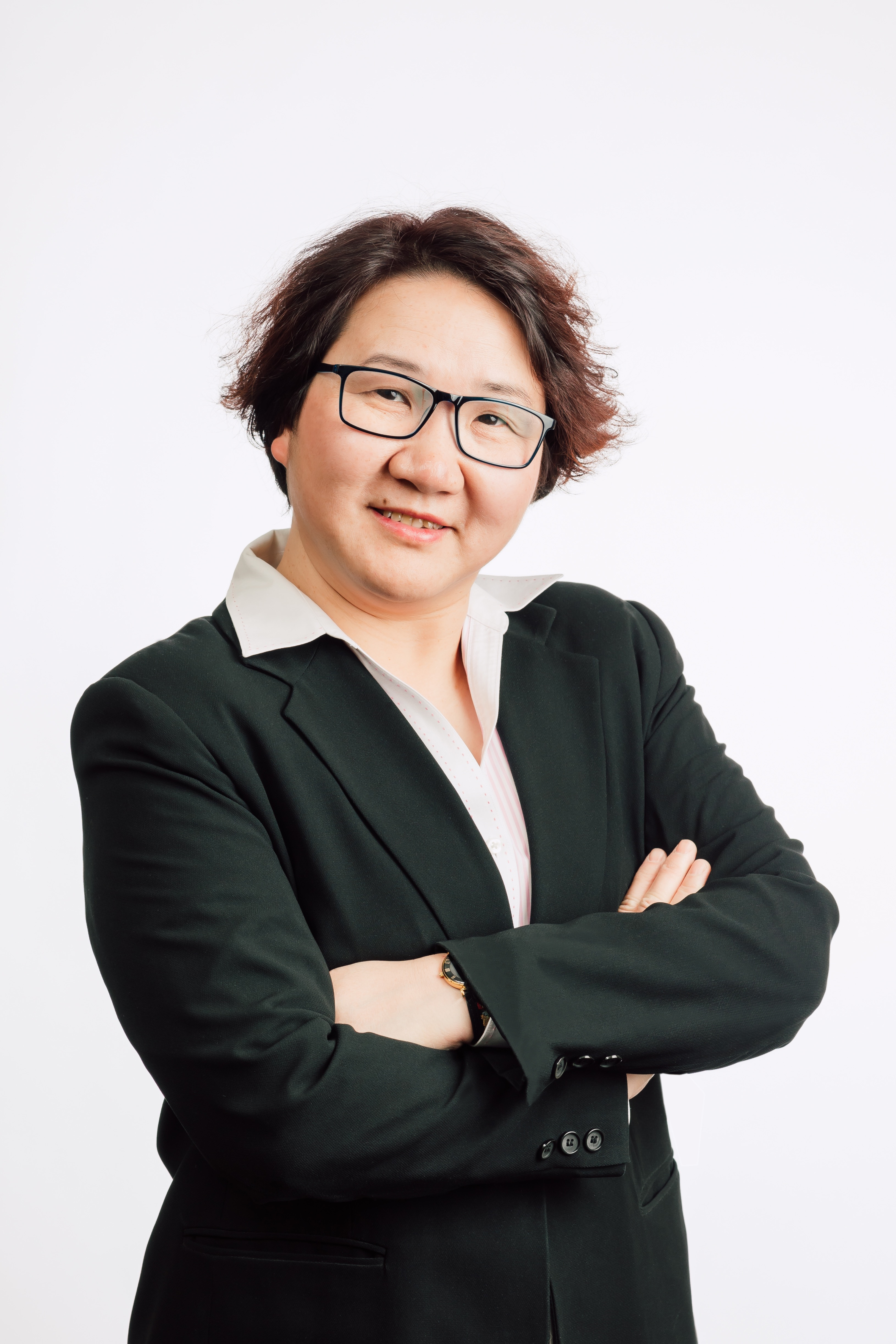
Interview with Alice Chan
Alice Chan, 2025.
And in 1999, at that moment, Hong Kong Academy of Performing Arts, has launched a full-time Cantonese opera academic program. So I grabbed my belongings, I sold my condo and bring my own money back to Hong Kong. And I get my program achieved and I got the advanced diploma for studying four years over there. And then time-fly back to 2003 and 2004 actually when I come back and join the Starlight.
Then I bring my own, new thought and also merging my marketing theory, the mindset, plus the academic learning of Chinese opera and Cantonese opera and this certain environment in Toronto. And the very, very original thought for myself to take the learning in Cantonese opera is also, in my mindset is, I [was] always very interested in getting more people to know about Cantonese opera. So, I am very interested in doing the cultural marketing promotion.
Alright, we will have a program you can join. Maybe a short term, but at the end of the program you have a mini-show or you have opportunities to perform. Maybe just one minute, two minutes, five minutes, things. And then, we have recruit[ed] our first 10 starlets. And the community is, WOW, with such nice kids and they have, you know, so little ones, so I call them starlets. 小豆丁Siu Dou Deng, that means they are bean sprouts. The meaning behind it is they are just a little bean, whether they can grow up, and, [with] watering, be bean sprouts, or be plants or be tree. We never know.
The mini-show is, the feature is, we would like to have a very close relationship between the audience and the performers. And the show must be within an hour. We will have bilingual subtitles on it. And the story must be easy understanding or a lot of attractions on it.
For me, even though I am also a performer, I'm more interested in sitting behind, as the director. But it's also the most tired positions behind it. Because you have to think about the financing, you have to think of sponsorship, you have to seek a lot of different things. And for the kids, when they grow up, sometimes they want to be on with the solo performances and then I have to think about some solo pieces which fit to them. Because I have 10 kids, or 12 kids, or 10 or 8 kids. They have all different characters. They have all different strengths or weaknesses. The annual show, they will say for them, is a recital. So I just want to show their talent.
I try to have the strategies, is like, have my students to teach the next generations, but still give us some hard moment here. We have to reposition or brainstorm another strategies. Some people will say, oh, the kids, they come in for a short period of time, they will go away eventually. I say, yes, they eventually will go away. Eventually, you have your own career. But one day, when they grow up, maybe they are lawyers, maybe they are healthcare professionals, or maybe they are just construction guys. But, when they come by, they might buy a ticket or they might want to just sit there and watch the Cantonese opera or Chinese opera, with their respect. Then, I will feel really, really deeply appreciate[iv]e of what I have done.